
Air India Scales Back Canada-India Flights Amid Rising Jet Fuel Expenses
Toronto-Delhi Route Sees Sharp Decline in Flight operations
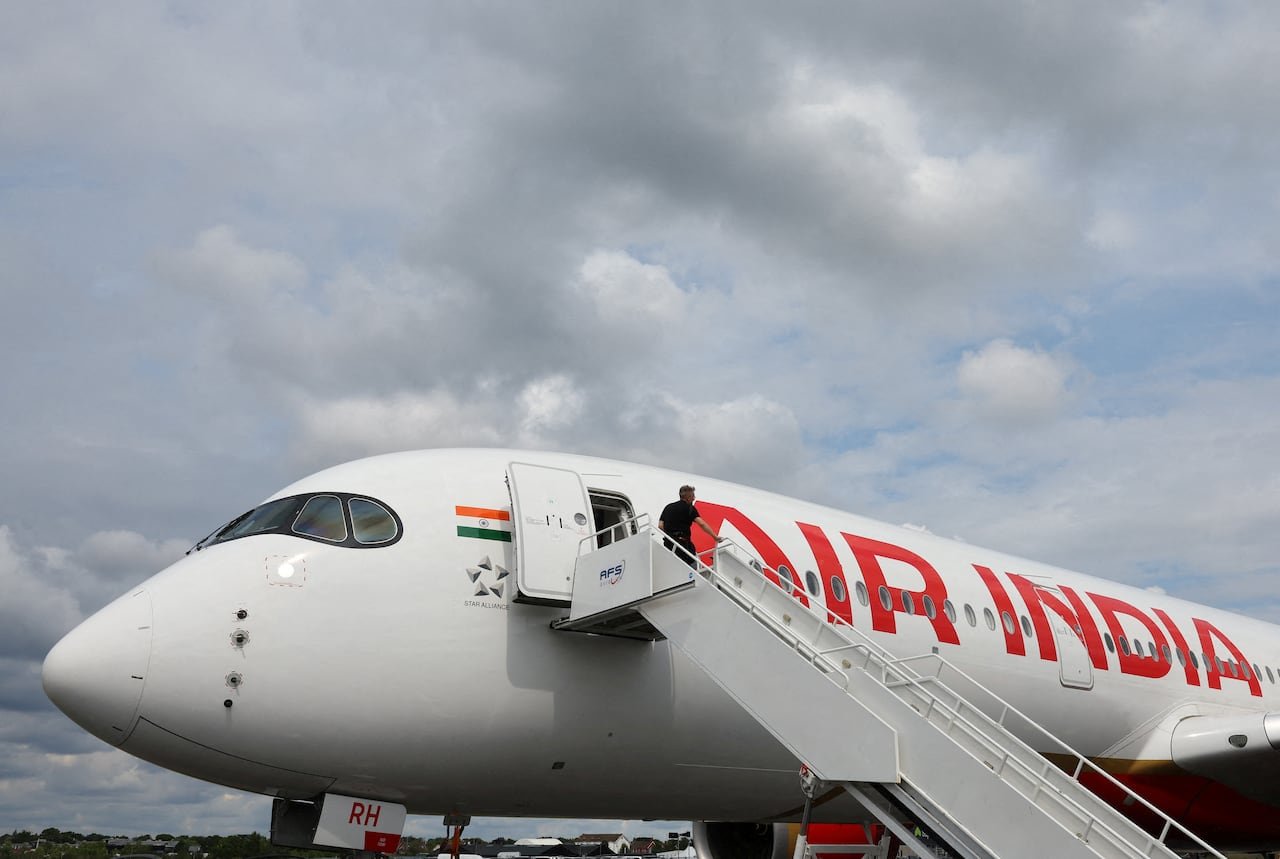
Air India has considerably curtailed its flight frequency between Toronto and Delhi, reducing round-trip services from 48 flights in March to just 31 by May-a decrease of nearly 35%, according to recent aviation data. This adjustment reflects the airline’s strategic response to soaring operational costs.
Escalating Fuel Prices Prompt Airline Network Revisions
The surge in jet fuel prices-nearly doubling compared to pre-conflict levels due to ongoing disruptions near the Strait of Hormuz-has compelled Air India and other carriers to reassess their international schedules. The airline’s leadership emphasized that rising fuel expenses combined with restricted airspace have made many long-haul routes financially challenging.
To mitigate thes increased costs, Air India has introduced higher ticket fares alongside additional fuel surcharges. However, these price hikes have led to a noticeable decline in passenger bookings as travelers weigh the growing expense of air travel.
Reduced Service on Vancouver-Delhi Flights and Impact on Canadian travelers
The Vancouver-Delhi connection has also been affected, with daily flights earlier this year dropping down to approximately five weekly trips. This reduction limits travel options for over 1.4 million Canadians of indian descent who frequently journey between the two nations for family visits and business engagements.
The average economy round-trip fare from Canada to Delhi climbed by 24% year-over-year as of april 2026, reaching $1,963-a rise that surpasses the general international airfare increase of about 11% during the same timeframe.
Responses from Other canadian Airlines Amid Cost Pressures
- Air Canada: Facing similar challenges due to elevated fuel prices exacerbated by geopolitical tensions involving Iran and Israel,Air Canada has discontinued several seasonal North American routes deemed unprofitable under current conditions.
- WestJet: The airline announced capacity cuts ranging from one percent in April up to nearly six percent by june through route consolidations aimed at enhancing operational efficiency amid rising expenses.
aviation Industry Grapples with Unprecedented Operational Costs
The inherently high fuel consumption required for transcontinental flights leaves airlines notably exposed when energy prices spike sharply. Globally, many carriers are responding by trimming flight schedules or increasing fares as they navigate a volatile market shaped largely by geopolitical conflicts disrupting oil supply chains worldwide.
Cultural and Economic Effects on Diaspora Travel Patterns
The Indian community constitutes one of Canada’s largest immigrant populations; thus changes in flight availability directly influence family reunions, business trips, and cultural exchanges across continents.With fewer flights available at steeper prices, both leisure travelers and those visiting relatives face more arduous decisions regarding trip timing or even feasibility.
Looking Forward: Anticipated Changes in Flight Schedules
The carrier is expected to continue adjusting its network through June and July as it adapts strategies amid persistent cost pressures. Passengers should prepare for continued variability in flight availability while closely monitoring fare trends before booking long-haul journeys between North America and South Asia.