Humanitarian Assistance and Political Strains Between Cuba and the United States
Cuba’s Perspective on US Humanitarian Support
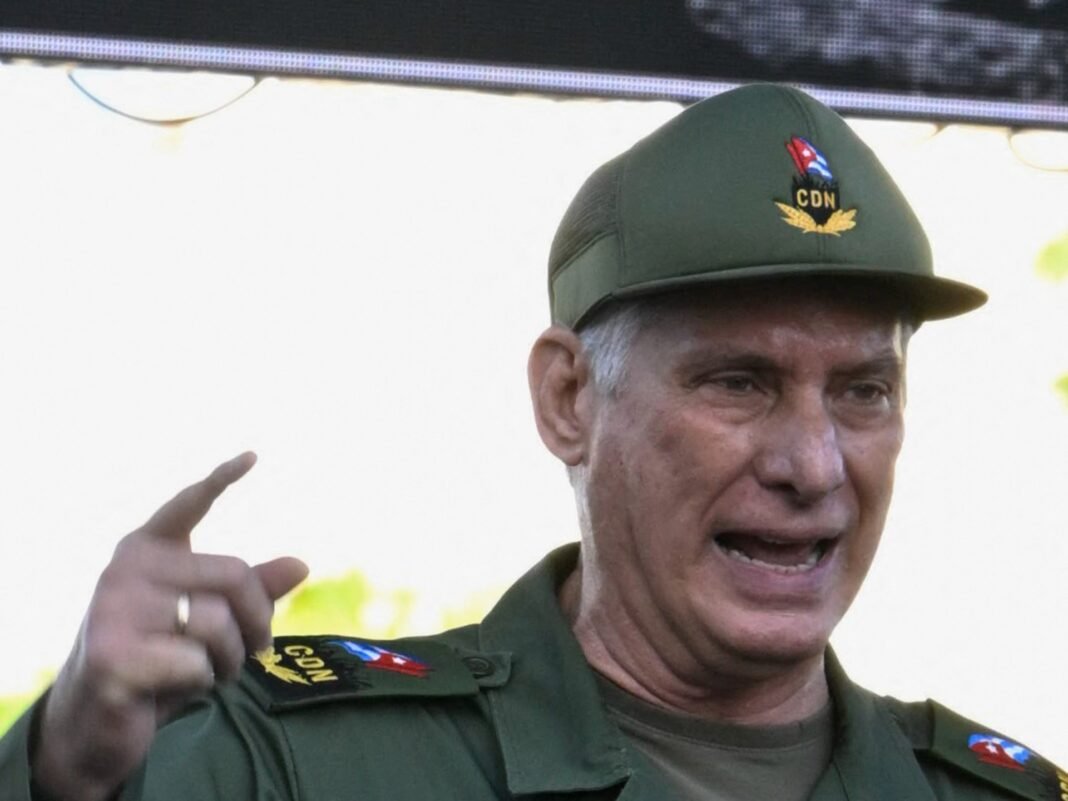
Cuban President Miguel Diaz-Canel has shown willingness to accept humanitarian aid from the United States,provided that such assistance complies fully with international norms. He stressed that if Washington’s true intention is to relieve the hardships endured by Cubans, a more effective solution woudl be to lift the decades-old trade embargo imposed on the island.
In a recent public statement, Diaz-Canel affirmed that Cuba would receive aid without opposition or hostility if it is delivered transparently and respectfully. However, he criticized US offers of help tied to demands for sweeping political reforms as unacceptable conditions.
The Consequences of US Sanctions on Cuba’s Ongoing Crisis
For over six decades, Cuba has been subjected to a comprehensive trade embargo enforced by it’s northern neighbor just 90 miles away. This blockade has drastically limited access to vital goods and resources throughout this period. The situation deteriorated further after President Donald Trump intensified sanctions during his second term starting in 2025 by cutting off Venezuelan fuel shipments destined for Cuba and threatening punitive tariffs against nations assisting Havana with oil imports.
these measures have triggered severe energy shortages nationwide, causing blackouts lasting up to 22 hours daily. Essential services such as hospitals have faced critical disruptions due to these power outages. According to Energy Minister Vicente de la O Levy, diesel and fuel oil reserves are now fully tired, deepening an already dire energy crisis.
Diaz-Canel highlighted urgent needs: “The priorities are clear-fuel supplies, food availability, and essential medicines.” He described these hardships as deliberately engineered policies aimed at intensifying suffering among Cuban citizens.
The Recent $100 million Aid Proposal From Washington
The US government recently reiterated its offer of $100 million in direct humanitarian assistance intended to alleviate difficulties faced by Cubans. This proposal comes with explicit requirements for significant reforms within Cuba’s communist-led government-a condition met with skepticism from Havana’s officials.
A spokesperson from the US Department of State emphasized that acceptance or refusal of this aid rests solely with Cuban authorities but cautioned they would bear responsibility if they block life-saving support amid this crisis.
Diplomatic Talks Amid Heightened Tensions
A delegation headed by CIA Director John Ratcliffe traveled to Havana for discussions focused on regional security cooperation alongside potential political shifts within Cuba’s leadership circle. Among attendees was Raul “Raulito” Rodriguez Castro-the grandson of former President Raul Castro-who is viewed as a possible future leader should changes occur at the top level.
Cuban representatives assured their visitors that despite accusations from Washington alleging threats against American national security interests, their country poses no such danger.
US Policy Modeled After Venezuela Intervention Efforts
The Trump management appears persistent to replicate its strategy used in Venezuela in hopes of prompting regime change in Havana.Previous military actions targeted Venezuelan President Nicolas Maduro; following an attempted removal effort, Maduro’s deputy Delcy Rodriguez assumed interim control while conceding several demands favorable to US interests-including oversight over fuel exports and expanded foreign investment opportunities.
This precedent raises uncertainty about potential outcomes should Diaz-Canel step down: questions remain regarding who might succeed him amid ongoing geopolitical maneuvering between Washington and Havana.
“The clearest path forward involves lifting or easing sanctions rather than conditional aid offers,” stated Cuban leadership representatives amid escalating crises impacting millions across the island nation.”