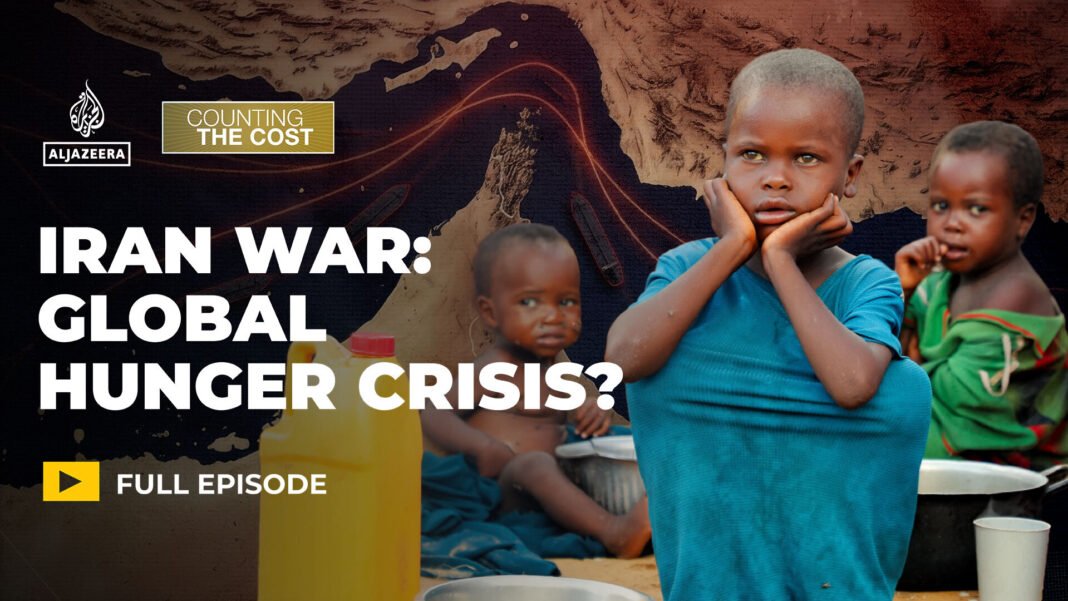
How Disruptions in the Strait of Hormuz Jeopardize Global Food Security
The Strait of Hormuz, a crucial maritime route for transporting fertilizers and other key commodities, stands at the center of a looming global food crisis. Potential blockades or interruptions in this narrow passage could severely hamper agricultural supply chains worldwide.
Fertilizer Supply Challenges and Agricultural Cost Increases
Fertilizers play an essential role in boosting crop yields, yet recent disruptions have caused their prices to soar dramatically.Over the past year, fertilizer costs have escalated by more than 40%, placing immense financial strain on farmers across continents. Should shipments through the Strait be delayed for several weeks or longer, agricultural productivity is likely to suffer significant setbacks.
Escalating Food Prices and Heightened Hunger Threats
The ripple effects of these supply interruptions are evident in soaring food prices-the highest recorded in three years-fueling concerns about worsening global hunger. Prolonged disturbances could push tens of millions more people into food insecurity, especially within nations heavily dependent on imports and already facing economic hardships.
Economic Vulnerability Among Import-Dependent Countries
Countries with fragile economies bear the brunt as they confront rising import costs coupled with increasing debt burdens.For instance, many small island developing states rely extensively on imported fertilizers; any sustained disruption risks sharp declines in their agricultural output and overall food availability.
Wider Implications of Maritime Route Instability
The geopolitical tensions surrounding Iran have heightened fears over shipping safety through this strategic waterway. Beyond immediate shortages,prolonged blockages threaten to unsettle global markets tied to agriculture and international trade logistics-potentially triggering far-reaching economic consequences.
“Even a few weeks’ disruption could spark widespread shortages impacting millions worldwide,” experts caution.