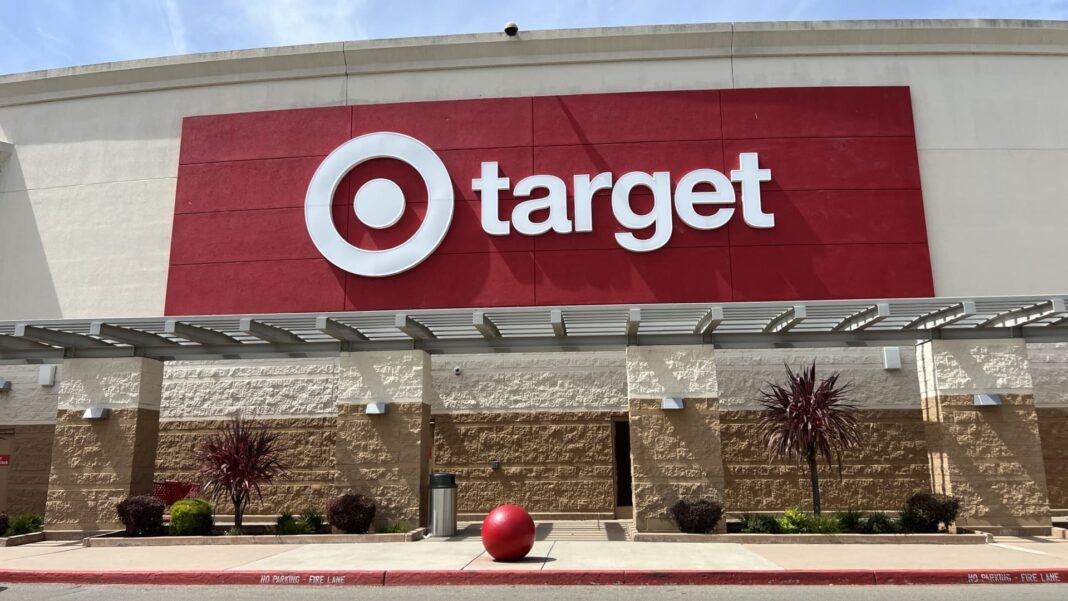
Target’s Strategic Evolution in Response to Consumer Market Shifts
Insights into Target’s Upcoming Fiscal Q1 Earnings report
As Target prepares to announce its fiscal frist-quarter results, the report is expected to shed light on shifting consumer trends under CEO Michael Fiddelke’s leadership. The retail giant is navigating persistent challenges,striving to halt declining sales and rebuild customer trust amid economic headwinds such as rising fuel expenses and broader financial uncertainty.
Market Expectations for Target’s Financial Performance
Analysts currently forecast the following for Target’s upcoming quarter:
- Earnings per share: near $1.46
- Total revenue: approximately $24.64 billion
Aiming for Steady Revenue Expansion Throughout the Year
The company has projected a 2% growth in net sales over the full fiscal year compared with last year, anticipating consistent quarterly revenue increases. This guidance reflects management’s belief in overcoming recent stagnation and regaining momentum.
Leadership overhaul Driving Operational Enhancements
This year, under Fiddelke’s direction, strong Febuary sales signaled early signs of recovery. A pivotal strategic move was appointing Jeff England-formerly with Walmart-as chief supply chain officer, emphasizing Target’s focus on optimizing logistics and inventory systems to boost efficiency.
Addressing Ongoing Sales Declines and reduced Store Traffic
Despite these initiatives, Target has faced several quarters of shrinking revenues coupled with diminished foot traffic across physical stores. Annual sales have largely plateaued over the past four years, highlighting persistent difficulties in capturing consumer spending within an evolving retail landscape.
The stock Market Viewpoint on Target’s Progression
The retailer’s stock price has fallen by more than 40% over five years but experienced a roughly 30% rebound so far this calendar year-reflecting investor ambivalence tied closely to turnaround efforts amid fluctuating economic conditions.
Capital Investments Poised to Accelerate Growth Trajectory
CFO Jim Lee revealed plans earlier this year for capital expenditures totaling about $5 billion-a rise exceeding $1 billion from last fiscal year-to fast-track change projects. These investments primarily target upgrading supply chain infrastructure and enhancing store environments alongside other key strategic priorities.
Navigating Consumer Spending Patterns Amid Inflationary Pressures
The current retail climate sees shoppers becoming increasingly cautious due partly to inflation-driven factors like gas prices recently averaging around $4 per gallon nationwide. Such pressures are curbing discretionary spending across categories including apparel and home goods where Target competes intensely.
An Industry Exmaple: Retailers innovating Customer Engagement Strategies
Lowe’s recent adoption of augmented reality features within their mobile app exemplifies how retailers are leveraging technology to enhance shopping experiences during uncertain times-a strategy that aligns with some of target’s own digital initiatives aimed at boosting convenience while fostering loyalty through personalized promotions.
“Swift adaptation combined with targeted investment remains essential for retailers like Target seeking not just survival but lasting growth amid changing consumer behaviors.”