Notable Explosion halts Blue Origin’s New Glenn Rocket Testing
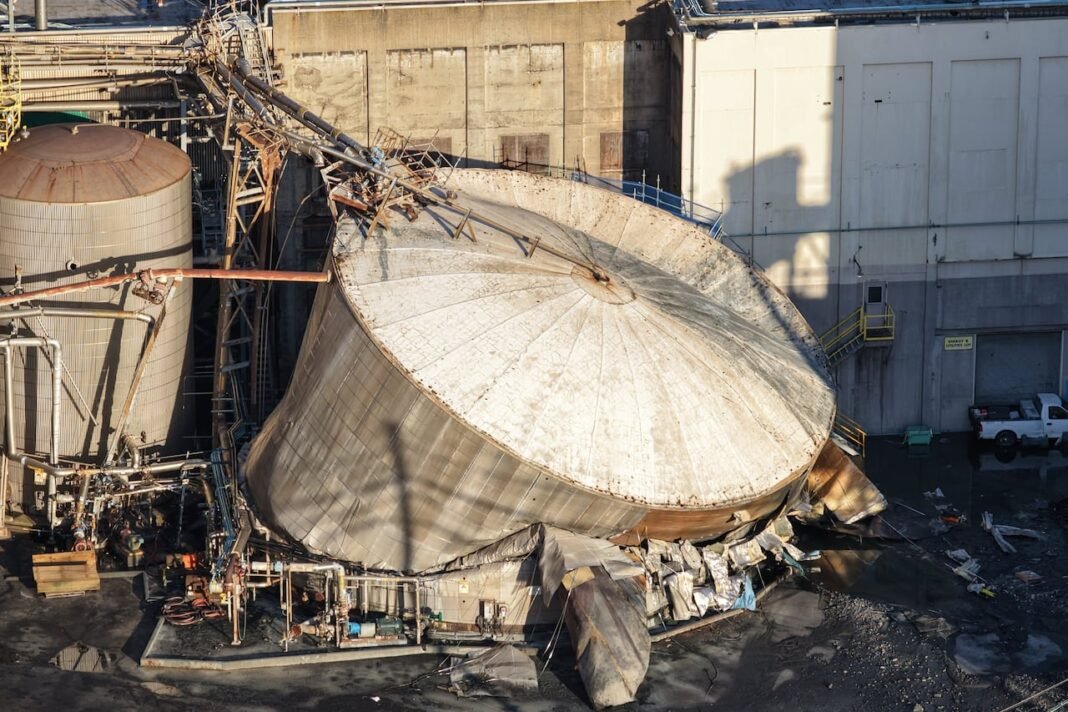
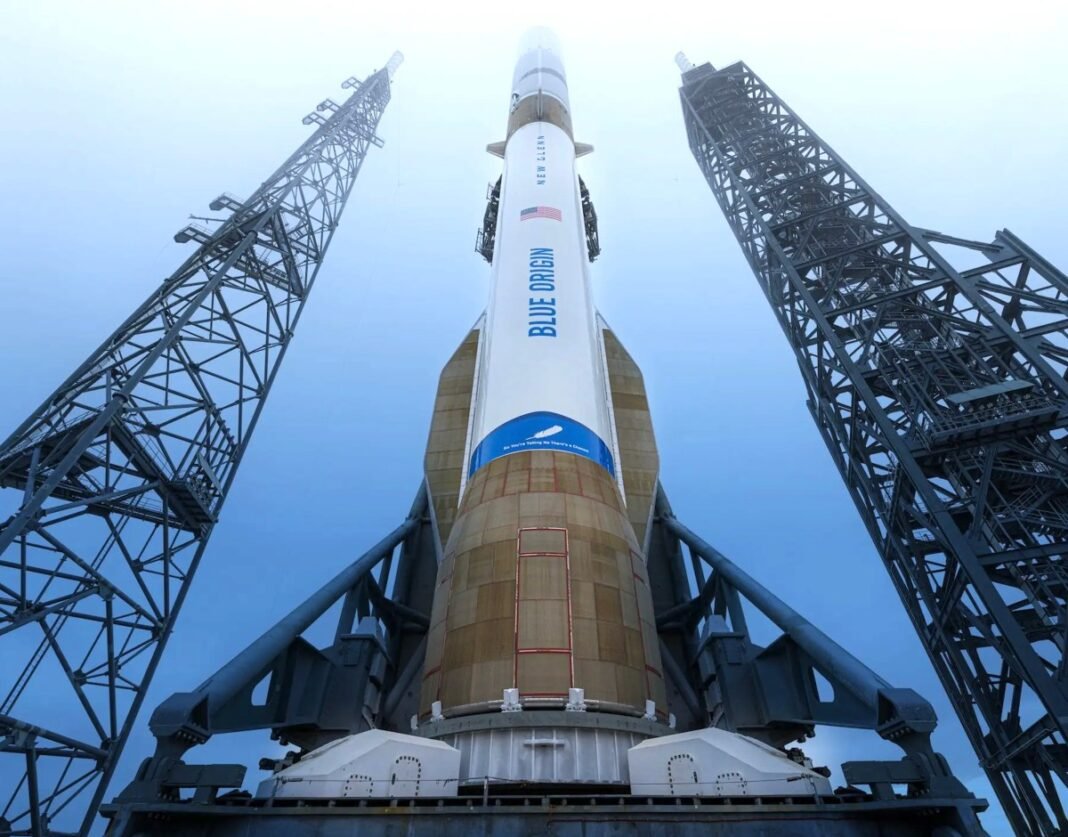
During a static fire test at Cape Canaveral, Florida, Blue Origin’s New Glenn rocket suffered a devastating explosion. the event was broadcast live and later confirmed by the company,marking one of the most severe rocket failures in recent U.S. aerospace history and representing the biggest challenge Blue Origin has encountered since its founding.
Incident Overview and Immediate Actions Taken
The test was part of preparations for New glenn’s anticipated fourth launch, intended to deploy Amazon’s Leo internet satellites into orbit. As the rocket was likely fully fueled during this static fire, the resulting blast caused significant destruction to testing infrastructure.
Blue Origin quickly assured that all personnel were unharmed following the explosion. Jeff Bezos stated that while it is premature to pinpoint the exact cause of the anomaly, investigations are already underway to diagnose and address it. He reaffirmed his commitment to rebuilding efforts and continuing with future launches despite this setback.
The Federal Aviation Administration (FAA) confirmed there were no disruptions to air traffic due to the incident. NASA leadership pledged cooperation with Blue Origin for a thorough investigation while evaluating any potential impacts on upcoming missions.
Consequences for Launch Timelines and Strategic Goals
This failure is expected to delay Blue Origin’s ambitious goal of completing up to 12 New Glenn launches within this year-a programme developed over nearly a decade aimed at competing directly with SpaceX’s Falcon series rockets.
Blue Origin also plays an essential role in NASA’s Artemis lunar exploration program by providing launch services for critical components supporting moon missions. NASA has committed to updating stakeholders on any effects this incident may have on Artemis or related lunar initiatives as more information becomes available.
National Security Payloads Under Pressure
Apart from commercial satellite deployments, New Glenn rockets were being prepared for national security payloads commissioned by the Department of Defence-highlighting how vital dependable launch capabilities are across both civilian and military sectors.
“rocket development is inherently complex,” remarked Elon Musk after learning about Blue Origin’s mishap, expressing optimism about their ability to recover swiftly from this challenge.
The Evolution of New Glenn: Milestones and Challenges
Blue Origin dedicated years developing its heavy-lift orbital vehicle alongside operating its smaller suborbital program called New Shepard-known for briefly carrying private passengers beyond Earth’s atmosphere as well as scientific experiments.
The inaugural flight of New Glenn took place in january 2025 after multiple delays compared with initial timelines.Although it successfully reached orbit during that mission, attempts at booster recovery failed when stage one exploded before landing on an ocean-based drone ship platform.
The second flight in November 2025 marked notable progress: not only did it deliver twin spacecraft destined for Mars under NASA contracts but also achieved successful booster recovery-a key milestone demonstrating reusability crucial for reducing launch costs over time.
This reusability was further proven during their third mission in April 2026 when they flew a previously recovered booster again; however, an upper-stage cryogenic system malfunction led to loss of an AST SpaceMobile satellite payload despite another flawless stage one landing attempt.
Aiming High: Amazon Leo Satellite Network Ambitions
The planned fourth mission was part of Amazon’s contract involving up to 24 launches using New Glenn rockets primarily designed for deploying their Leo constellation-a direct competitor against SpaceX Starlink aiming at global broadband coverage through low Earth orbit satellites.New Glenn is promoted as a reusable heavy-lift vehicle capable of efficiently supporting these large-scale deployments.
Community Response and Regional Impact
Cape Canaveral Congressman Mike Haridopolos expressed relief that no injuries occurred thanks to rapid response efforts from engineers and emergency teams present onsite during testing operations. He extended support toward Florida’s Space Coast community affected by incidents closely tied with regional economic activity centered around spaceflight industries-an area generating thousands of jobs annually worth billions in revenue nationwide.