Air Defense Challenges Facing Iraqi Kurdistan Amid Regional Turmoil
rising threats from Missiles and Drones in the 2026 U.S.-Israel-Iran Conflict
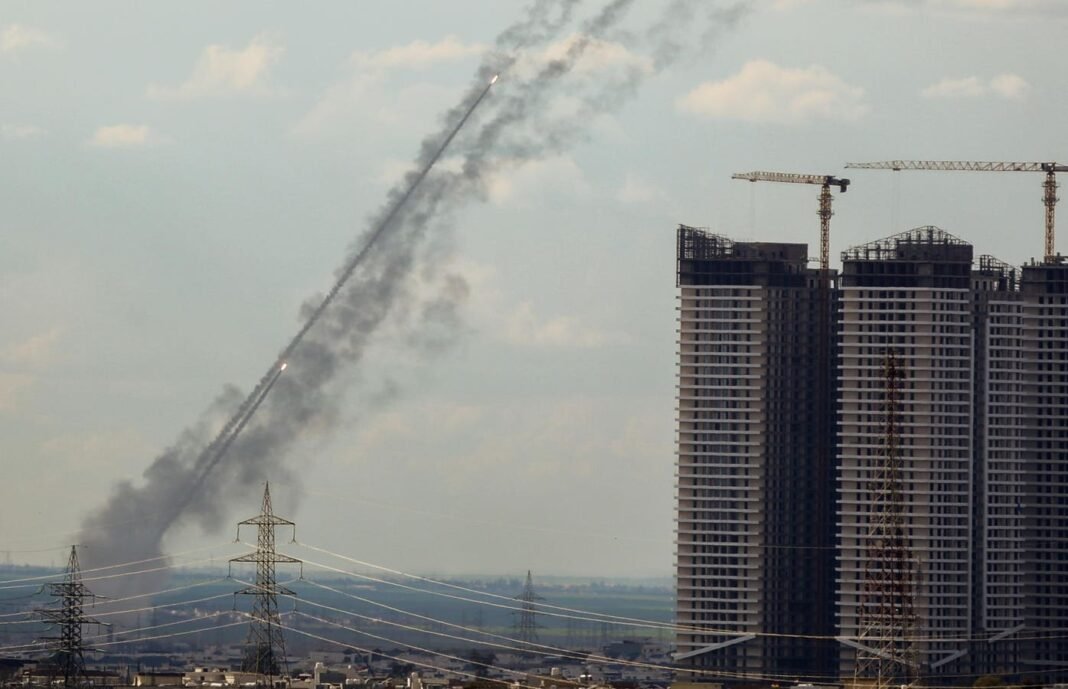
Throughout the fierce clashes between the U.S.-Israel alliance and Iran from February to April 2026, Iraqi Kurdistan endured an unprecedented wave of missile strikes and drone incursions. The region’s capital, Erbil, became a frequent target for Iranian-backed militias. Despite substantial air defense assistance provided by U.S. and British forces stationed at Erbil International Airport, vast areas under Kurdish control remained vulnerable due to a lack of indigenous air defense infrastructure.
Coalition Air Defense Efforts: Shielding Key Zones
The coalition deployed sophisticated systems such as American Raytheon Coyote drones alongside British Rapid Sentry units that successfully intercepted numerous UAV attacks during this period. The intermittent presence of the U.S. MIM-104 patriot missile batteries since 2020 also contributed significantly to countering ballistic missile threats aimed at critical installations within Erbil.
However, these protective measures were largely limited to coalition bases and did not extend thorough coverage across all Kurdish territories.
Civilian Impact and Infrastructure Damage
The Kurdistan Regional Government (KRG) documented over 850 combined drone and missile assaults by May 2026, with nearly half concentrated in Erbil province alone. These attacks caused at least 20 deaths among civilians and Peshmerga fighters while injuring more than 120 individuals. Meaningful destruction affected residential buildings, workplaces, vehicles, as well as essential energy infrastructure-underscoring how non-combatants suffered despite official neutrality during hostilities.
The Persistent gap: Absence of Local Air defense Systems
A glaring vulnerability throughout this conflict has been Iraqi Kurdistan’s lack of autonomous air defense capabilities capable of protecting its territory beyond coalition-secured zones. Kurdish Peshmerga forces currently do not possess adequate short- or medium-range systems necessary to defend against increasingly sophisticated Iranian drone swarms or rocket salvos targeting civilian hubs or vital energy assets like gas fields powering northern Iraq.
Political Obstacles Hindering Defensive Procurement
Kurdistan’s political status within Iraq restricts its ability to independently acquire advanced military hardware without Baghdad’s consent. This dependency has been exploited by pro-Iranian factions within Iraq’s central government who have reportedly blocked efforts for Kurds to obtain even cost-effective counter-drone technologies such as Coyote interceptors-systems widely regarded by experts as practical solutions for regional self-defense needs.
The implications of Potential Coalition Troop Withdrawal
the planned exit of remaining U.S.-led anti-ISIS forces from Erbil by September 2026 raises serious concerns about increased exposure moving forward. Although advisory support for Peshmerga operations was temporarily suspended amid heightened threats earlier this year, there are intentions to resume assistance once conditions stabilize; however, existing agreements are nearing expiration without clear renewal prospects.
If foreign military presence diminishes substantially or ends without local replacements or cooperation with Baghdad-which remains uncertain-Iraqi Kurdistan could face escalated risks from Iranian proxy attacks via drones or missiles despite ongoing ceasefire attempts that have already seen violations after April 8th.
Iraq’s Broader Air Defense Strategy Excluding Kurdish Regions
Iraq is advancing layered air defense capabilities through recent deals with South Korea for Cheongung-II medium-range missile batteries and Turkey for Korkut short-range anti-aircraft guns designed primarily to protect federal provinces’ critical sites-explicitly excluding coverage commitments toward Erbil or other KRG-controlled areas.
This selective deployment reflects internal political dynamics were Baghdad prioritizes national security assets while limiting empowerment that might strengthen autonomous regions politically opposed to tehran-aligned interests embedded within Iraq’s government structures.
Energy Infrastructure Under Fire: The Case study of Khor Mor Gas Field
Kurdish-led projects like runaki have significantly enhanced electricity availability across Iraqi Kurdistan by reducing dependence on diesel generators through expanded natural gas utilization sourced mainly from fields such as Khor Mor near kirkuk borders-a site repeatedly targeted by militia rocket fire disrupting power supply chains affecting millions both inside Kurdish territories and neighboring federal provinces reliant on electricity generated there.
“After a major attack last November cut off approximately eighty percent of regional power,” an investigative panel recommended establishing integrated point-defense systems around Khor Mor coordinated jointly between Baghdad authorities and Erbil officials-a proposal yet unrealized amid persistent political tensions.”
pantsir-S1 Deployment: An Overlooked Strategic Option?
An earlier proposal suggested deploying Russian-made Pantsir-S1 surface-to-air missile platforms owned by Iraq near vulnerable energy facilities; though no concrete action followed despite clear strategic advantages potentially securing shared economic interests if implemented collaboratively rather than competitively between federal authorities and Kurds alike.
Toward Enhanced Security: Practical Steps Forward for Kurdish Air Defenses
- Affordable Counter-Drone Solutions: Technologies like Raytheon Coyote interceptors provide feasible localized protection against UAV swarms threatening urban centers or sensitive infrastructure without requiring costly ballistic missile defenses unavailable under current constraints;
- Bilateral Security cooperation: Renewed negotiations focused on extending advisory roles coupled with joint training programs could improve Peshmerga operational readiness while building trust essential for future equipment transfers;
- Diplomatic Engagement With Baghdad: Advocating cooperative frameworks emphasizing mutual benefits-such as safeguarding shared energy resources-to overcome political deadlocks obstructing arms acquisitions;
Navigating Complex Realities: Securing Iraqi Kurdistan’s Skies Amid Geopolitical Constraints
Iraqi Kurdistan faces an urgent need for effective air defenses amidst evolving regional conflicts involving Iran-backed militias indiscriminately targeting civilian populations.
While international partners currently provide limited protection around select locations,
long-term resilience demands overcoming entrenched legal-political barriers restricting access-and deployment-of suitable defensive systems tailored specifically toward emerging asymmetric aerial threats confronting this strategically vital region into late 2026 and beyond.