Warner bros. Discovery to Split into Two Independent Public Companies by 2026
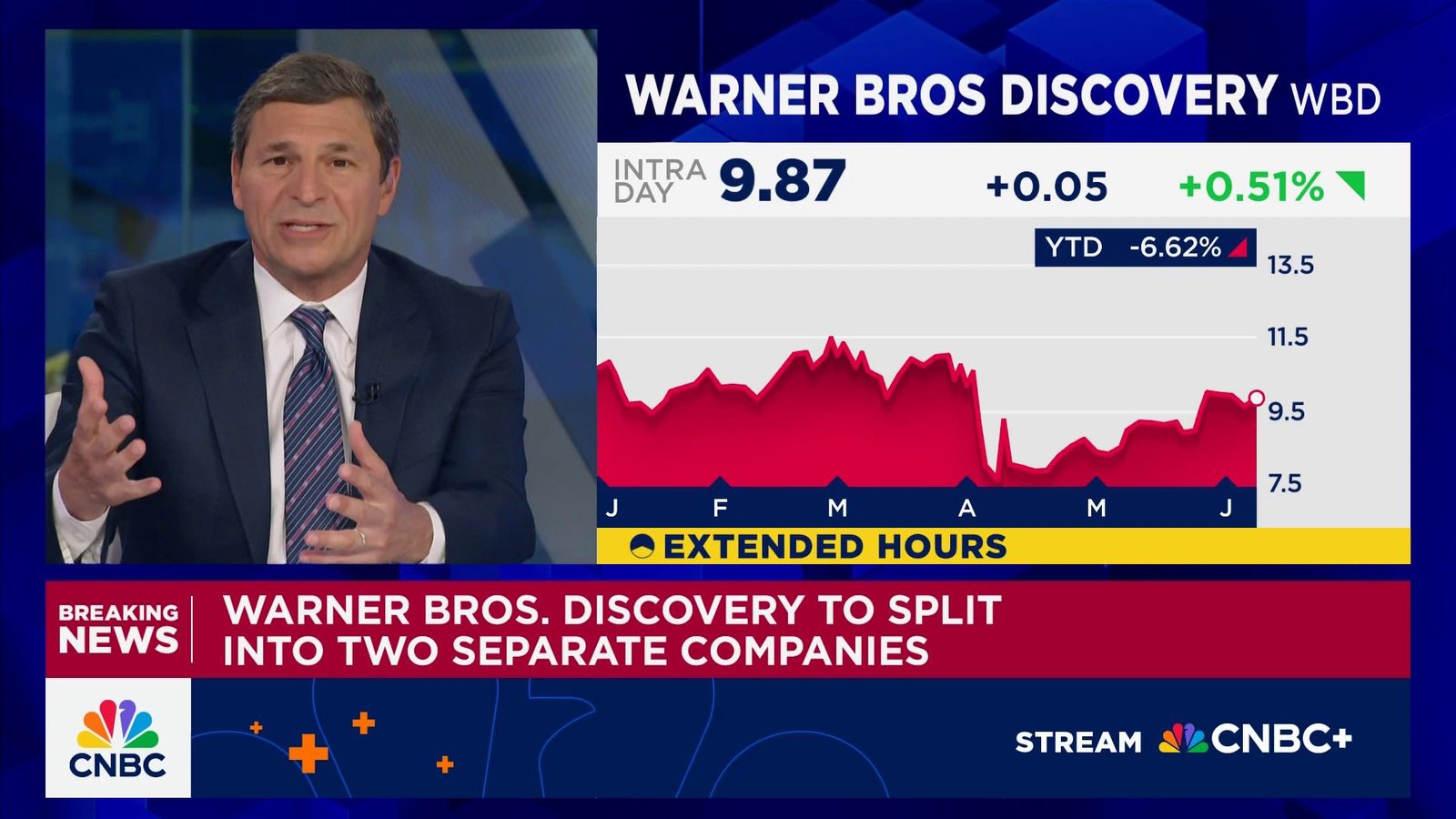
Restructuring Strategy: Separating Streaming and Studios from Global Networks
Warner Bros. Discovery (WBD) has announced a major corporate restructuring that will result in the creation of two distinct publicly traded companies by mid-2026. This strategic move is designed to better align with the ongoing transformation of the media industry, wich is rapidly shifting from traditional cable television toward streaming services.
The division will establish one company dedicated to streaming platforms and studio operations, including Warner’s film assets and HBO Max, while a second entity will oversee global networks such as CNN, TNT Sports, and Discovery’s extensive channel lineup.
David Zaslav is set to remain CEO of the streaming and studios business, whereas Gunnar Wiedenfels-currently WBD’s CFO-will take on leadership as CEO of the global networks company. This separation aims to grant each organization greater operational focus tailored specifically for their respective markets amid evolving consumer behaviors.
The Decline of Traditional Pay-TV and Industry Realignment
This decision mirrors trends seen across major media conglomerates like Comcast, which is also disentangling its legacy cable assets from digital ventures. For example, Comcast plans to spin off its cable network holdings-including CNBC-into a new public entity called Versant while maintaining control over Peacock and broadcast operations.
Following its 2022 merger between warner Media and Discovery Networks, WBD now controls one of the largest collections of cable channels worldwide with brands such as CNN, TBS, TLC, HGTV among others consolidated under one roof.
The shift reflects broader market realities: Nielsen data indicates that U.S. pay-TV penetration fell below 60% in early 2024-a steep decline from over 80% just ten years ago-as consumers increasingly cut cords in favor of on-demand content consumption via mobile devices or smart TVs.
Financial Challenges Driving Cable Network Divestitures
- WBD recorded a importent $9.1 billion impairment charge related to its TV networks segment recently due to declining subscriber numbers impacting asset valuations;
- Despite revenue pressures facing linear TV globally-including advertising declines-the cash flow generated remains robust largely because live sports broadcasts continue attracting large audiences unmatched by most streaming platforms;
- This steady free cash flow historically helped fund investments in HBO Max’s expanding content library but has yet to deliver profitability at scale for direct-to-consumer services;
Navigating Market Disruption Through Corporate Separation
Zaslav characterizes this era as a “generational disruption” within media industries driven by consumers’ growing preference for personalized on-demand viewing rather than bundled cable packages.
The spin-off structure provides both companies with enhanced flexibility: they can independently pursue mergers or acquisitions without being hindered by regulatory complexities or cross-business entanglements typical within large conglomerates-a critical advantage given rapid shifts worldwide including Asia-Pacific’s booming OTT market projected to exceed $50 billion annual revenue growth through 2030.
Debt Profile Post-Division
- The combined entity has aggressively reduced debt since merging but still carries nearly $34 billion net debt after repaying about $19 billion recently;
- S&P Global Ratings downgraded WBD’s credit rating last month citing ongoing revenue challenges within legacy TV segments;
- The majority share of this debt load will remain with the global networks business after separation while streaming & studios will assume a smaller yet meaningful portion;
Outlook for both New Entities
- The global networks division expects strong free cash flow generation enabling further deleveraging efforts;
- The streaming & studios unit plans renewed emphasis on premium content quality over sheer volume following HBO Max’s rebranding earlier this year;< li >While sports programming holds less sway over direct-to-consumer platforms it continues driving substantial value within linear offerings .
“Operating independently empowers thes iconic brands with sharper focus and strategic agility essential in today’s fast-evolving media landscape,” stated zaslav regarding Warner Bros. Discovery’s transformative step forward.”
A Fresh Phase Amid rapid Media Evolution
< p >As audiences increasingly demand customized viewing experiences accessible anytime across multiple devices , leading media firms must adapt swiftly .The planned bifurcation equips both new companies financially , operationally ,and strategically – positioning them competitively against pure-play streamers like Netflix , Disney+ , Amazon Prime Video along with emerging regional OTT providers worldwide.
< p >This realignment highlights how legacy conglomerates are recalibrating portfolios – shedding non-core assets while doubling down on high-growth sectors -to thrive amid an era defined not only by technological innovation but also shifting consumer expectations .