in-Depth Analysis of the Hockey Canada Sexual Assault Trial
Trial Overview and Central Issues
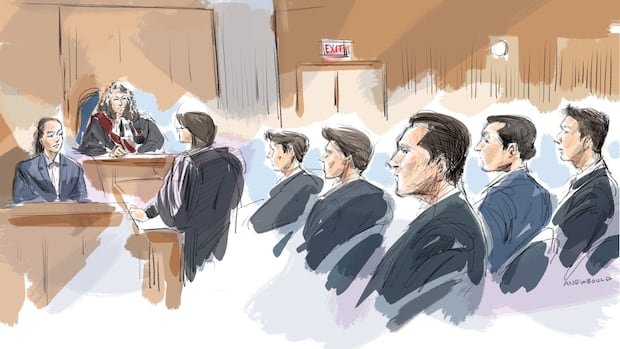
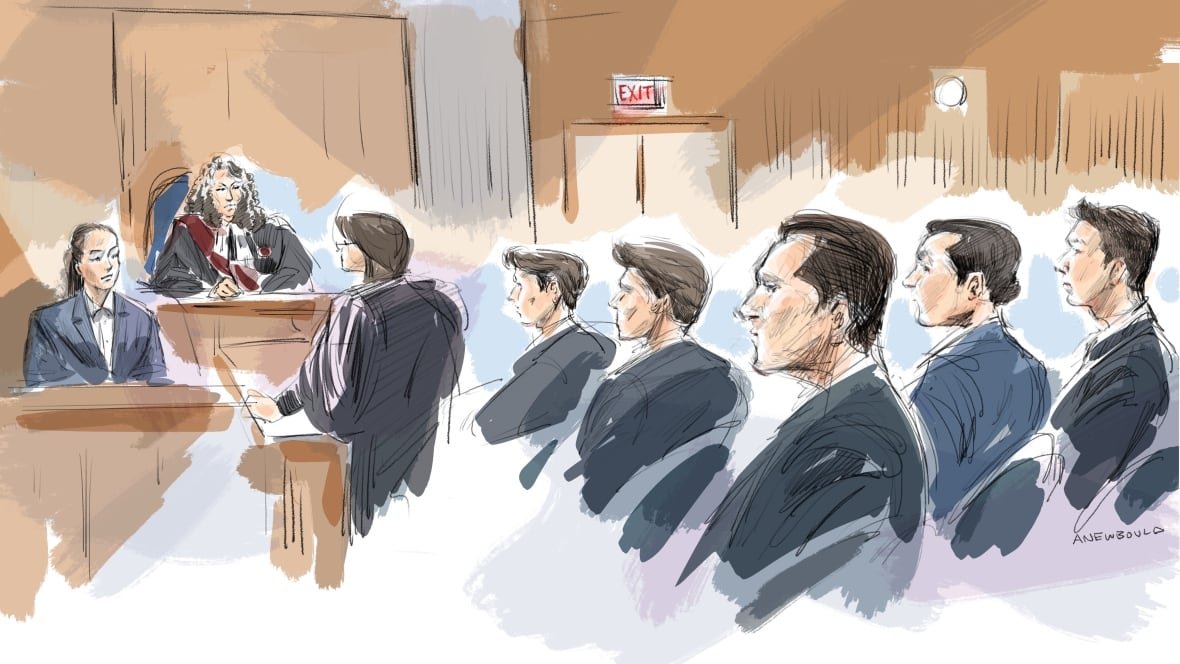
The high-profile sexual assault case involving five former Hockey Canada world junior players, which began in late April, recently concluded its courtroom proceedings in London, Ontario.The prosecution argued that the complainant, known as E.M., did not provide valid consent during the alleged events that took place in June 2018. Over a span of nine days, E.M. delivered detailed testimony describing her experience.
On the other hand,defense teams questioned both the reliability of E.M.’s memory and her credibility as a witness. The court is set to resume on July 24 when Justice Maria Carroccia will announce her verdicts.
- The accused-Michael McLeod, Carter Hart, Alex Formenton, Dillon Dubé, and Cal Foote-have all pleaded not guilty to sexual assault charges; additionally, McLeod faces an extra charge related to being party to an offense.
Defense Arguments: Challenging Consent and Evidence
During closing arguments after nearly two months of trial:
- Cal Foote’s attorney, Julianna greenspan, emphasized basing judgments solely on concrete evidence rather than assumptions or stereotypes about sexual assault victims. She pointed out there was no credible indication from teammates or prior complaints suggesting any inappropriate behavior by Foote.
- Dillon Dubé’s counsel, Lisa Carnelos contended that actions described as slapping were intended playfully without harm and noted no contradiction from the Crown regarding E.M.’s consent for such contact. Carnelos also clarified misunderstandings related to French conversations held during the night and corrected inaccuracies about age differences between involved parties.
- Carter Hart’s defense lawyer, Riaz Sayani argued that observed masturbation at events does not directly prove consent for other acts but could be considered circumstantial evidence indicating possible agreement.He further explained video footage showing E.M.’s upset state after leaving a hotel was more connected with interpersonal conflict than trauma from alleged assaults.
- Alex Formenton’s legal representative, Hilary Dudding criticized prosecutorial reliance on stereotypical assumptions implying women must appear passive or fearful victims to be credible complainants. She stressed fluctuating behavior throughout an evening is normal and should not automatically suggest non-consent without clear proof.
- An additional defense attorney warned against circular reasoning where trauma is presumed upfront than repeatedly used to explain inconsistencies within testimony absent independent corroboration.
Courtroom Atmosphere: Judge’s Observations & Procedural Matters
As proceedings concluded just before 5 p.m., justice Maria Carroccia expressed appreciation for all legal teams’ professionalism amid this complex case marked by technical challenges and sensitive subject matter. She confirmed rulings would be issued on July 24 following thorough deliberation outside court hours.
A final procedural issue arose concerning potential adjustments to existing no-contact orders restricting communication among defendants or witnesses; however lawyers agreed these matters would be handled through correspondence rather than courtroom discussion at this stage.
The Role of Objective Scrutiny Amid Intense Media Focus
This trial has drawn important public attention with extensive media coverage analyzing every detail over two months-a reflection of broader societal debates around accountability within sports organizations like Hockey Canada amid global efforts addressing sexual violence prevention.
“In cases involving allegations such as these,” experts note based on recent North American trends,
“it remains essential courts concentrate exclusively on admissible facts presented under strict standards rather than conjecture influenced by cultural myths.”
Evolving consent Laws & Societal Context (2024 Perspective)
Laws defining valid consent have undergone considerable changes since 2018 when these incidents allegedly occurred; current Canadian data reveals roughly one-third of reported sexual assaults involve acquaintances met through social environments such as sports teams or gatherings.
The challenge in interpreting behaviors like silence versus explicit agreement continues complicating judicial processes worldwide.
This highlights why courts uphold presumption of innocence until proven beyond reasonable doubt-a fundamental principle reiterated throughout this trial’s defenses.
Accessing Support During Difficult Legal Proceedings
The sensitive nature surrounding trials addressing sexual misconduct means some readers may find content distressing; numerous support services are available nationwide offering confidential assistance tailored specifically toward survivors’ needs.
If you are facing immediate danger or require urgent protection for yourself or others please contact emergency services promptly by dialing 911. Additionally,enduring community-based crisis lines provide crucial emotional support accessible anytime across affected regions today.
Ahead: Anticipated Verdicts and Broader Implications
In upcoming weeks Justice Maria Carroccia will meticulously review extensive testimonies alongside evidentiary materials before delivering decisions expected mid-summer 2025.
This outcome holds considerable importance-not only legally but culturally-as society continues confronting accountability frameworks within elite sports settings where power imbalances often hinder effective reporting of abuse allegations.
The verdict will likely shape future policies aimed at protecting athletes’ welfare while balancing fair treatment rights guaranteed under Canadian law principles including those explicitly referenced here using SEO keywords like “sexual assault”.