Apple Withdraws ICEBlock App Following Governmental Pressure
The Controversy Surrounding ICEBlock
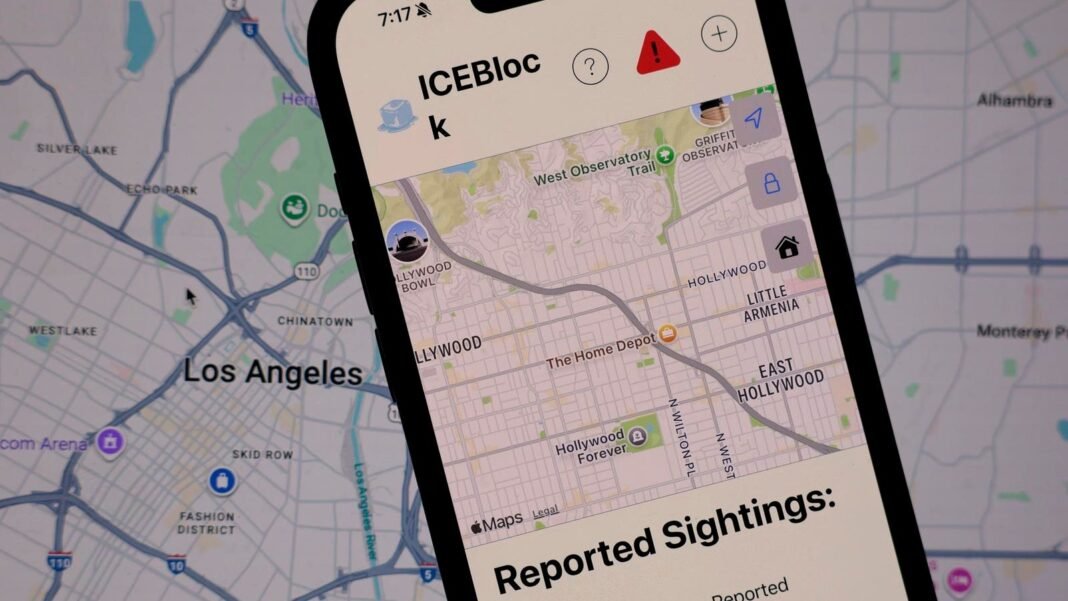
Apple has recently taken down the ICEBlock app from its iOS App store after pressure from federal authorities. This application allowed users to crowdsource and share live locations of Immigration and customs Enforcement (ICE) agents in their vicinity, igniting intense debates about privacy rights and public safety.
Functionality Behind ICEBlock
ICEBlock served as an anonymous reporting tool where individuals could quickly notify others about nearby ICE officers with just a few taps on their mobile devices.These alerts were than broadcasted to users within a 5-mile radius, providing real-time updates on enforcement activity. Modeled after community-driven navigation apps like Waze, which rely on user input for traffic conditions, ICEBlock prioritized user anonymity by avoiding the collection of personal data that could identify reporters.
The developer stated that at its height, more than 1.1 million people had engaged with or downloaded the app, reflecting widespread interest in tracking immigration enforcement efforts.
User Adoption Trends and Download Figures
According to recent analytics from sensor Tower, nearly 90,000 downloads occurred through Apple’s iOS platform during the month preceding its removal. This surge illustrates growing reliance on crowd-sourced applications for community-based notifications related to law enforcement activities nationwide.
Government Intervention and Apple’s Response
The app’s removal came after Attorney General Pam Bondi urged federal officials to request Apple’s action against it. Bondi voiced concerns stating “ICEBlock is designed to put ICE agents at risk simply for performing their duties,” underscoring that any threats or violence toward law enforcement cross unacceptable lines.
Apple defended its decision by citing communications from law enforcement agencies warning about potential dangers linked with apps like ICEBlock.The company confirmed it removed this along with other similar applications due to these safety concerns.
A Recurring Theme in Apple’s Content moderation?
This case mirrors earlier instances where Apple has pulled contentious crowd-sourced apps under governmental influence. Such as, during protests in Hong Kong in 2019, apple removed HKmap.live-a platform used by demonstrators to track police movements-after facing criticism from Chinese state media accusing it of facilitating unlawful acts against authorities.
“We have learned that an app… has been used in ways that endanger law enforcement and residents,” said Apple regarding HKmap.live’s removal at the time.
This move sparked bipartisan criticism within U.S political circles; legislators across party lines expressed worries over censorship driven by foreign governments impacting freedom of expression via digital platforms.
Navigating privacy Concerns Versus Security Needs
the debate around tools like ICEBlock highlights complex tensions between protecting individual privacy rights and ensuring public security. Advocates argue these platforms empower communities by increasing transparency around government actions affecting vulnerable groups; meanwhile critics caution they might unintentionally jeopardize officers’ safety or escalate conflicts during sensitive encounters.
Modern-Day Parallels: Protest Alert Applications Worldwide
A contemporary example can be found in various global protest movements where smartphone apps assist participants navigating safely amid police presence-as an example during recent demonstrations across Chile or South africa-demonstrating how technology continues transforming civic participation while raising ethical questions regarding regulation and oversight.
Final Thoughts: Balancing Innovation With Law Enforcement Transparency
The withdrawal of ICEBlock highlights ongoing challenges faced by technology companies balancing government demands against user freedoms on digital platforms. as mobile alert systems become increasingly integral amid evolving social dynamics surrounding immigration policies and policing worldwide-with millions relying daily-the dialogue around responsible innovation remains essential for all parties involved moving forward.