senate Republicans Stall Immigration Bill Amid Deep GOP Divisions
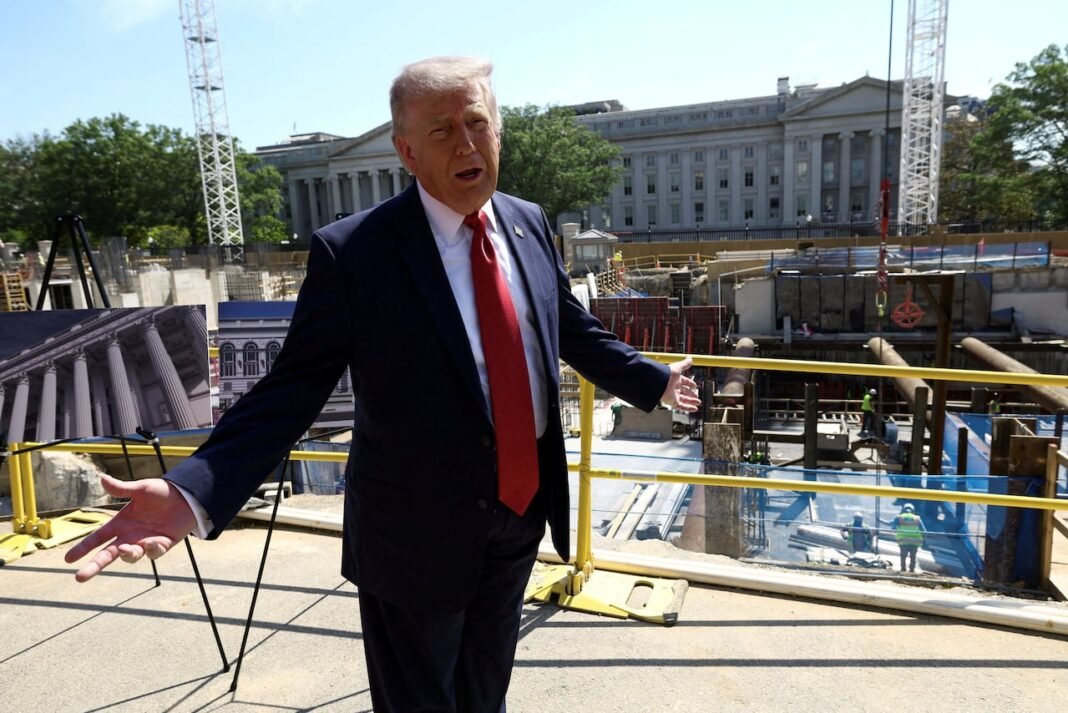
In a dramatic turn of events on Capitol hill,Senate Republicans abruptly exited the chamber without voting on a pivotal immigration enforcement bill,igniting widespread political upheaval. The legislation was controversial due to its inclusion of disputed funding requests from the Trump administration, such as extensive renovations to the White House ballroom and a newly proposed settlement fund benefiting allies of former president Trump.
Contentious $70 Billion Immigration Enforcement Proposal Sparks GOP discord
The $70 billion immigration enforcement package quickly became a source of intense disagreement among Republican senators. Initially, lawmakers removed a $1 billion allocation intended for security upgrades at the White House ballroom after internal backlash. Yet tensions escalated when an additional $1.7 billion settlement fund introduced by the Justice Department came under fire.
This settlement fund is designed to compensate individuals aligned with Trump who claim they faced political persecution related to incidents like the January 6 Capitol breach. Critics argue that taxpayer dollars could inadvertently support those accused of violent acts against law enforcement during that event.
Republican Leadership Delays Vote Following Heated Negotiations
After strenuous discussions involving Acting Attorney General Todd Blanche, Republican leaders announced postponement of any vote on the immigration bill until after the Memorial day recess in early June. Senator Mitch McConnell from Kentucky condemned the settlement provision as “utterly foolish” and “morally indefensible,” questioning why federal funds would be directed toward people accused of assaulting police officers.
Other GOP members shared similar sentiments; North Carolina’s Thom Tillis described it as “stupid on stilts.” Additionally, some Republicans voiced discomfort over President Trump’s recent endorsement of Texas Attorney General Ken Paxton-who faces corruption allegations-in his primary runoff against Senator John Cornyn.
White House Ballroom Renovation Funding Draws Sharp GOP Criticism
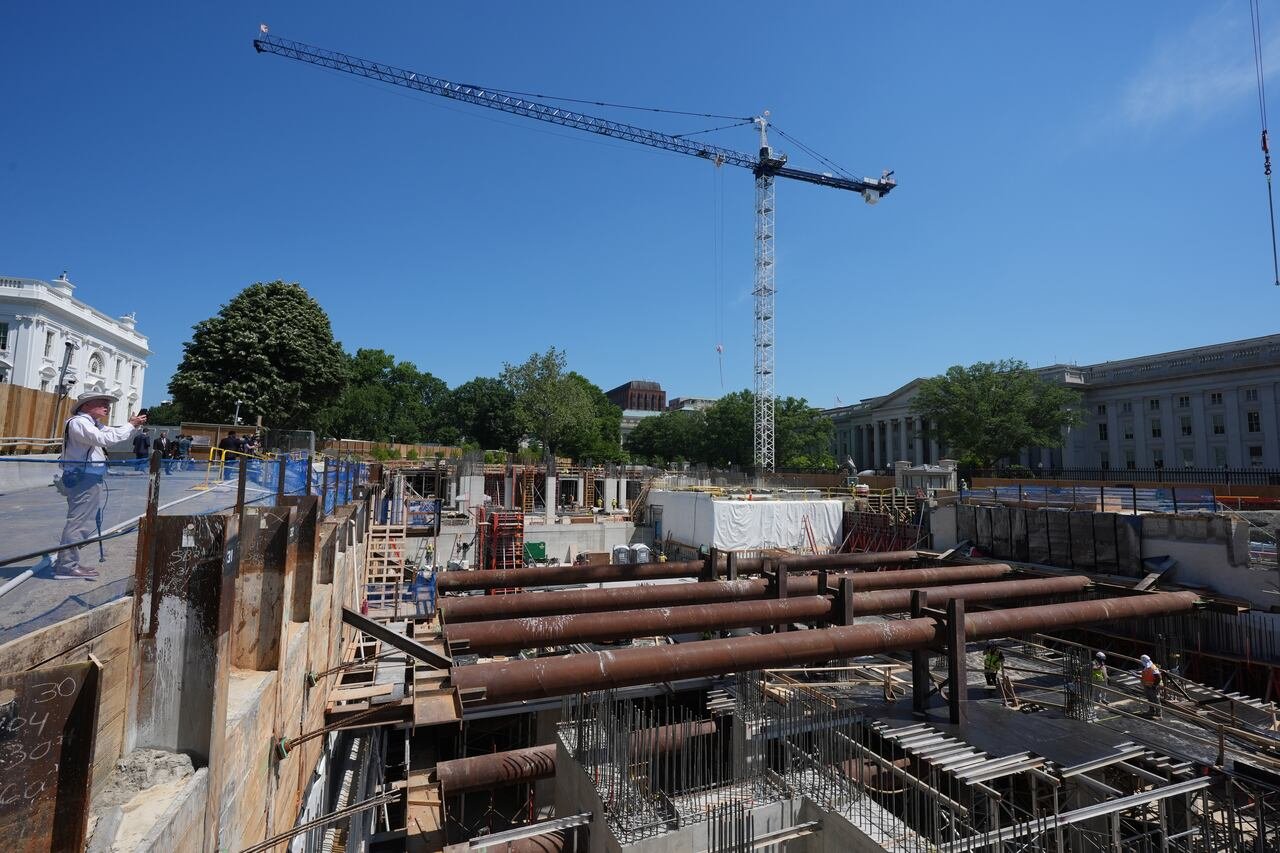
The budget proposal included roughly $220 million earmarked for security improvements at the White House ballroom-a move that sparked strong opposition within Republican ranks. Senator Bill Cassidy from Louisiana pointed out glaring deficiencies in planning documentation, noting an absence of architectural blueprints or environmental impact assessments accompanying thes funding requests.
House Republicans Postpone Iran War Powers Vote Amid Strategic Calculations
The U.S. House encountered legislative deadlock when majority Republicans delayed votes on a war powers resolution aimed at restricting President Trump’s military actions against Iran. Although previous attempts resulted in tied votes, shifting opinions among lawmakers had recently increased momentum behind this measure.
Democratic Representative Gregory Meeks criticized these delays as political maneuvering intended to avoid what seemed like an inevitable defeat for Republicans. Meanwhile, Maine Democrat Jared Golden reversed his earlier stance and pledged support for limiting presidential war powers this time around.
Bipartisan Frustration Grows Over Prolonged Military engagements
The ongoing conflict near strategic waterways such as the Strait of Hormuz has disrupted global supply chains and contributed substantially to rising fuel prices domestically-factors fueling public weariness toward continued overseas military involvement. Representative Adam Smith highlighted growing bipartisan acknowledgment about how extended wars harm American interests while noting increasing dissent within Republican ranks themselves.
The Legal Framework: Understanding The 60-Day War Powers Limit
The War Powers Resolution requires presidents either obtain congressional approval or formally declare war within 60 days after initiating hostilities without explicit authorization-a deadline many argue has already passed concerning current operations involving Iran.
“We are well past 60 days now; Congress must assert its constitutional role,” stated Pennsylvania Republican Brian Fitzpatrick who supports renewed debate on this issue.
The White house maintains that ongoing ceasefire negotiations temporarily suspend these requirements; though reports suggest former President Trump was close to ordering fresh strikes before diplomatic interventions by Gulf allies prevented escalation.
Bipartisan Concerns Mount Over Controversial ‘Anti-Weaponization Fund’
A especially divisive aspect fueling intra-party conflict is what critics have dubbed Donald Trump’s “$1.8 billion Anti-Weaponization Fund.” This initiative ostensibly aims to assist Americans alleging domestic political persecution linked directly or indirectly with legal battles surrounding his administration-but questions about clarity and potential misuse have intensified amid heightened scrutiny over government spending nationwide.
“why should billions be allocated toward compensating individuals accused of undermining law enforcement?” multiple senators across party lines questioned during recent hearings.
A Renewed Battle Awaits After Memorial Day Break
Following their return from recess in early June, lawmakers are expected to reignite debates over these contentious issues-the future direction of immigration funding remains tightly intertwined with broader concerns about executive authority limits amid escalating geopolitical tensions involving Iran.
this unfolding scenario highlights persistent challenges facing U.S policymakers striving to balance national security priorities while managing deepening divisions within their own parties ahead of critical midterm elections later this year.