Escalating Oil Prices Triggered by Rising Tensions Over Iran’s Nuclear Strategy
How Iran’s Uranium Policy influences Global Energy Dynamics
Oil markets reacted strongly after announcements that Iran will retain its enriched uranium within national borders, rejecting any export plans. This move is anticipated to further strain diplomatic efforts aimed at resolving nuclear disputes with the United States and complicate international negotiations.
Sharp Increase in Crude Oil values Amid Geopolitical Strains
By late morning Eastern Time, U.S. crude futures surged nearly 4.5%, surpassing $102 per barrel, while Brent crude climbed over 3%, reaching approximately $109 per barrel. Thes price jumps reflect mounting fears of supply interruptions tied to escalating regional conflicts.
The Strategic Implications of Retaining Enriched Uranium
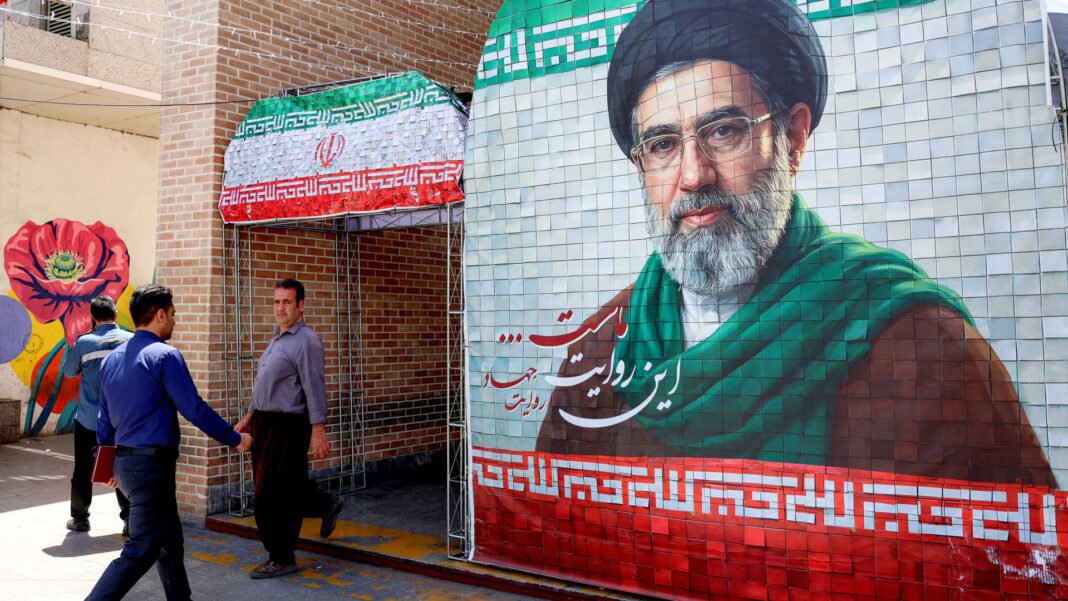
Senior Iranian authorities have confirmed that Supreme Leader Ayatollah Mojtaba Khamenei has ordered all enriched uranium to remain inside the country. This directive challenges ongoing diplomatic attempts to limit Tehran’s nuclear capabilities and signals a firm stance amid shifting power balances in the Middle East.
The U.S. Stance: Balancing Diplomacy and Military Readiness
The current U.S. administration continues prioritizing the dismantlement of Iran’s nuclear program as a cornerstone of its Middle East policy. Recently, planned airstrikes against Iranian targets were postponed following consultations with Gulf allies advocating for extended diplomatic engagement.
Despite a tenuous ceasefire established last month, comprehensive agreements remain out of reach. The President emphasized that military action remains on the table should Tehran fail to provide “fully satisfactory” responses during talks but expressed willingness to delay conflict in hopes of peaceful resolution.
“We are prepared for all scenarios,” stated the President at Joint Base Andrews regarding potential military operations against Iran.
“If waiting a few more days can prevent war and save lives, it is indeed unquestionably worth it.”
The Strait of Hormuz: A Critical Chokepoint Under Threat
The Strait of Hormuz-a vital artery for global oil shipments-is currently facing notable disruptions due to an Iranian-imposed blockade, endangering one of the world’s most crucial energy transit routes during peak demand periods linked with summer travel worldwide.
Cautions from Global Energy watchdogs
The International Energy agency (IEA) has warned that prolonged restrictions through this maritime corridor could deplete global oil reserves into what they term a “red zone.” IEA Executive Director Fatih Birol highlighted concerns about tightening supplies coinciding with increased fuel consumption across North America and Europe during high-travel seasons.
A Contemporary Example: The 2024 Suez Canal Blockage’s Ripple Effects on Oil Supply Chains
This year’s six-day blockage in the Suez Canal offers insight into how critical chokepoints impact energy logistics worldwide. The incident delayed numerous shipments-including crude oil-triggering temporary price surges reminiscent yet less severe than those now emerging around Hormuz tensions.
- Suez Canal Disruption: Six days’ congestion caused widespread delays affecting global supply chains;
- Straight of Hormuz Risks: Ongoing blockades threaten sustained shortages impacting millions reliant on steady fuel access;
- Evolving Geopolitical Challenges: Both events highlight vulnerabilities inherent in narrow maritime passages essential for international trade;
- Pursuit of alternative Routes: Nations increasingly invest in pipelines and renewable energy projects aiming to reduce dependence on vulnerable sea lanes;
- Mediterranean Corridor Developments: Some countries accelerate infrastructure connecting Mediterranean ports via rail or pipeline networks as strategic alternatives bypassing customary chokepoints like Hormuz;
Navigating Future Volatility: Oil Markets Amid Political Uncertainty
The intersection between Iran’s nuclear ambitions and control over key shipping lanes continues driving upward pressure on global oil prices. Market watchers must stay vigilant regarding diplomatic progress while preparing for heightened volatility fueled by geopolitical risks threatening critical supply chains needed to satisfy growing consumer demand throughout 2024 and beyond.