Decoding the Marketing Phenomenon surrounding the 2026 FIFA World Cup
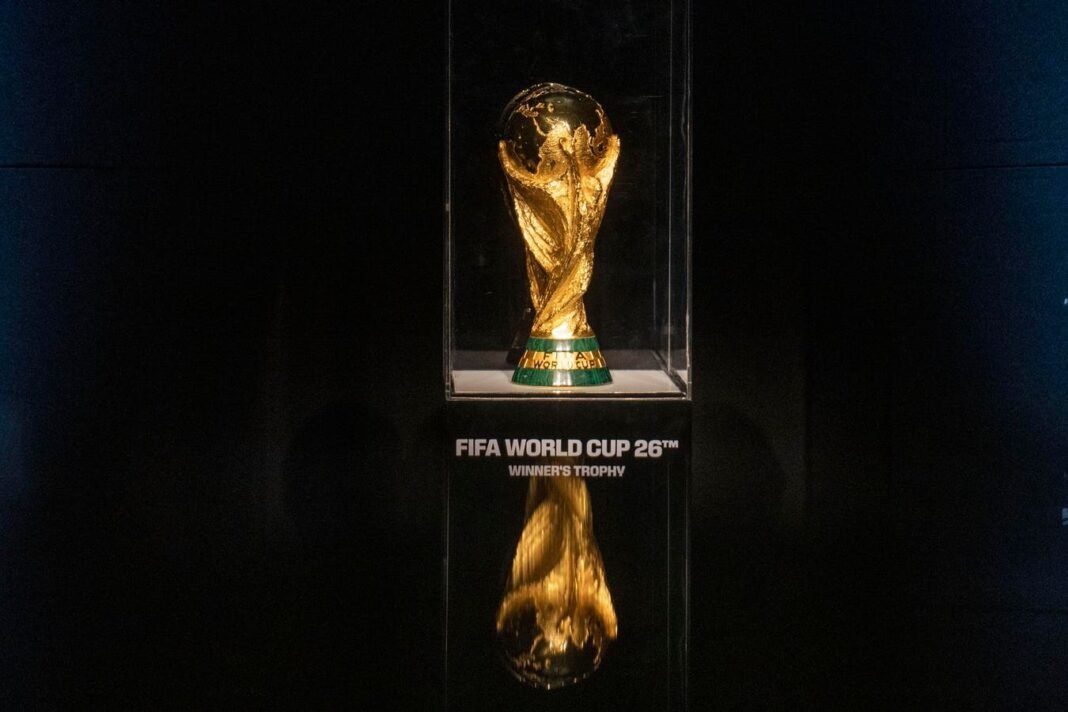
The 2026 FIFA World Cup,set to take place across the United States,Canada,and Mexico,is poised to become a landmark event not only in sports history but also in global marketing dynamics. Featuring 48 competing nations, 104 thrilling matches, and 16 vibrant host cities, this tournament is projected to engage nearly 6 billion viewers worldwide-approximately 73% of the global population. The economic impact is immense: analysts estimate a total global economic output exceeding $80 billion, wiht over $30 billion generated within the U.S.alone and around $3.4 billion contributing directly to domestic tax revenues.
A Transformative Shift in fan Interaction: Harnessing data for Engagement
Recent research indicates that more than 40% of adults globally plan to follow this World Cup closely. The audience skews younger with higher disposable incomes and tends toward male dominance in many regions. In certain markets, up to 80% of fans report increased positive perceptions toward sponsors during the tournament-a clear indicator that brand trustworthiness, relevance, and purchase intent receive meaningful boosts during these months.
“This event serves as a cultural nexus uniting sport, music, travel experiences, and personal identity,” industry analysts observe when examining fan engagement trends. Brands that have aligned early with these evolving dynamics are already witnessing substantial returns well before kickoff.
Although geopolitical tensions-such as concerns surrounding U.S.-Iran relations-may dampen international travel enthusiasm for some host cities on match days, consumer-facing campaigns remain largely resilient despite fluctuations in stadium attendance figures. Brands focusing on grocery aisles or digital platforms continue their momentum without interruption.
Beverage Industry’s Fierce Competition on Soccer’s Grandest Stage
The beverage sector stands out as one of the most aggressively contested categories throughout this World Cup cycle:
- Anheuser-Busch InBev’s Michelob Ultra: As the Official Beer Sponsor for FIFA World Cup 2026, Michelob Ultra has unveiled an innovative MVP trophy crafted by Victor Solomon-the same artist behind NBA’s Larry O’Brien Trophy-to honor top players after each match based on fan voting. Their expansive campaign titled “The Superior Match” features soccer legends like Lionel Messi alongside Hollywood actor Billy Bob Thornton while activating fan hubs known as Pitchside Clubs across host cities nationwide.
- Miller Lite: At retail level, Miller lite captivates shoppers with its oversized limited-edition “Miller Time MVP Matchball,” which doubles as beer packaging priced at $19.75-a nod referencing Miller Lite’s founding year (1975). This tangible product innovation aims squarely at halting consumers mid-aisle through memorable experiential marketing moments branded “miller Time is on U.S.”
- Celsius Energy Drink: Targeting Gen Z consumers who hold roughly one-fifth share of America’s energy drink market via its “Live.Fit.Goal.” campaign featuring stars like Weston McKennie alongside DJ Diplo-this marks Celsius’ most aggressive push into soccer-related activations including sampling events at nine U.S.-based matches despite lacking official FIFA sponsorship rights.
- Buchanan’s Scotch Whisky: Embracing Latino heritage through collaborations with reggaeton artist Rauw alejandro plus exclusive bottle collections aimed specifically at premium spirits consumers within Hispanic communities across North America.
- Taittinger Champagne: Serving as official champagne partner by offering limited-edition bottles symbolizing how deeply soccer has permeated luxury lifestyle sectors worldwide.
- Coca-Cola & Powerade:
- Coca-Cola continues its longstanding partnership since 1974 by launching emotionally charged campaigns such as “Bubbling Up” featuring artists J Balvin and Travis Barker along with collectible sticker promotions driving tens of millions scans from previous tournaments;
- Powerade targets athletes’ readiness mindset through its multi-year platform “Power your Fate,” aiming to close market share gaps against dominant competitor Gatorade (which holds nearly 59% versus Powerade’s approximately 18%).
The Influence of Non-Official Sponsors Making Waves Off-Field
- Modelo Especial:The leading beer brand by dollar sales in america invests heavily without official rights-sponsoring all Spanish-language pre-game broadcasts on Telemundo while running culturally resonant campaigns spotlighting Mexican players such as Edson Álvarez & Raúl Jiménez;
- BUD Light & Pepsi:BUD Light launched cinematic storytelling ads starring Erling Haaland emphasizing emotional release moments intrinsic to football culture; meanwhile Pepsi leverages social media-driven fan banter led by David Beckham focusing entirely on organic engagement rather than costly sponsorship fees;
- Heineken Fan Volunteers Initiative:A pioneering program encouraging employees nationwide to use Volunteer Time Off benefits creatively so fans can watch games during work hours while giving back locally-highlighting how brands innovate beyond traditional advertising formats amid shifting workplace cultures.
The Snack Industry Scores Big With Game-Day Experiences Comparable To Mini Super Bowls
This edition arguably represents North America’s most extensive food-and-beverage activation ever witnessed around soccer or any major sporting event-with brands treating every single matchday like an individual prospect rather than concentrating efforts solely around finals or marquee games alone.
- Lays Chips – Official Snack Partner: Lays’ groundbreaking No Lays No Game-campaign integrates celebrity WhatsApp groups boasting over four million members-including Messi & David Beckham-with surprise supermarket stunts inviting shoppers carrying Lays products into exclusive viewing parties creating immersive retail experiences far beyond typical commercials;
- Mondelēz International Chips Ahoy!: Tapping into Gen Z via limited-time flavors such as dulce de leche plus sweepstakes tied directly into player partnerships exemplifies how snack companies leverage short-term offers driving immediate sales spikes while supporting secondary display builds;
- Ferrero North America – Largest Ever Marketing Investment ($100 Million): This massive commitment includes Tom Brady-fronted promotions encouraging consumers who buy two Ferrero products (nutella/Kinder Bueno/Tic tac) access chances at winning $1 million prizes-turning cross-brand purchases into loyalty-building mechanisms spanning multiple categories;
Navigating What Consumers Should Anticipate Amidst This Unprecedented Campaign Surge
If you’re shopping soon-or managing retail operations-you’ll notice an unparalleled intensity behind every product placement connected directly or indirectly to this global tournament experience.
These aren’t mere advertisements but sophisticated omnichannel ecosystems meticulously designed-from stadium excitement down through smartphone notifications right onto store shelves everywhere you shop.
Examples include:
- – Lay’s WhatsApp community alone represents one of largest direct-to-consumer engagements ever created around sport.
– Verizon utilizes personalized video calls from legendary players aiming not just for impressions but lasting emotional connections.
– Even unexpected categories like baby care join festivities; Huggies encourages parents-to-be timing pregnancies so parental leave coincides perfectly with June matches (“do it for the team”).
This transformative impact echoes back decades ago when hosting duties first came stateside in ’94-but today’s marketing machinery operates orders-of-magnitude smarter using data-driven personalization combined seamlessly with cultural fluency unmatched before.
From Michelob Ultra’s interactive MVP trophies capturing real-time votes; Modelo dominating Spanish-language broadcasts without paying official fees; Coca-Cola gamifying label interactions generating tens-of-millions scans last time around;
Celsius energizing youth culture via music-sport fusion;
Ferrero betting big financially leveraging superstar endorsements;
Nike revolutionizing apparel technology-all demonstrate how brands aim not simply for visibility but genuine participation from consumers themselves-not passive spectators anymore.
A Defining Cultural moment Beyond Traditional promotions: Cultivating Enduring Consumer Connections
Savvy retailers understand that treating this tournament purely as another promotional spike will yield modest gains-but embracing it fully as a cultural milestone promises deeper customer loyalty extending well past final whistles blown come July will reap far greater rewards moving forward.