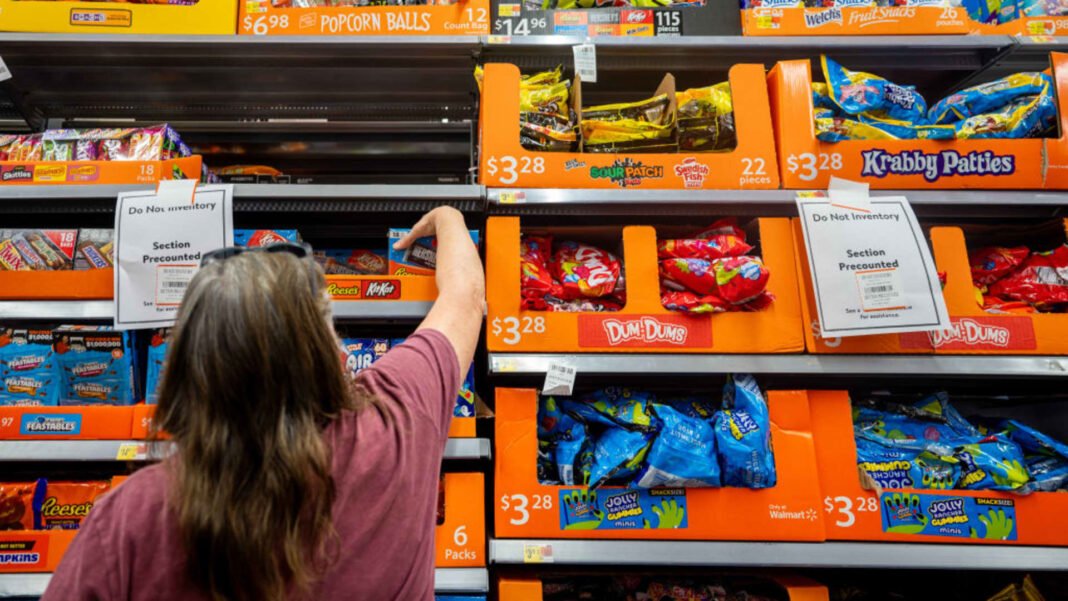
How rising Expenses Are Transforming Halloween Candy Trends in 2025
Inflation’s Role in Driving Up Chocolate Costs
This Halloween season, the biggest challenge isn’t ghosts or ghouls but the escalating price of chocolate. Beloved treats such as Snickers, Reese’s, and Twix are becoming noticeably more expensive due to a mix of inflationary forces, tariffs, and surging cocoa prices. These combined pressures are tightening profit margins for manufacturers while stretching consumer budgets, possibly leading to fewer chocolate bars handed out during trick-or-treating.
In fact, over the last five years, chocolate prices have climbed by nearly 80%, with an almost 30% jump since last Halloween alone. Such as, a 100-piece variety candy bag now costs approximately $18.50 compared to just $8 in 2020-highlighting ongoing economic challenges impacting confectionery pricing nationwide.
Supply Chain Disruptions Fuel Price increases
The sharp rise in chocolate costs is closely linked to persistent disruptions within global cocoa supply chains. West Africa-which produces about 70% of the world’s cocoa-has experienced extreme weather events including droughts and erratic rainfall patterns over recent years. These adverse conditions have triggered the moast severe global cocoa shortage seen in over sixty years,with demand exceeding supply by nearly half a million metric tons.
Cocoa futures soared past $13,000 per ton late last year before stabilizing near $7,000 recently; though this remains more than double pre-pandemic levels. Beyond raw material expenses, manufacturers face rising labor costs, increased transportation fuel surcharges, tariffs surpassing $170 million annually for some companies like Hershey’s-and widespread inflation affecting overheads across production facilities.
The Shift Toward Non-Chocolate Confections
As chocolates become less affordable amid stagnant wages and economic uncertainty for many consumers, alternative candies are gaining popularity during Halloween festivities. Recent data reveals that while chocolate sales volume declined roughly 6% despite price hikes nearing 15%, non-chocolate sweets such as gummies and sour candies saw growth exceeding 9%.
Younger demographics-especially Gen Z-are fueling demand for inventive flavor profiles and chewy textures predominantly found outside traditional chocolate offerings. This shift reflects a broader consumer appetite for novel taste experiences rather than classic indulgences alone.
Innovative approaches from Candy Manufacturers
- Candy brands are broadening their product lines beyond conventional chocolates by launching new gummy varieties featuring whimsical shapes or collaborations with popular influencers.
- Smaller-sized bars incorporating unique fillings or completely cocoa-free options using nut-based creams help offset ingredient cost increases while appealing to budget-conscious buyers seeking value without sacrificing flavor.
- Companies emphasize “experiential” candy flavors combining sweet heat or tangy bursts designed to captivate adventurous palates-a trend amplified through social media platforms like TikTok encouraging shareable snack moments among teens online.
The Economic Landscape Surrounding Halloween Candy Sales
Despite challenges from rising input costs and shifting consumer preferences away from traditional chocolates-which accounted for about half of all Halloween candy sales last year-the overall market remains strong. industry projections estimate Americans will spend close to $4 billion on Halloween candy this season alone-a record high demonstrating continued enthusiasm for seasonal treats even amid tighter household budgets nationwide.
“Even with higher food prices,” consumers continue prioritizing confectionery purchases,” noted industry experts reflecting on current trends that show small indulgences remain critically important during financially challenging times.”
Tactical Pricing Amid Inflationary Challenges
candy companies must carefully balance raising prices enough to cover soaring expenses without driving away customers who might cut back on discretionary spending if sweets become too costly over time.
Agricultural tariffs also play a notable role influencing pricing strategies; ongoing lobbying efforts aim at securing exemptions given limited domestic alternatives for essential ingredients like cocoa beans primarily imported from West Africa and South America.
A New Chapter: Creativity Meets Affordability in Seasonal Treats
The evolving market landscape has inspired creative responses within the confectionery sector-from reimagined product lines emphasizing unique flavors or formats tailored toward younger audiences-to strategic promotions designed to sustain sales volumes despite slower growth compared with previous robust years globally.
- Example: A leading brand recently introduced pumpkin-shaped licorice twists alongside mismatched gummy assortments crafted around viral social media trends encouraging interactive sharing among youth;
- Example: Another company launched smaller portion sizes infused with exotic fruit blends targeting health-conscious yet fun-seeking consumers looking beyond standard milk chocolates;
The Future Outlook: chocolate’s Lasting Charm Despite Obstacles
Cocoa shortages combined with inflationary pressures present ongoing hurdles but do not diminish consumer desire entirely-experts agree that chocolate will remain an essential holiday treat due its deep emotional connection as comfort food across generations worldwide.
Manufacturers must navigate pricing carefully while innovating products aligned with changing tastes if they hope to maintain long-term growth within increasingly competitive markets shaped by post-pandemic economic realities.
ultimately,