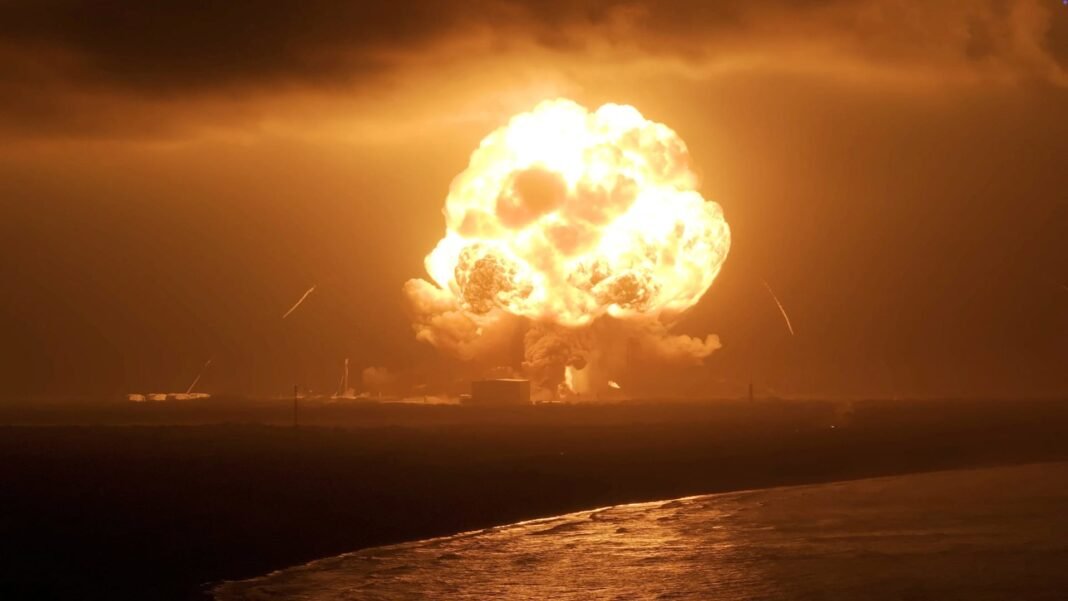
blue Origin’s New Glenn Rocket Explosion disrupts Launchpad Recovery and Lunar Mission Schedules
Fireball Incident during Test at Cape Canaveral Launch Site
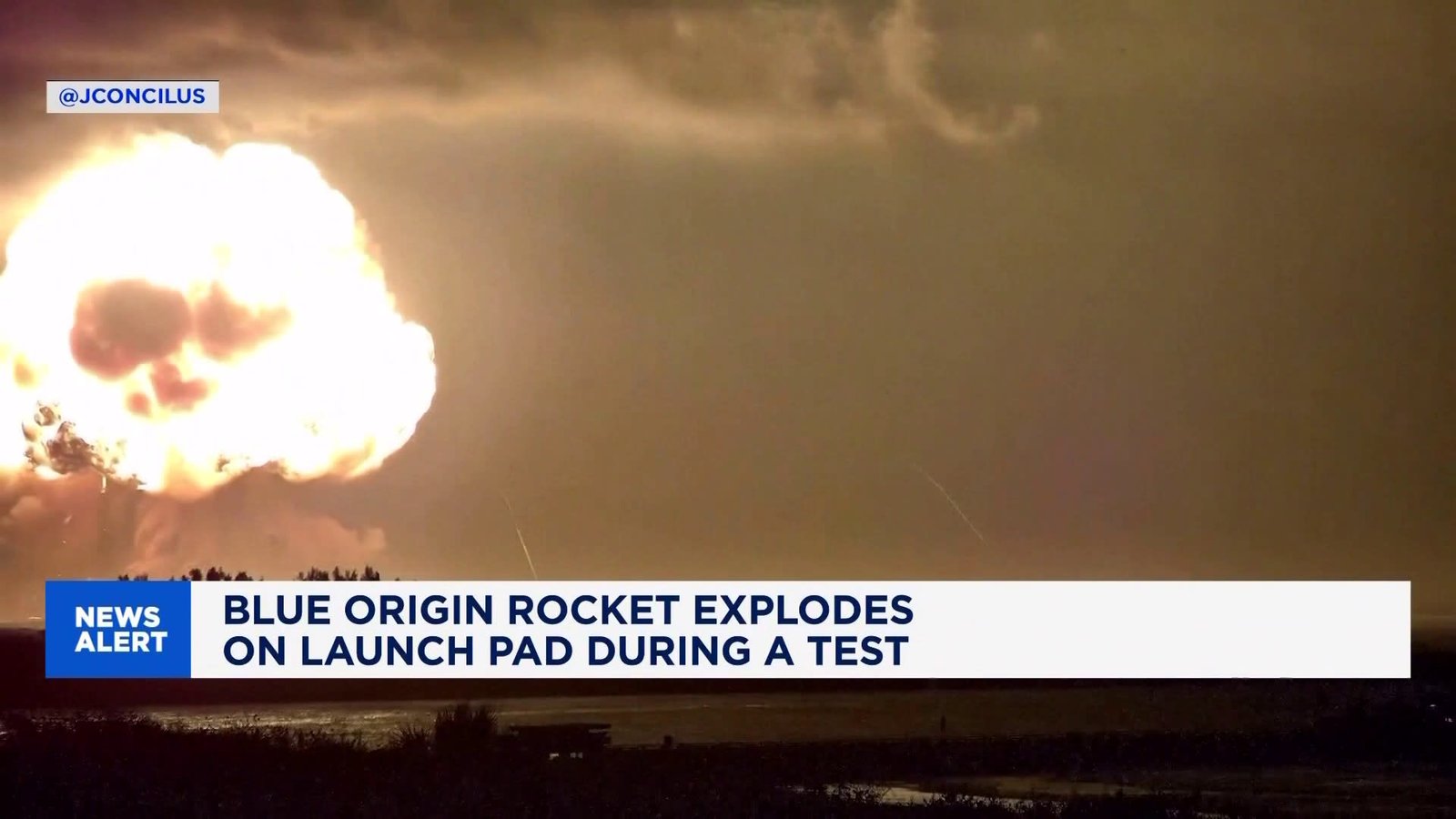
A catastrophic explosion erupted during a hot-fire test of Blue Origin’s uncrewed New Glenn rocket at Cape Canaveral Space Force Station in Florida, unleashing a massive fireball that inflicted significant damage on the launchpad infrastructure. This event, which took place on May 28, 2026, has interrupted vital preparations for upcoming space missions.Fortunately,no injuries were reported among Blue Origin staff present during the incident.
Consequences for NASA’s Artemis Moon program and Lunar Exploration Goals
The blast has cast uncertainty over NASA’s Artemis program timeline aimed at landing astronauts back on the Moon by 2028. NASA Administrator Jared Isaacman acknowledged that repairing the damaged launch facility will demand substantial time and resources but remains cautiously hopeful about adhering to mission deadlines.
Blue Origin is contracted by NASA with $188 million to contribute to lunar exploration efforts, including deploying two rovers via their Mark 1 lander using New Glenn rockets. Isaacman emphasized that while recovery poses challenges, current assessments suggest pad restoration can be completed before the critical 2028 milestone.
Assessing Launchpad Repair Progress and Obstacles
The affected launch complex includes a support tower that sustained damage yet is salvageable without full replacement-a promising factor amid setbacks. Blue Origin CEO Dave Limp confirmed partial site access has been regained and outlined ongoing reconstruction plans. Limp expressed confidence in resuming flight operations before year-end despite ongoing repair work.
The Vital Role of Heavy-Lift Rockets in Lunar Missions
Missions transporting heavy payloads into lunar orbit require robust rockets capable of lifting large masses-positioning Blue Origin alongside SpaceX as key contenders in this sector. Isaacman noted that with one launchpad currently out of commission due to damage, reliance on option heavy-lift vehicles such as SpaceX’s Falcon Heavy intensifies.
The New Glenn rocket was engineered specifically to rival competitors like SpaceX’s Falcon 9 and United Launch Alliance’s Vulcan Centaur within this competitive market segment focused on powerful orbital launches.
Operational Risks from Limited Launch Infrastructure
Blue Origin currently operates only one active New Glenn launch facility at Cape Canaveral; its second planned pad at Vandenberg Space Force Base remains under construction. This limited infrastructure heightens vulnerability when incidents occur-delaying not only company projects but also impacting clients who depend on timely launches for satellite deployments or exploration missions.
Wider Implications for Commercial Satellite Deployment Schedules
- Amazon: the technology giant depends heavily on Blue Origin launches to deploy satellites supporting its emerging low Earth orbit (LEO) internet constellation designed as an alternative to Starlink. The explosion jeopardizes scheduled launches crucial for meeting Federal Communications Commission deployment deadlines set for mid-2026.
- AST SpaceMobile: Developing direct-to-device satellite communications technology, AST SpaceMobile also relies extensively on Blue Origin’s services; recent stock price declines reflect investor concerns over delays stemming from this mishap.
A Data-Informed Perspective On Recovery Timelines
“Historically speaking, rebuilding or repairing any human spaceflight launch pad requires considerable time-even under accelerated conditions,” stated Isaacman-highlighting lessons drawn from decades of aerospace operations worldwide as teams plan next steps following this setback.
Ahead: Resolute Efforts Toward Rebuilding and Flight Resumption
Together with NASA leadership and onsite personnel, Bezos, Limp, and isaacman conducted firsthand inspections of the damaged area while mobilizing teams around root cause analysis alongside rapid restoration strategies focused on minimizing downtime.
Limp reassured stakeholders by projecting flight operations could recommence before December 2026 despite current obstacles-a testament to resilience within commercial spaceflight sectors adapting swiftly after unexpected testing failures.
Evolving Competition Among Heavy-Lift Rockets driving Lunar Exploration Progression
The rivalry between private aerospace firms continues intensifying as established leaders like SpaceX compete against emerging challengers such as Blue Origin striving for dominance in delivering reliable heavy-lift capabilities essential not only for lunar expeditions but also expanding global satellite constellations projected by industry analysts like Euroconsult to grow over 50% through this decade-with thousands more satellites expected online worldwide by 2030.
- Diversification Imperative: With just one operational pad available out of two planned facilities globally-and considering potential future incidents-the necessity of diversified infrastructure becomes paramount when pursuing enduring long-term space exploration objectives.
- Sustainability through Repair: Opting to repair rather than fully replace major structures aligns with cost-effective sustainability practices increasingly embraced across aerospace engineering disciplines.
- Crewed Mission Impact: Even though current tests involve uncrewed vehicles such as Mark 1 landers carrying rovers slated for deployment later this decade-the success or delay here directly influences timelines toward crewed lunar surface expeditions envisioned under Artemis initiatives.