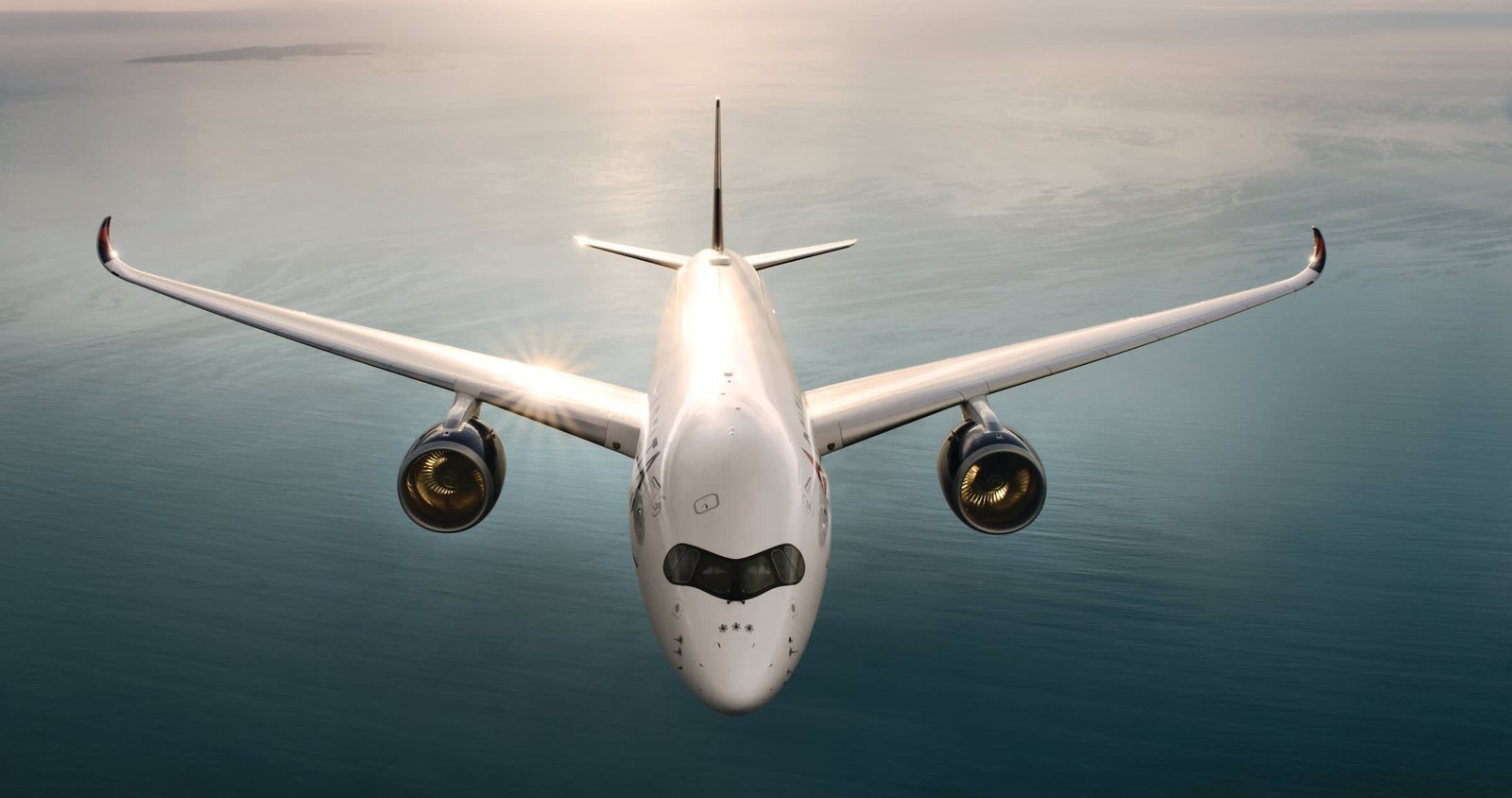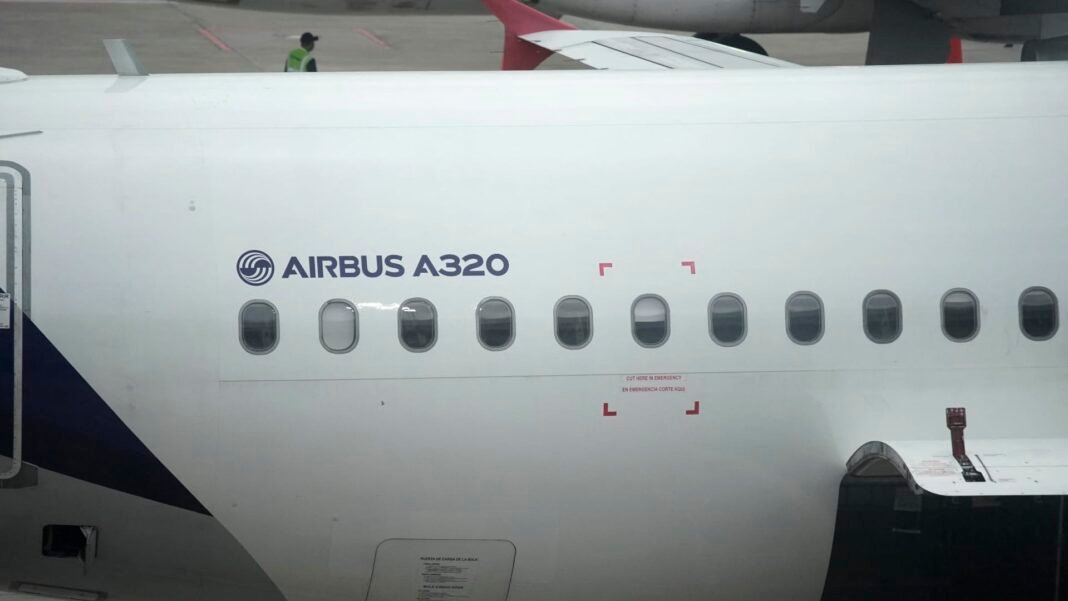
Airbus A320 Fleets Face Global Groundings Amid Critical Software Patch
Thousands of Travelers Disrupted as Major Narrow-Body Fleet is Temporarily Halted
More than 6,000 aircraft from the Airbus A320 family were taken out of service following a mandatory software update issued by Airbus.This directive impacted over half of the worldwide narrow-body fleet, causing meaningful interruptions during a peak travel season and leaving countless passengers stranded across continents.
Solar Storms Spark Urgent aviation Safety Response
The urgent recall was triggered by irregularities linked to recent intense solar flare activity that disrupted onboard avionics systems. The consequences were widespread, affecting flight operations from North America through Asia to Australia-regions where the A320 series is integral to short-haul air travel networks.
Rapid Reactions among North American Airlines
- American Airlines: As the largest global operator of A320 aircraft, American initially identified over 200 planes requiring updates but swiftly narrowed this down to just four by early morning on a critical holiday travel day. The airline projected minimal further impact on passenger itineraries during Thanksgiving weekend.
- United Airlines: With six affected jets in its fleet, United anticipated only minor delays on select routes.
- Delta Air Lines: Under 50 aircraft within Delta’s A320 lineup needed software corrections, with limited disruption expected.
Aviation Disruptions Across Asia-Pacific Markets
Ana Holdings in Japan, which operates one of the country’s largest narrow-body fleets including subsidiaries like Peach Aviation, canceled nearly 95 domestic flights impacting approximately 13,200 travelers. In contrast, Japan Airlines , primarily utilizing Boeing models for its operations, remained largely unaffected by these issues.
Scoot Airlines, part of Singapore Airlines’ group and predominantly flying A320s across Southeast Asia regional routes, reported that 21 out of its 29 aircraft required immediate software updates with completion aimed within days.Similarly, Air India , partially owned by Singapore Airlines and managing a ample portion of its fleet under this model type, completed updates on more than 40% without canceling flights but experienced some delays or rescheduling challenges.
The Australian Scenario:
- Jetstar airways (a Qantas Group subsidiary) canceled close to 90 flights after detecting software faults in 34 planes. By mid-afternoon Saturday local time, over half had been cleared for operation with expectations all would be back online overnight for normal Sunday schedules.
- The Qantas group controls roughly two-thirds (65%) of Australia’s domestic air traffic market share; meanwhile, Virgin Australia ,holding about one-third (35%) market share but operating only four affected A320s reportedly faced no disruptions from this recall event.
Aviation Regulators Enforce Swift Safety Protocols Worldwide
The European Union Aviation Safety Agency promptly issued an official mandate following an incident involving JetBlue where an unexpected pitch-down maneuver occurred late October during flight. shortly after,EASA’s counterpart-the U.S Federal Aviation Administration-released an emergency order requiring immediate corrective measures across all operators flying affected Airbus models globally.
“The necessary fix for certain #A320 aircraft has introduced considerable logistical hurdles and delays as yesterday… Our teams are working tirelessly around the clock to assist operators and ensure these critical updates are deployed as quickly as possible,” stated Airbus CEO Guillaume Faury regarding ongoing efforts to restore full operational capacity post-safety intervention.”
The Wider Implications: Understanding Space weather’s Impact on Modern Flight Operations
This extensive grounding serves as a stark reminder that space weather events such as solar flares can unexpectedly compromise advanced avionics systems embedded within widely used commercial jets like those in the Airbus A320 family-favored globally for their fuel efficiency and adaptability across short- and medium-haul routes.
The episode also highlights airlines’ increasing reliance on rapid digital diagnostics combined with coordinated regulatory oversight when addressing emergent technical faults affecting passenger safety at scale-especially amid high-demand periods when millions depend daily upon reliable air transport services worldwide each year.