Analyzing SpaceX’s Financial Landscape: The Impact of Starship and Starlink
Recent developments,including SpaceX’s latest public offering and the newest Starship rocket test flight,shed light on the company’s financial outlook. These updates offer a nuanced perspective that may temper enthusiasm among supporters while providing caution to skeptics.
Starlink: The Primary Revenue Engine Behind SpaceX
Among its various projects, SpaceX currently relies heavily on one major income source: its satellite internet service known as Starlink. This division is pivotal to the company’s valuation, having generated an extraordinary $11.4 billion in revenue during the previous year.
Despite this success, maintaining such a vast satellite network comes with notable expenses. To uphold service quality and coverage, approximately 20% of satellites must be replaced annually-a costly cycle that has historically challenged similar ventures in the industry. Since early 2023 alone, investments into expanding and sustaining this constellation have exceeded $11 billion, surpassing expenditures on Starship development and launch infrastructure by nearly $3 billion.
The Crucial Role of Starship in Cost Efficiency
Elon Musk has highlighted that reducing satellite replacement costs depends heavily on the operational efficiency of the Starship rocket test flight. Without achieving affordable launches through this vehicle, he warns that SpaceX could face severe financial strain or even bankruptcy due to escalating expenses.
A recent shift in regulatory disclosures reveals a pragmatic stance: full reusability of Starship is not strictly necessary for deploying next-generation Starlink satellites. This acknowledgment suggests that if complete reusability remains out of reach, launch costs might stay comparable to those associated with Falcon 9 rockets despite increased payload capacity.
Industry experts estimate each launch could cost up to $100 million-approximately $1,000 per kilogram-constrained further by production rates for rocket components and refurbishment timelines.
The Latest Test Flight Reveals Reusability Obstacles
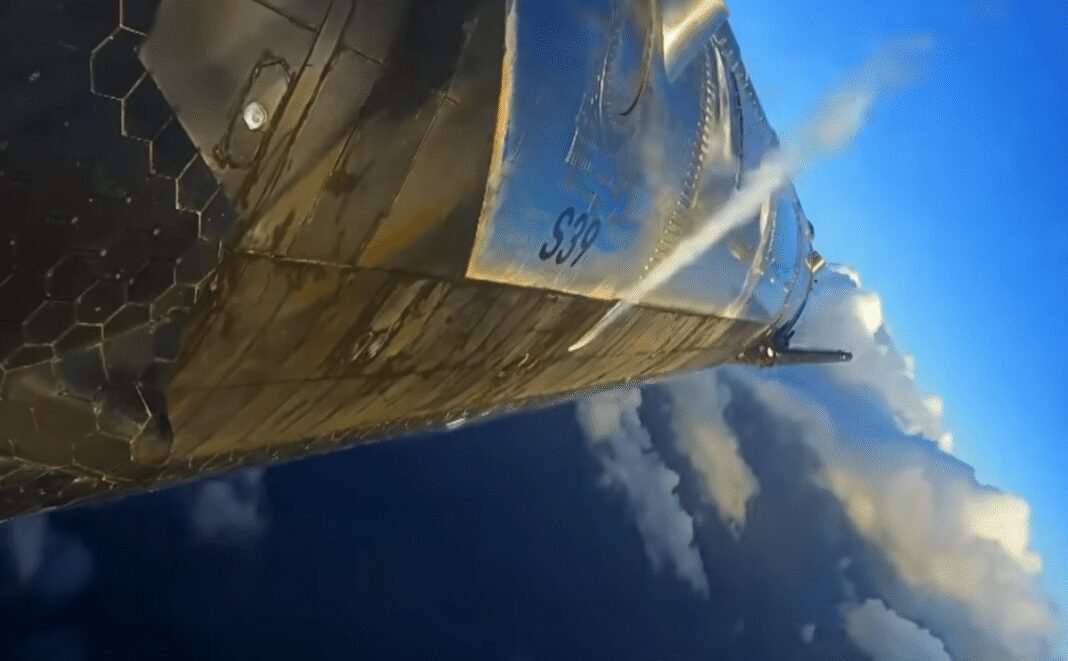
The third version of the Starship recently completed a high-profile test mission which exposed challenges related to engine relighting-a vital capability for controlled landings essential for booster recovery and spacecraft reuse. Although these issues prevented full recovery maneuvers during this flight, it successfully deployed dummy payloads along with two experimental satellites into orbit.
This aligns with SpaceX’s strategy to eventually send batches containing up to 60 advanced high-throughput satellites per mission-a twentyfold increase compared to Falcon 9 launches expected later this year. However,initial missions may rely on expendable rockets rather than reusable ones; if so, anticipated cost savings from mass deployment could be delayed or substantially reduced.
Saturation Signs Emerge as Subscriber Growth Slows Down
SpaceX’s own reports indicate a deceleration in global subscriber growth for its sustained starlink growth . While targeting every fixed broadband user or mobile device worldwide represents an enormous market opportunity theoretically,
Currently boasting over 10 million subscribers-the largest user base among satellite internet providers-Starlink faces headwinds as expansion momentum slows entering early 2026 quarters.Analysts project reaching nearly 17 million users by year-end would require doubling current quarterly growth rates amid rising subscription fees-a tough feat given intensifying competition from other providers.
Evolving Pricing Trends Affect Revenue Per User Metrics
A notable concern is declining average revenue per user (ARPU), which fell from around $99 in 2023 down to approximately $66 during Q1 2026 due largely to expansion into lower-income international markets where pricing power is limited compared with developed economies.This trend means each new satellite launched generates diminishing financial returns unless subscriber numbers grow rapidly enough .
An Increasingly Competitive Market Landscape Challenges Growth Prospects
- Amazon kuiper Initiative: Amazon continues developing its own low Earth orbit constellation aimed at broad internet coverage but faces delays awaiting regulatory approvals needed for deploying over a thousand satellites within upcoming months.
- Cautious Industry Outlook: Data indicates even leading companies like SpaceX are experiencing slower-than-expected demand growth-suggesting potential limits on overall market size affecting all competitors including blue Origin and others pursuing space-based broadband solutions.
“If demand softens at technologically advanced firms such as SpaceX,” industry analysts observe “it likely reflects fundamental constraints on how expansive space broadband markets can realistically become.”
A Realistic Perspective on Future Challenges and Opportunities
the complex interplay between technological hurdles surrounding reusable heavy-lift rockets like a recent starship rocket test flight , capital-intensive cycles required for ongoing sustained starlink growth , shifting pricing strategies across diverse global markets,
and mounting competition paints an intricate picture regarding SpaceX’s path forward.
While ambitions remain lofty-including visions such as lunar bases powered via these networks-the immediate financial realities highlight substantial obstacles before revolutionary cost reductions or innovative business models fully materialize.
Grasping these dynamics offers valuable insight beyond headline-grabbing achievements toward understanding what sustained commercial success demands within today’s fast-evolving aerospace sector.