



Severe Flooding in Punjab, Pakistan Underscores climate Change Consequences
The vital monsoon season that sustains South Asian agriculture is turning increasingly perilous due to shifting climate patterns.
Historic Floodwaters Overwhelm Eastern Punjab
Eastern Punjab in Pakistan is currently facing the most catastrophic flooding ever documented. Rivers including the Sutlej,Chenab,and Ravi have swelled beyond all previous records,compelling mass evacuations across multiple districts.
authorities report that more than two million individuals have been affected as these rivers simultaneously reached unprecedented flood levels. This event represents a watershed moment for the region’s hydrological history.
Coordinated Rescue Efforts and Shelter Arrangements
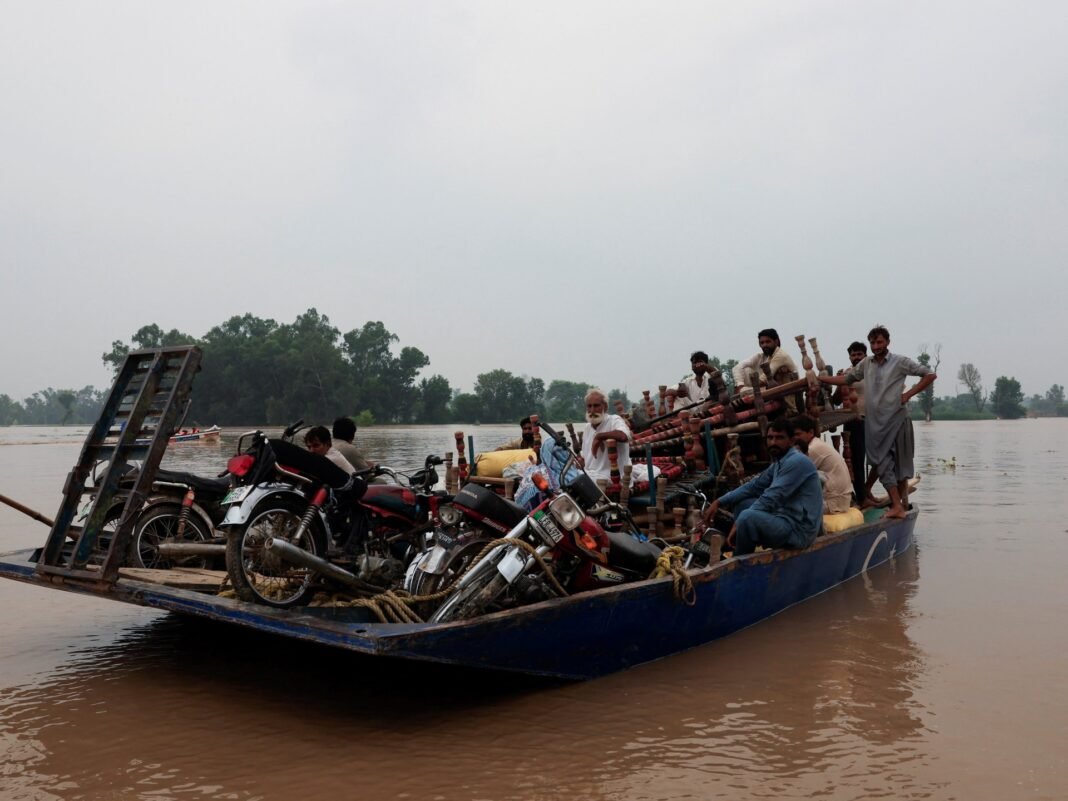
Emergency teams have activated large-scale rescue missions, converting schools, police stations, and community centers into temporary refuges. Visual reports reveal residents boarding boats to flee submerged agricultural lands while attempting to retrieve possessions from waterlogged homes now deemed unsafe.
A converted classroom shelter currently accommodates vulnerable populations such as pregnant women; among them is 19-year-old Amina Khan who has endured pregnancy complications amid cramped conditions surrounded by mud and stagnant floodwater for several days.
The Amplifying Effect of Climate Change on Monsoon Intensity
This monsoon season has brought exceptionally heavy rainfall across Pakistan. Research indicates that rising global temperatures are intensifying precipitation extremes throughout South Asia, causing customary monsoons to become more unpredictable and destructive than in past decades.
The northern mountainous areas have suffered flash floods and landslides triggered by intense cloudbursts recently. Concurrently, eastern Punjab faces compounded difficulties due to cross-border water releases from India’s swollen reservoirs flowing downstream into Pakistani territory.
Impact of Cross-Border Water Management on Flood Severity
The Indian government issued warnings about dam discharges on shared rivers-a rare diplomatic dialog amid heightened tensions this year-alerting pakistani officials about potential flooding risks. Pakistani authorities are actively assessing how these controlled releases may be worsening flood conditions within low-lying zones of Punjab province.
Tactical Responses amid Rising River Levels
- Drones equipped with real-time imaging technology are extensively deployed to monitor flood-prone regions continuously.
- Civil defence teams have strategically placed explosives along critical embankments near Multan city as a last-resort measure intended to redirect excess waters if necessary.
- An urgent call urges residents remaining in vulnerable neighborhoods around Multan-home to millions-to evacuate immediately toward government-operated shelters ahead of an anticipated surge from the Chenab river basin.
“The sheer volume of incoming water surpasses our containment capabilities,” declared Deputy Commissioner Wasim Hamad Sindhu during an emergency briefing emphasizing rapid evacuation efforts.”
Agricultural Devastation Threatens National Food Stability
Punjab serves as Pakistan’s breadbasket supporting roughly 150 million people nationwide through its dominant wheat production role. The ongoing floods jeopardize extensive farmland just months after severe 2022 inundations devastated crops across eastern and southern regions-events which previously raised alarms over looming food shortages at the national level.
A Regional wake-Up Call: Climate Hazards Across South Asia
This disaster highlights how climate change disrupts long-standing weather cycles crucial for farming communities throughout South Asia. With extreme rainfall events becoming increasingly frequent due directly or indirectly to global warming trends-scientists warn that without robust adaptation strategies such catastrophes will escalate in frequency and severity over coming decades affecting countries like Bangladesh, Nepal, India-and Pakistan itself where millions rely annually on stable monsoons for their livelihoods.


