OpenAI’s Legal Showdown: Crucial Issues Under Jury Deliberation
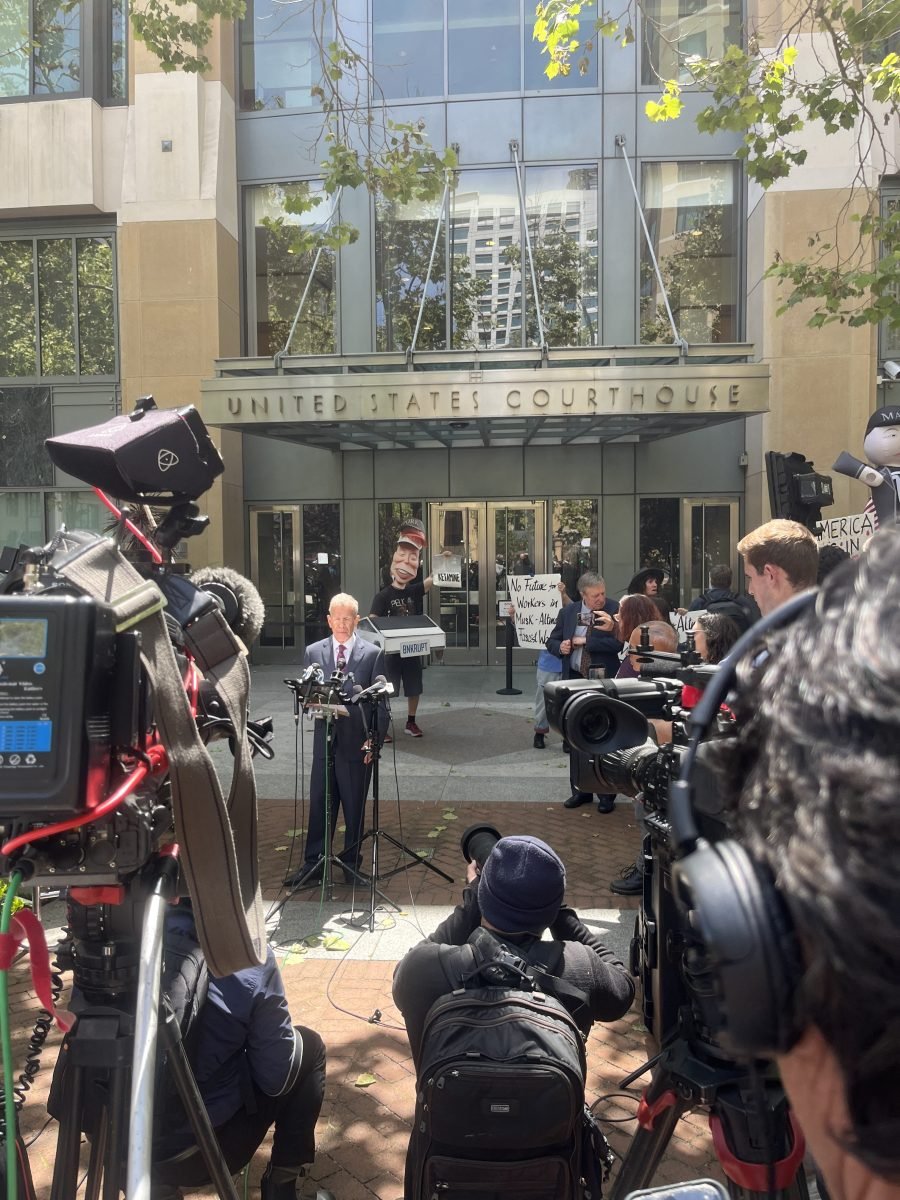
A jury of nine in California is currently tasked with resolving pivotal questions that could significantly influence the trajectory of OpenAI, a prominent artificial intelligence research organization.the lawsuit involves Elon Musk suing OpenAI’s founders and Microsoft, centering on disputes over the handling of Musk’s donations and governance practices within the company.
Primary Claims Raised Against OpenAI and Its Affiliates
The case revolves around three main allegations:
- Breach of charitable trust: Whether Sam Altman, Greg Brockman, and OpenAI misused Musk’s donations by diverting them from their originally intended nonprofit purposes.
- Unjust enrichment: If Musk’s financial contributions were exploited to benefit defendants personally through OpenAI’s for-profit branch rather than supporting its nonprofit mission.
- Aiding breach of trust: Whether Microsoft knowingly facilitated violations of Musk’s donation terms through its partnership with OpenAI.
The Dispute Over Charitable Trust Violations
Musk’s legal team contends his funds were meant exclusively for a nonprofit entity dedicated to ensuring AI progress benefits humanity broadly without control by any single corporation.Thay point to Microsoft’s $10 billion investment in 2023 into OpenAI’s for-profit division as a critical moment when this mission was allegedly compromised. According to plaintiffs, this deal prioritized investor profits over AI safety goals championed by Musk.
The defense counters that no explicit restrictions were ever placed on how musk’s donations shoudl be used-a claim supported by testimonies from individuals close to him who could not identify such conditions. They also emphasize that private fundraising was always anticipated as part of achieving ambitious AI objectives. Evidence further shows Musk explored alternative paths including launching his own controlled AI projects and proposing mergers involving Tesla during this period.
A forensic accountant testified all donated funds had been fully allocated before August 5, 2021-undermining claims that charitable trust breaches occurred after this date. additionally, defenders highlight how the for-profit affiliate has generated nearly $200 billion in equity value supporting ongoing nonprofit activities. Sam Altman has argued that providing free access to ChatGPT exemplifies sharing AI benefits globally consistent with philanthropic intent.
Evidentiary Examination of Unjust Enrichment Allegations
Plaintiffs stress multibillion-dollar valuations held by founders like Brockman and Sutskever alongside Microsoft’s notable stake as evidence suggesting personal gain took precedence over charitable aims. They argue commercial interests dominated operations while the nonprofit foundation remained largely inactive without full-time staff or meaningful control over buisness decisions.
The defense maintains all contributions were properly utilized prior to Elon Musk stepping down from leadership roles between 2018-2020. Equity awards issued later served as compensation necessary for attracting top researchers vital to advancing artificial general intelligence (AGI)-a theoretical form capable of human-level cognitive tasks.They affirm continued nonprofit oversight on corporate governance including reforms enacted after Altman’s brief removal from leadership in early 2023 amid transparency concerns.
Microsoft’s Contested Influence Within OpenAI
Musk highlights CEO Satya Nadella’s role during “the blip” period when Altman was abruptly fired then reinstated amid board restructuring heavily influenced by Microsoft executives reliant on integrating OpenAI technology into their products. Plaintiffs argue microsoft’s veto rights embedded within agreements steered decisions away from original non-profit goals toward commercial priorities detrimental to donor intentions.
This is strongly disputed: witnesses representing Microsoft deny awareness of specific donation restrictions or exercising veto power over major decisions at OpenAI despite comprehensive due diligence conducted before investments enabled breakthroughs like ChatGPT deployment at scale.
Tackling statute-of-Limitations arguments
Musk asserts growing mistrust onyl culminated after learning about Microsoft’s substantial new investment plans announced late in 2023-prompting him finally to file suit mid-2024 despite earlier public critiques dating back several years via social media posts indicating awareness about organizational shifts much earlier.
The defense argues these terms originated from documents circulated during fundraising rounds starting as early as 2018 but lacked detailed scrutiny either from Musk himself or advisors such as Shivon Zilis who voted approvingly while serving on boards connected with both parties involved in the dispute.
Consequences Of Delayed Legal Action On Case Strength
The defense contends litigation arose primarily onc initial doubts faded following ChatGPT revolutionizing global AI markets-making current demands unreasonable given eight years operating under existing structures as first major investments began fueling growth and innovation efforts within the company framework.
Plaintiff conduct Under Scrutiny: The “Unclean Hands” Doctrine
Evidence suggests Elon Musk pursued competing AI initiatives simultaneously while chairing parts of OpenAI-recruiting employees towards Tesla projects-which may legally undermine his claims under “unclean hands” principles potentially invalidating portions of his lawsuit.
Additionally raised concerns include nondisclosure regarding personal relationships among board members affecting transparency plus withholding promised funding aimed at influencing profit-generating affiliates’ strategies.
Conclusion:
This high-profile trial explores complex intersections between philanthropy law and cutting-edge technological advancement amid evolving corporate structures valued at hundreds of billions worldwide-the verdict here could redefine how future AI ventures balance innovation incentives against ethical stewardship entrusted through donor support mechanisms.