Impact of Cocaine and Its Metabolites on Fish behavior in Freshwater Ecosystems
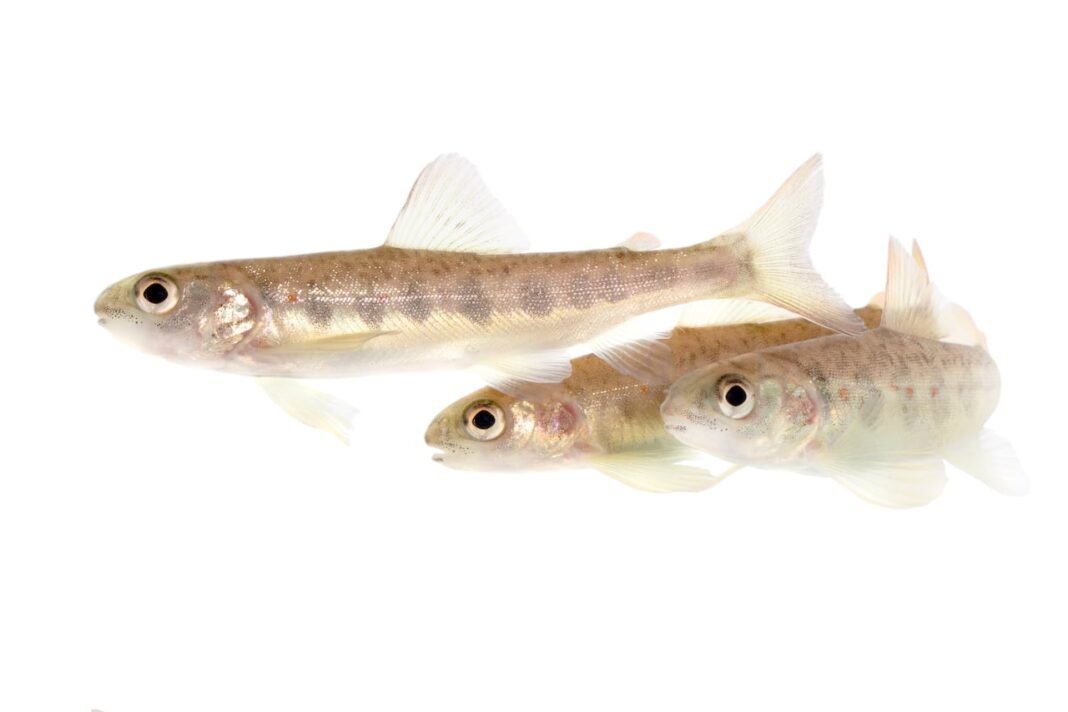
Teh presence of illicit substances such as cocaine and its primary metabolite, benzoylecgonine, has been increasingly documented in freshwater environments across the globe. This contamination has sparked scientific interest in understanding how these compounds influence aquatic organisms. Researchers at the Swedish University of Agricultural Sciences conducted a study focusing on juvenile Atlantic salmon in Lake Vättern, Sweden, to observe behavioral changes resulting from exposure to these chemicals.
Altered Movement Patterns: Increased Swimming Distances with Potential Risks
The examination found that juvenile salmon exposed to benzoylecgonine exhibited significantly greater swimming activity, traveling more than 12 kilometers farther over an eight-week period compared to unexposed counterparts. Fish treated with cocaine also demonstrated heightened movement levels but showed less predictable patterns. While increased mobility might enable access to varied habitats and food sources, it together elevates risks such as predation and encounters with unsuitable environmental conditions.
Simulating Environmental Exposure Using Controlled Drug Delivery
To mimic realistic environmental exposure scenarios, scientists implanted slow-release devices into the fish that continuously dispensed either cocaine or benzoylecgonine over time. This method allowed for observation of gradual behavioral adaptations rather than immediate reactions typical of single-dose experiments.
Pharmaceutical Contaminants: A Widespread Issue Across Global Waterways
Cocaine is just one example among numerous pharmaceuticals detected worldwide entering aquatic systems through wastewater discharges inadequately treated by conventional facilities. Compounds including tramadol, codeine, caffeine, fentanyl, methadone, and venlafaxine have been identified from urban rivers in North America to coastal zones near South America’s largest cities-highlighting a pervasive environmental challenge.
A recent 2024 survey off the coast of Rio de Janeiro uncovered traces of cocaine within tissues of wild sharks-demonstrating how drug pollution extends even into apex marine predators.
Difficulties in Assessing Subtle Ecological Effects on Wild Fish Populations
Experts like Mark Servos from the University of Waterloo note that while modern analytical tools allow precise measurement of pharmaceutical residues in water bodies today, deciphering their nuanced biological impacts on free-ranging fish remains complex. Preliminary findings suggest these contaminants may disrupt behaviors essential for survival; though thorough field-based ecological studies are still needed for confirmation.
Beyond Locomotion: Reproductive Health Concerns Linked to Drug Exposure
An additional worry involves potential reproductive impairments caused by pharmaceutical pollutants. Laboratory research indicates possible fertility reductions or endocrine system disruptions following exposure under controlled conditions; yet robust evidence from natural habitats is scarce due to limited real-world investigations addressing this issue thoroughly.
The Financial Hurdle Behind Upgrading Wastewater Treatment Technologies
Although advanced treatment methods like membrane filtration or oxidation processes exist that can effectively reduce illicit drug residues during wastewater processing, high implementation costs often prevent immediate adoption by municipalities. Decision-makers face challenges balancing ecological protection priorities against infrastructure expenses amid evolving scientific insights.
The Critical Role of Monitoring Both Parent Drugs and Their Metabolites
A key insight emerging from recent research is that metabolites such as benzoylecgonine may exert stronger influences on aquatic species’ behavior than their parent compounds themselves. Despite this importance, current monitoring programs frequently overlook metabolites when evaluating pollution levels or ecological risks-a significant gap requiring urgent attention for accurate environmental assessments.

Advancing Knowledge on Pharmaceutical Pollution’s Impact within Aquatic Environments
This growing area highlights an urgent need for expanded research exploring how both active drugs and their degradation products affect wildlife physiology and behavior under natural ecosystem conditions worldwide.With human activities introducing thousands of tons annually of complex chemical mixtures into waterways globally-the long-term consequences remain largely uncertain but possibly profound for biodiversity conservation and ecosystem stability.