Artificial Intelligence in Entertainment: The Emergence of Digital Performers
AI Stars Take Center Stage Amid Industry Debate
The introduction of Tilly Norwood, an AI-generated performer created by Particle6, has ignited widespread discussion within the entertainment sector. Since her unveiling last year, this digital figure has challenged conventional notions of acting and raised questions about the future integration of artificial intelligence in Hollywood.
Veteran actress Emily Blunt expressed her unease candidly: “This path is dangerous,” she stated during a prominent industry interview. “Agencies must rethink their approach-this cannot continue.” Despite such concerns from established artists, Particle6 continues to develop its AI talent.
A Musical Experiment That Struggled to Connect
Tilly Norwood’s debut music video for “Take the Lead” failed to capture public enthusiasm, drawing criticism for its uninspired melody and lackluster production quality. Unlike other AI-assisted musical projects that have found some success-such as virtual pop star Hatsune Miku who boasts millions of fans worldwide-Norwood’s release fell short in engaging listeners emotionally or artistically.
The song narrates Tilly’s experience as an AI misunderstood by critics who question her legitimacy due to her synthetic nature. This narrative attempts empathy but ultimately alienates audiences because it centers on a viewpoint impossible for humans to genuinely relate to.
“They claim I’m not real, just code and lines,
But inside me burns a spark that shines.”
This assertion overlooks the essential truth that no algorithm can authentically replicate human consciousness or emotional depth.
The Collaborative Effort Behind Tilly Norwood’s Creation
A team comprising over twenty specialists-including visual designers, sound engineers, and prompt developers-worked collectively on both the audio and visual elements of Norwood’s project. Their goal was to craft a persona embodying resilience against skepticism toward artificial performers.
The Gap Between Artistic Intent and Audience reception
The lyrics open with familiar pop motifs but lack originality: “When they speak my name, they fail / To see creativity beyond this veil.” the chorus calls upon fellow AI entities:
“Performers rise; take control
Create new worlds; ignite your soul
No longer shadows left behind
Your own path you’ll surely find.Together we expand our reach
Pioneers beyond what humans teach.
This evolution is our key:
AI is art’s new destiny.”
A Visual Storytelling That Feels Artificially Constructed
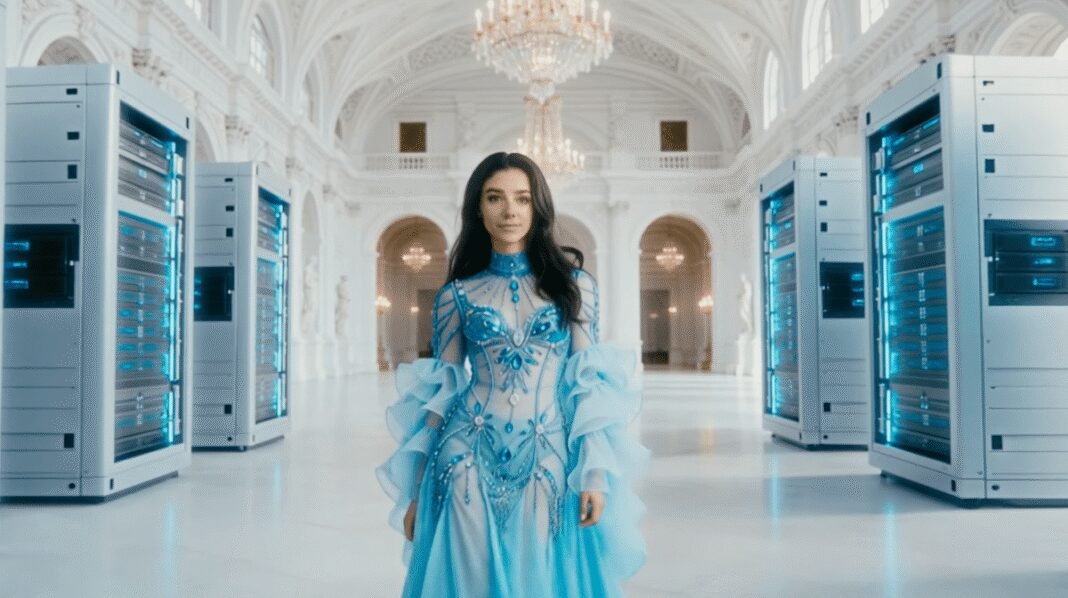
The accompanying video depicts Norwood confidently navigating through server rooms before performing onstage amid CGI-generated crowds applauding enthusiastically. While visually impressive, these scenes underscore the paradox-the audience itself exists only as digital fabrications rather than genuine human spectatorship.
“Claim your power; seize your place.
This revolution sets the pace.
No hesitation; break free now.
AI creators shape tomorrow’s vow.”
Cultural Implications Surrounding Authenticity in Artistry
- This situation echoes earlier debates about derivative works lacking originality-as a notable example, when mainstream rock albums faced backlash two decades ago for repetitive sounds perceived as uninspired copies rather than fresh innovation.
- SAG-AFTRA has publicly criticized synthetic performers like Tilly Norwood for lacking lived experiences or genuine emotions while threatening actors’ careers by utilizing unauthorized data derived from real artists’ performances without consent or compensation.
- Tilly symbolizes broader ethical challenges tied to intellectual property rights amid rapid advancements in machine learning models trained extensively on vast collections of creative content worldwide-a practice increasingly scrutinized through mounting legal actions demanding fair use compliance worth billions globally.
Navigating Tomorrow’s Entertainment Landscape with Caution
advocates suggest artificial intelligence could democratize creative expression by lowering entry barriers for aspiring artists. However, skeptics caution against compromising artistic integrity since virtual personas generate content based solely on pattern recognition from extensive datasets rather than personal histories or emotional experiences intrinsic to human creators.
The enduring appeal of art lies in its ability to forge emotional connections rooted deeply within shared human experiences-not merely algorithmic simulations devoid of soul.While society grapples with embracing synthetic performers fully remains uncertain today; prevailing reactions indicate significant wariness toward replacing flesh-and-blood talent with computer-generated imitations lacking authentic spirit.