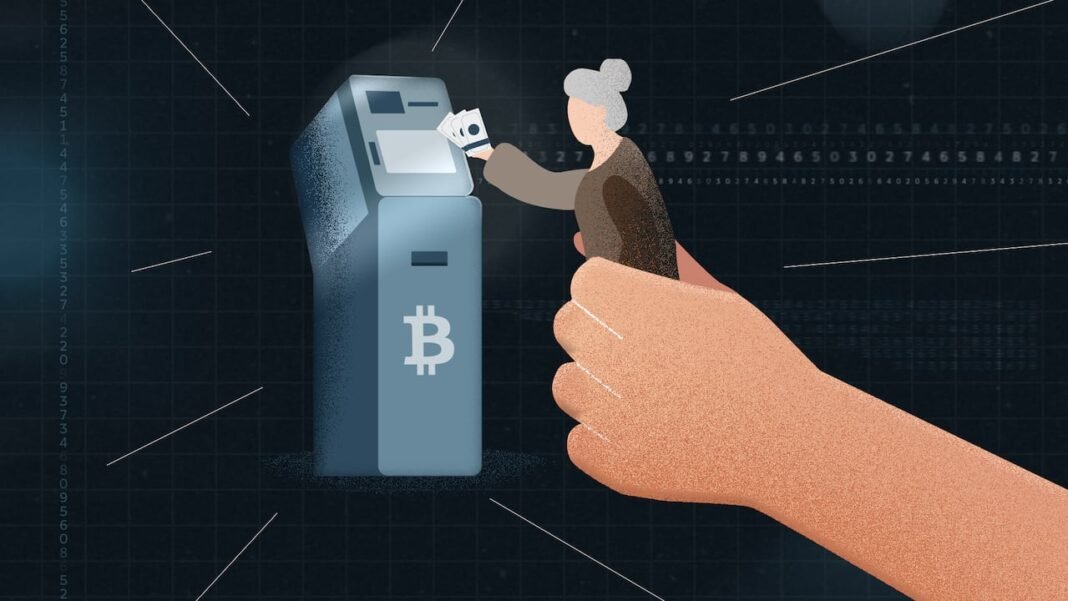
Canada Plans to Ban Crypto atms amid Escalating Fraud Risks
The Canadian government has announced intentions to prohibit crypto ATMs in an effort to protect citizens from increasing scams that exploit thes machines for illicit purposes.
Understanding the Role of Crypto atms in Financial Crime
Even though crypto ATMs look similar to customary banking kiosks, their primary function is converting cash into cryptocurrencies like Bitcoin and enabling global digital wallet transfers.This ease of use has regrettably made them a preferred instrument for fraudulent activities.
Recent investigations reveal that criminals frequently use these machines to launder money obtained through scams targeting Canadians. According to FINTRAC’s 2023 report on suspicious transactions, crypto ATMs rank as the top channel exploited by offenders for money laundering and defrauding individuals nationwide.
Why criminals Favor Crypto ATM Transactions
- Instantaneous fund transfers bypassing delays common in standard banking systems
- No need for bank accounts or complete identity verification when transactions remain below $1,000-often only a phone number is required
- The absence of trained personnel or real-time monitoring capable of detecting suspicious behavior during exchanges
This combination creates an environment ripe for misuse, allowing scammers to swiftly convert stolen cash into untraceable cryptocurrency assets.
Canada’s Position Within the Global Crypto ATM Market
With close to 4,000 operational crypto ATM units-the highest per capita worldwide-Canada currently lacks specific regulations tailored exclusively toward this sector. Globally, over 39,000 such machines are installed as cryptocurrency adoption surges; recent data indicates a nearly 25% increase in global installations over the past year alone.
Diverse International Regulatory Approaches Highlight Canada’s Gaps
Nations around the world have adopted varying strategies regarding crypto ATM oversight:
- The United Kingdom: Established a licensing framework in 2021 that effectively halted new operators by denying licenses altogether.
- New Zealand: Proposes a complete ban on these devices due to mounting fraud concerns.
- Australia: Enforced daily transaction limits last year following probes linking crypto ATMs with criminal enterprises.
- The United States: Nearly half its states have enacted laws capping daily transaction amounts and fees while requiring refund policies aimed at protecting victims of scams.
The Federal Government’s Economic Update and Regulatory Outlook
The latest economic update described crypto ATMs as “a primary method” exploited by criminals but offered limited details about how enforcement will proceed. Currently governed under broad money services business (MSB) regulations-which also cover foreign exchange dealers and remittance services like Western Union-the government plans for Canadians to continue accessing virtual currencies through physical MSBs while strengthening safeguards against illicit activity within those entities.
Lack of Clear Interaction From Officials Raises Concerns
Pursuing clarity on regulatory measures last fall proved difficult: interview requests with Finance Minister François-Philippe Champagne and FINTRAC were declined. When publicly questioned about regulatory shortcomings after FINTRAC highlighted widespread misuse of crypto ATMs by fraudsters, Champagne acknowledged ongoing efforts but avoided addressing specific findings directly: “This is something we’re examining very carefully and seriously.”
the Vulnerabilities That Make Crypto ATMs attractive Targets
“Crypto ATM networks offer rapid access without relying on traditional banking infrastructure or stringent identity checks-features that unfortunately appeal strongly to bad actors seeking anonymity.”
This user-kind design combined with minimal supervision contrasts sharply with conventional financial institutions where tellers can spot suspicious conduct during face-to-face interactions. The lack of such protections enables scammers using phone-based social engineering tactics-such as impersonating government officials-to coerce victims remotely into depositing funds via these machines before vanishing with their money.
A Recent Incident Demonstrates These Risks Clearly
A Toronto resident shared her experience receiving persistent calls claiming she owed overdue taxes; pressured over several days through threatening messages allegedly from authorities demanding immediate payment via a nearby crypto ATM. With no direct contact options or verification mechanisms at the machine-and no way to reverse completed transactions-she lost thousands before realizing it was a scam. Stories like hers highlight why regulators are urgently moving toward banning these devices nationwide.
Toward Enhanced Security Measures for Cryptocurrency Use in Canada
Banning unregulated crypto ATMs represents one crucial step among many reforms needed as digital currency adoption accelerates globally. Governments must balance fostering innovation against mitigating security risks posed by emerging technologies like cryptocurrencies and their infrastructure components. Developing robust regulatory frameworks swiftly remains essential so legitimate users can transact safely while minimizing opportunities exploited by criminals profiting from deception and theft alike.