Global Retail and Supply Chains Transformed by the Iran Conflict
The Strait of Hormuz: A Strategic Bottleneck under pressure
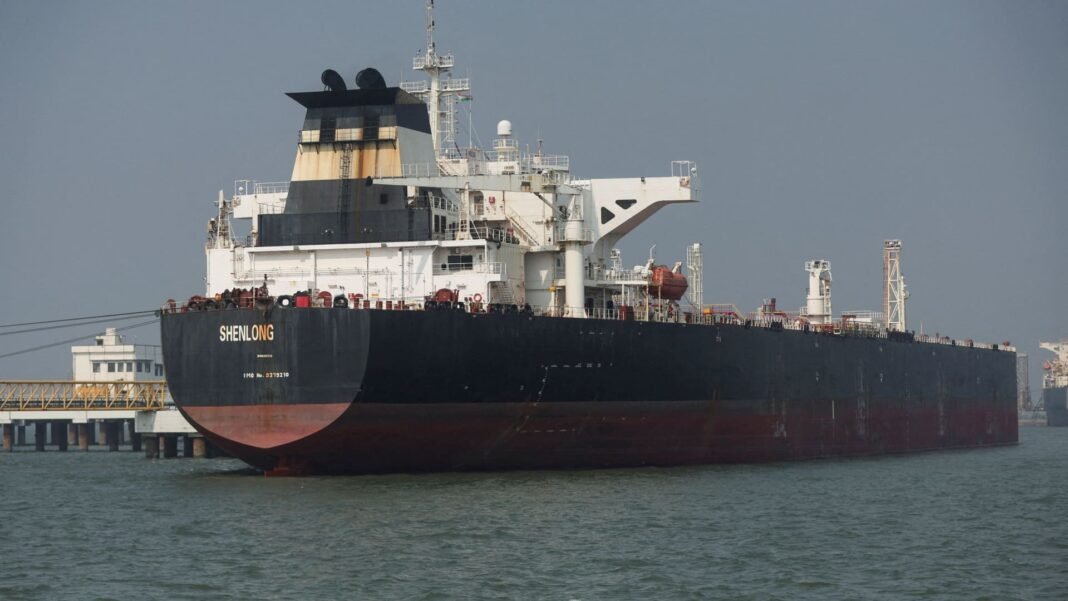
the conflict involving Iran has severely disrupted operations in the Strait of hormuz, a critical maritime passage that handles nearly 20 million barrels of oil daily-accounting for about one-fifth of global seaborne oil shipments. This bottleneck is sending shockwaves through worldwide supply chains, affecting commodities ranging from fertilizers and metals to gasoline and aviation fuel.
Iran’s Supreme Leader Mojtaba Khamenei recently underscored the blockade as a intentional tactic to exert pressure on opposing nations. Although U.S. Defense Secretary Pete Hegseth assures that military forces are effectively managing the situation, uncertainty continues to unsettle global logistics providers.
Shipping Disruptions and Supply Chain Volatility
Freight companies are grappling with fluctuating shipping capacities and rising fuel expenses due to restricted navigation routes and selective cargo acceptance policies. Such as, logistics operators report ongoing challenges in maintaining consistent service levels amid these constraints, complicating shipment planning across continents.
This turmoil extends beyond sea freight; cancellations of flights over middle Eastern airspace have delayed apparel deliveries destined for major brands such as Zara’s parent company, highlighting how geopolitical tensions ripple through interconnected transport networks.
Retailers Confront Rising Costs and Inventory Challenges
The retail industry faces mounting pressures from increased input costs caused by supply chain interruptions alongside evolving consumer spending patterns influenced by inflation at gas pumps. Experts predict grocery prices will rise sooner than apparel due to less flexible food supply chains.
A practical illustration comes from consumer packaged goods manufacturers who are adjusting production timelines or building larger inventory cushions to counteract delays-a strategy reminiscent of adaptations during recent tariff disputes but now complex further by geopolitical instability.
Shifts in Consumer Behavior Amid Inflationary pressures
The surge in energy costs is forcing households to prioritize essential expenditures like fuel over discretionary purchases. This trend poses challenges for retailers heavily dependent on non-essential items; stores with significant discretionary product lines-such as Target or Five Below-are expected to experience reduced sales as consumer confidence diminishes.
“Rising gasoline prices compel shoppers to cut back on non-essential spending,” analysts note, signaling a growing shift toward budget-conscious buying habits.
bargain retailers Gain Traction During Economic Strain
Discount-focused retailers including walmart, Kroger, Dollar General, and dollar Tree stand ready to capitalize on consumers’ increasing demand for affordable products amid economic uncertainty. These chains frequently enough see foot traffic rise when household budgets tighten elsewhere in the market landscape.
Niche Segments Show Varied Resilience
certain specialty retailers targeting affluent customers or offering exclusive merchandise may sustain stability despite broader market disruptions. As an example, Costco’s competitive pricing on gasoline has historically drawn customers willing to endure longer wait times-a pattern likely reinforced now given soaring energy expenses dominating household budgets globally.
Broad Economic Consequences Beyond Retail Sectors
The cumulative impact of these disruptions threatens overall economic growth prospects worldwide. While retail sales have demonstrated moderate resilience amid past macroeconomic fluctuations-including tariffs and pandemic recovery-the added strain from ongoing conflict risks slowing GDP expansion by constraining both product availability and consumer purchasing power concurrently.
“Elevated oil prices impose multiple burdens on family finances,” financial experts observe; “they increase fixed living costs while driving up grocery bills.”
Differentiated Effects Across Consumer Groups
- Affluent consumers: Generally more insulated due to greater disposable income; specialty stores serving this segment may maintain steady sales despite inflationary headwinds.
- Lower-income households: Face sharper reductions in purchasing power leading to curtailed spending; discount outlets like Ollie’s Bargain Outlet might also see declines even though they cater primarily to budget-conscious shoppers amid rising living costs.
Navigating an Uncertain Future: Strategies Moving Forward
If tensions around strategic transit points such as the Strait of Hormuz persist without resolution soon, industries must remain agile managing volatile freight rates alongside shifting consumer behaviors shaped by inflation at gas stations and supermarkets alike. The complex interplay between geopolitical risks and economic fundamentals highlights an urgent need for diversified sourcing strategies within global retail supply chains-building upon lessons learned during previous crises but now intensified by intricate international dynamics directly influencing energy markets tied closely with everyday goods pricing worldwide.