The Rising Tide of Deportations in Canada: Unseen Human Stories
How Increasing Deportations fracture Families
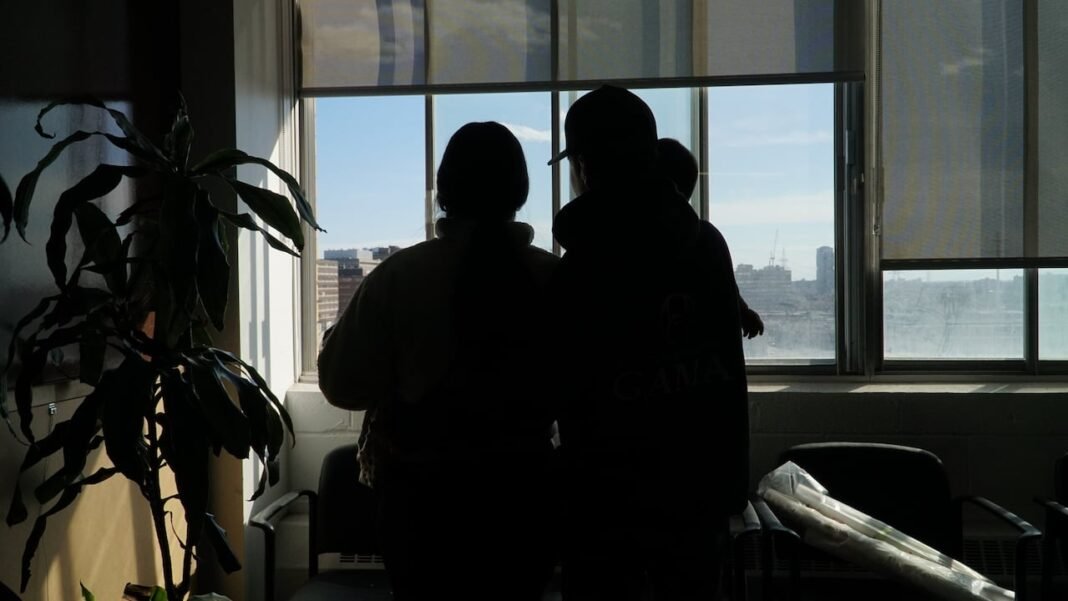
in Montreal, 22-year-old apprentice carpenter Miguel faces deportation to mexico just days before he can submit crucial evidence proving the dangers awaiting him there. As the main provider for his partner Andrea and their seven-month-old son, his forced removal threatens to dismantle their fragile family unit.
Andrea, 23, fled domestic abuse both in Mexico and later in Canada, were she was hospitalized two years ago due to severe violence. She now dedicates herself full-time to caring for their infant son who requires ongoing treatment for a congenital heart condition. Andrea emphasizes that miguel is not only their financial anchor but also an indispensable emotional pillar during these difficult times.
“No one understands my child’s needs better than his father,” Andrea shared at a local refugee support center in Montreal. As learning about Miguel’s deportation scheduled for May 5-ten days before he would qualify to apply for a pre-removal risk assessment (PRRA)-she has been gripped by constant anxiety and fear.
escalating Deportation Numbers Across Quebec and Canada
Canada has significantly ramped up immigration enforcement efforts recently, setting ambitious goals that have led to over 23,000 removals nationwide in fiscal year 2025 alone-a dramatic increase compared with annual figures ranging between roughly 7,500 and 17,000 from 2020 thru early 2024.
The province of Quebec accounted for nearly half of these deportations last year with more than 10,000 individuals removed-surpassing Ontario’s total of approximately 8,700 by a wide margin. This uneven distribution underscores how enforcement policies are applied differently across provinces.
New Laws Driving Stricter Border Controls
The federal government enacted legislation such as Bill C-12 which invalidated around 30,000 pending asylum claims nationwide while introducing measures like the Strong Borders Act aimed at bolstering surveillance along Canadian frontiers. These changes have intensified border security but sparked widespread concern among legal advocates who argue they accelerate removals without sufficient attention to humanitarian considerations like family unity or children’s welfare as outlined under Canadian law.
Navigating Challenges Within Immigration Procedures
Miguel’s situation reflects broader issues raised by refugee lawyers who report that immigration authorities ofen fast-track deportations before claimants can fully exercise rights or access critical legal protections such as PRRAs. Representatives from refugee support organizations note frequent cases where individuals are sent back prematurely despite eligibility windows allowing more time to appeal or present evidence supporting protection claims.
“It truly seems routine here; officials act as if these families aren’t real people with lives deeply affected,” remarked an immigration lawyer familiar with Quebec cases.
The Impact of Limited Legal Resources on Vulnerable Families
A shortage of qualified immigration attorneys within Quebec further complicates matters by restricting timely access to legal representation during appeals or hearings related to asylum requests or removal orders. This scarcity leaves many families exposed amid rapidly changing policies focused on expedited processing rather than thorough human rights assessments tailored individually.
A Personal Perspective: The Emotional Weight of Forced Separation
- Miguel arrived three years ago and gradually built stability-from seasonal agricultural work while improving English proficiency-to securing steady employment within Montreal’s construction industry;
- This April he was unexpectedly summoned by CBSA officers;
- He was told he must buy his own plane ticket home instantly or face incurring thousands in debt plus interest;
No accommodations were made despite scheduled medical appointments essential for his son’s heart condition.
“They saeid it wasn’t their problem,” miguel recalls bitterly regarding officials’ disregard when he explained urgent healthcare needs affecting his child.
beyond financial worries weighs the crushing reality: “I’m responsible for rent, food-all expenses-and losing my place means losing everything we’ve worked so hard for.”
A Plea For More Compassionate Immigration Policies
“From a human perspective this case is especially heartbreaking because it involves an infant whose well-being depends entirely on parental presence,” stated Miguel’s attorney emphasizing the emotional toll beyond legal complexities involved.
Tackling Systemic Issues: Advocacy Against Family Separations
The Montreal Welcome Collective has documented nearly a dozen recent instances where families faced separation even after some members obtained refugee status-a troubling pattern revealing systemic flaws prioritizing speed over fairness within current enforcement frameworks.
Advocacy groups continue pressing federal policymakers toward reforms ensuring protections against unneeded familial disruption remain central priorities moving forward.
Simultaneously organizations like the Canadian Council for Refugees call upon national authorities demanding stronger safeguards preventing forced separations linked directly with ongoing residency applications involving spouses or dependent children adversely impacted by abrupt removals without proper review processes completed first.
Conclusion: Harmonizing Security Objectives With Human Dignity In canada’s Immigration System
The surge in deportation numbers combined with legislative shifts signals Canada’s firm commitment toward enhanced border control through mid-decade-but this approach faces mounting criticism due to insufficient consideration given vulnerable families caught amid evolving policies.
Cases like Miguel’s underscore urgent demands not only for procedural fairness but also empathetic application recognizing real-life consequences behind public statistics.
Ensuring equitable access both legally and emotionally remains essential if Canada truly aims to uphold its humanitarian values alongside national security goals alike.