WADA Mulls Barring U.S. Government Officials from Key International Sporting Events
Implications for U.S. Leadership at 2028 Los Angeles Olympics and 2026 FIFA World Cup
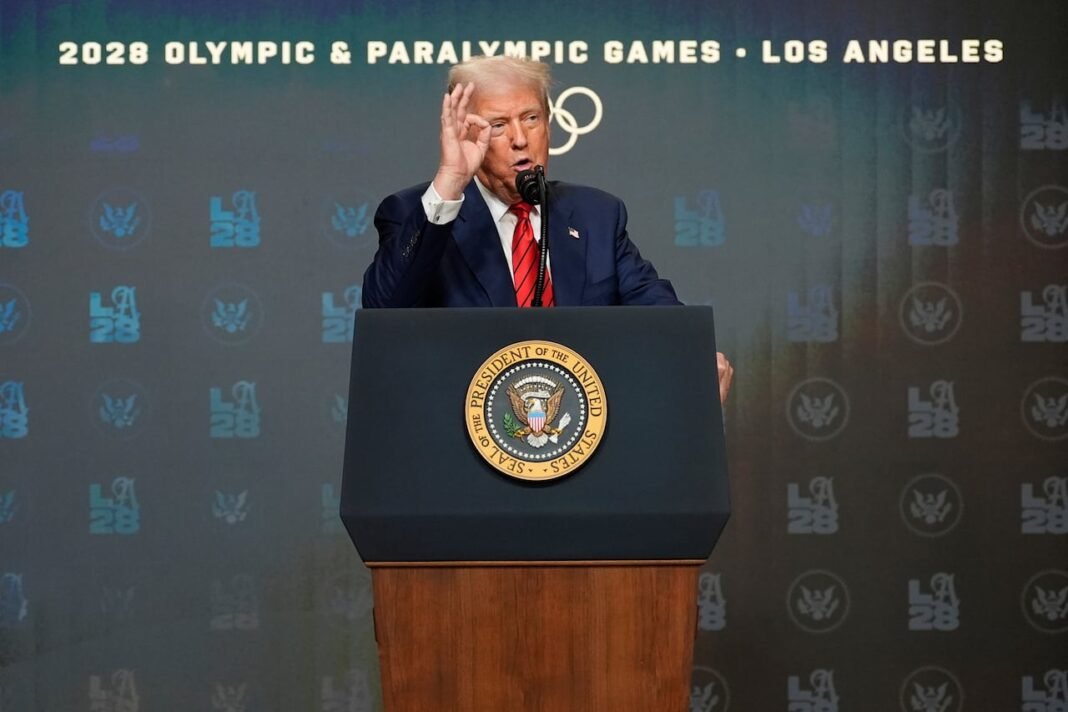
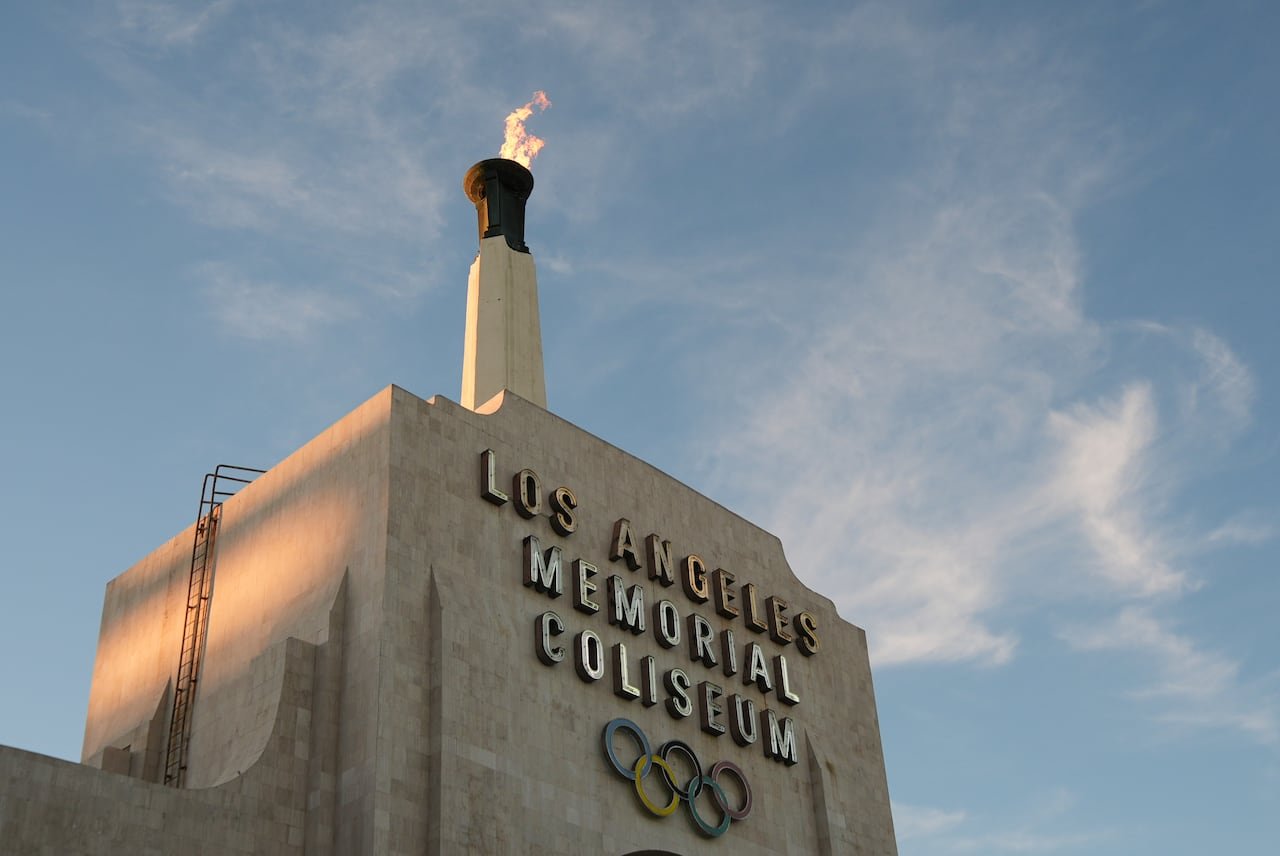
The World Anti-Doping Agency (WADA) is contemplating a significant policy shift that could prevent all representatives of the U.S. government, including the President, from attending the 2028 Olympic Games in Los Angeles. This potential restriction might also extend too officials during the upcoming FIFA World Cup, which the United States will co-host this summer.
This development arises amid escalating friction between WADA and Washington, as the U.S. has withheld millions in annual contributions due to disputes over doping case management on a global scale.
Origins of Conflict: Why Relations between WADA and the U.S. Have Strained
The United States’ decision to suspend payments to WADA is rooted in concerns about transparency and fairness within anti-doping investigations. A notable flashpoint was WADA’s acceptance of explanations for Chinese swimmers testing positive for banned substances at Tokyo 2020-where contamination claims led to their continued participation despite positive tests-triggering widespread criticism among stakeholders.
Tensions further deepened following WADA’s handling of Russia’s state-sponsored doping scandal ahead of the Sochi Winter Olympics in 2014, an episode that reshaped international perspectives on anti-doping enforcement rigor.
Financial Contributions and Enforcement Complexities
Operating with an estimated $60 million budget projected for 2025, funded equally by governments worldwide alongside support from organizations like the international Olympic Committee (IOC), WADA relies heavily on member nations’ dues scaled according to their athletic delegation sizes. The United States remains one of its largest financial backers.
Currently,unpaid fees from America have accumulated close to $7.5 million over two years-a shortfall prompting discussions about activating a newly proposed three-tier penalty framework aimed at non-compliant countries.
An Overview of Proposed Penalties Targeting Non-Paying Governments
- Level One: Issuance of formal warnings coupled with heightened monitoring concerning payment obligations.
- Level Two: Temporary suspension or limitation of privileges within international sports governance entities.
- Level Three: complete exclusion of government officials from attending or participating in major events such as World Championships and Olympic Games hosted domestically or abroad.
If these sanctions are implemented, prominent figures-including sitting presidents, vice presidents, or congressional members who have played roles securing funding for these events-could be barred from official attendance despite their political influence within host nations like the united States.
The Debate Over Symbolic Impact Versus Practical Enforcement
“Given its limited enforcement capabilities relative to sovereign powers,” noted a former national drug policy advisor involved with WADA’s leadership,
“it seems improbable that such an organization could effectively prevent high-ranking officials like a sitting president from entering venues within their own contry.”
Sustained Disputes Amid calls for Enhanced Transparency Within Anti-Doping Governance
The Office of National Drug Control Policy (ONDCP) continues pressing for greater openness and accountability reforms inside WADA before resuming financial contributions-a position consistently upheld across multiple administrations including both current Democratic leadership and prior Republican terms alike.
This stance follows revelations surrounding questionable resolutions where athletes tested positive under suspicious circumstances yet were cleared due to procedural loopholes or lenient interpretations-casting doubt on whether global anti-doping protocols maintain sufficient stringency today.
Athlete Perspectives: How Funding Shortfalls Threaten Clean Sport Initiatives
A spokesperson representing WADA emphasized that any decline in funding jeopardizes critical programs designed specifically to uphold fair competition worldwide.
“Ultimately,” they cautioned,
“athletes suffer most when resources dedicated toward clean sport efforts are reduced.”
Status Update: Timeline Considerations & Future Outlook on Rule Adoption
The authoritative body responsible-the WADA Foundation board-is slated to meet officially later this year; though, there remains scope for accelerated deliberations thru special sessions if urgency dictates.
This timing suggests new restrictions would likely not impact participation during this summer’s FIFA World Cup but could come into effect ahead of preparations leading up to LA28 Olympic activities scheduled mid-decade.
No definitive guidance has been issued regarding how bans might be practically enforced given jurisdictional overlaps between international federations such as FIFA/IOC versus sovereign nation rights concerning access control within domestic borders.
Navigating Complexities Ahead: The Future Landscape Of Global Sports Regulation
This evolving scenario underscores broader challenges faced by international sports authorities striving to reconcile geopolitical realities with commitments toward integrity in competition.
The coming years will test whether diplomatic engagement can resolve financial disagreements without undermining athlete protections or eroding public confidence surrounding marquee sporting events hosted by influential countries such as the United States itself.