Global Oil Markets face Volatility Amid Middle East strife and UAES OPEC Departure
Oil prices Surge as Geopolitical Risks Intensify
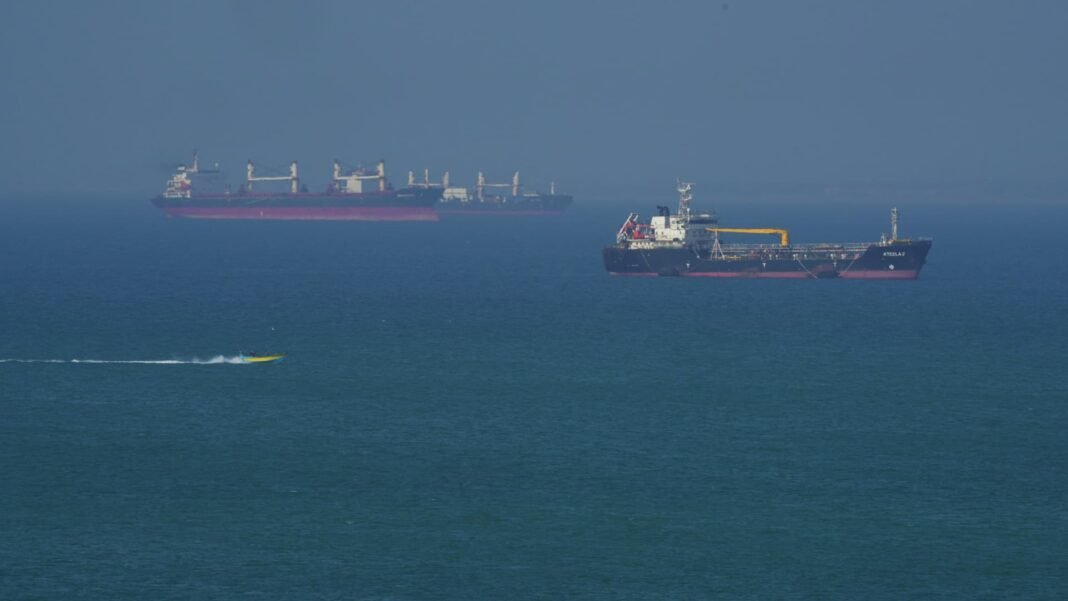
The strategic waters near Qeshm Island in Iran’s Strait of Hormuz, a vital artery for nearly 20% of the world’s oil shipments, have become a focal point amid escalating regional tensions.On April 28, 2026, the Ateela 2 oil tanker was observed navigating this critical passageway, underscoring ongoing concerns about supply security.
In response to these developments and the United Arab Emirates’ unexpected exit from OPEC, global crude benchmarks experienced notable price increases. Brent crude futures for June delivery jumped by 2.8%, reaching $114.37 per barrel early Wednesday morning Eastern Time-marking an eighth straight session of gains.
Meanwhile,U.S. West Texas Intermediate (WTI) crude futures surged even more sharply by 3.3%, settling at $103.18 per barrel for June contracts. Since hostilities erupted between the U.S., Israel, and Iran on February 28th this year, WTI prices have climbed over 49%, reflecting widespread fears about potential disruptions to oil supplies.
Prolonged Naval blockade Threatens Strait of Hormuz Traffic
The recent spike in prices coincides wiht reports that Washington intends to extend its naval blockade targeting Iranian ports along the Persian gulf coast-a move designed to tighten economic pressure on Tehran by restricting maritime traffic entering or leaving Iranian harbors.
This blockade aims to significantly reduce Iran’s ability to export oil amid ongoing conflicts and sanctions efforts. Given that nearly one-fifth of global petroleum trade passes through the Strait of Hormuz annually-approximately 21 million barrels per day-the implications for international energy markets are profound.
“Disruptions in this narrow waterway can send shockwaves through global energy supplies and pricing,” emphasizing how fragile current market conditions remain due to geopolitical instability.
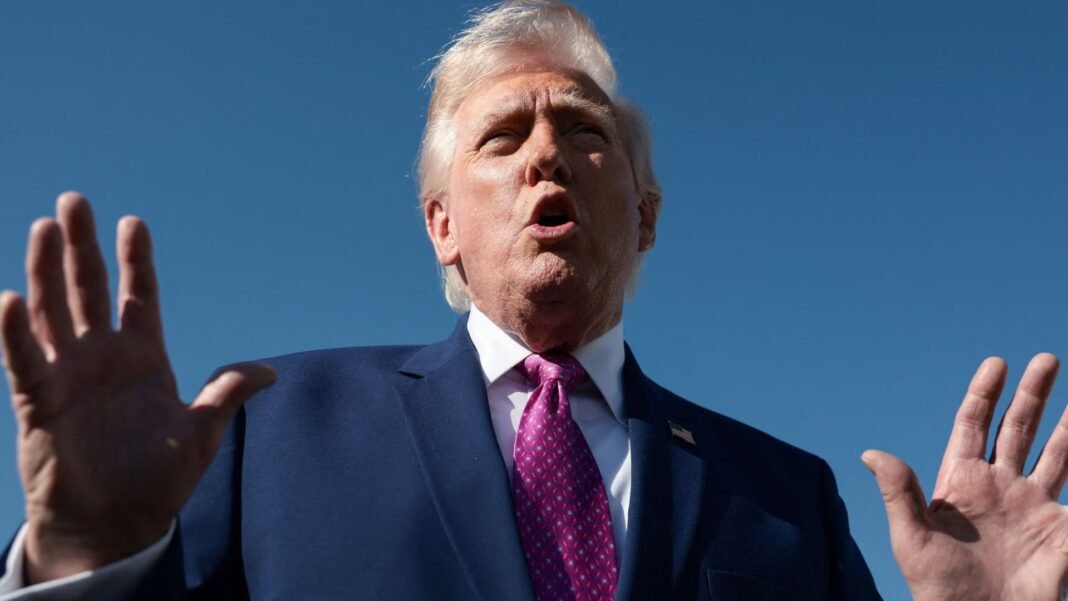
Tensions escalated further when President Trump issued a direct warning via social media toward Iranian leadership, urging them to reconsider their stance while criticizing their failure to engage constructively in diplomatic talks aimed at de-escalation.
Diplomatic Stalemate Prolongs Market Uncertainty
Efforts toward peace negotiations have stalled repeatedly over recent months with no clear resolution on horizon-extending uncertainty around when normal shipping operations might resume safely through this essential corridor for global energy flows.
The UAE’s exit from OPEC: Market Implications Explored
A major shift within producer alliances has also captured attention: after decades as an influential member state, the United Arab Emirates abruptly withdrew from OPEC earlier this year-a decision analysts believe will reshape future market dynamics but may not immediately alter supply volumes given prevailing geopolitical pressures.
- Dutch financial firm ING characterized UAE’s departure as a significant blow weakening OPEC’s unity and its ability to coordinate production policies effectively across member countries.
- This development could benefit large importers seeking more competitive pricing structures due to diminished cartel control over output quotas worldwide.
- Though, experts caution that short-term price fluctuations continue being driven primarily by conflict-related risks surrounding Iran and security challenges affecting Gulf shipping lanes rather than organizational changes within producer groups alone.
An Evolving Era in Global Energy Governance
The intersection of prolonged regional conflict near key maritime routes alongside structural shifts within major oil-producing coalitions signals a transformative period where traditional power balances face unprecedented tests. This evolving landscape impacts everything from refinery throughput across Asia-Pacific markets down to consumer fuel expenses globally-which have surged on average more than 15% compared with last year across OECD nations according to recent estimates.