Intensifying Global Oil Supply Challenges Amid Iran Tensions

Unprecedented Release of Oil Reserves Fails to soothe Market Strain
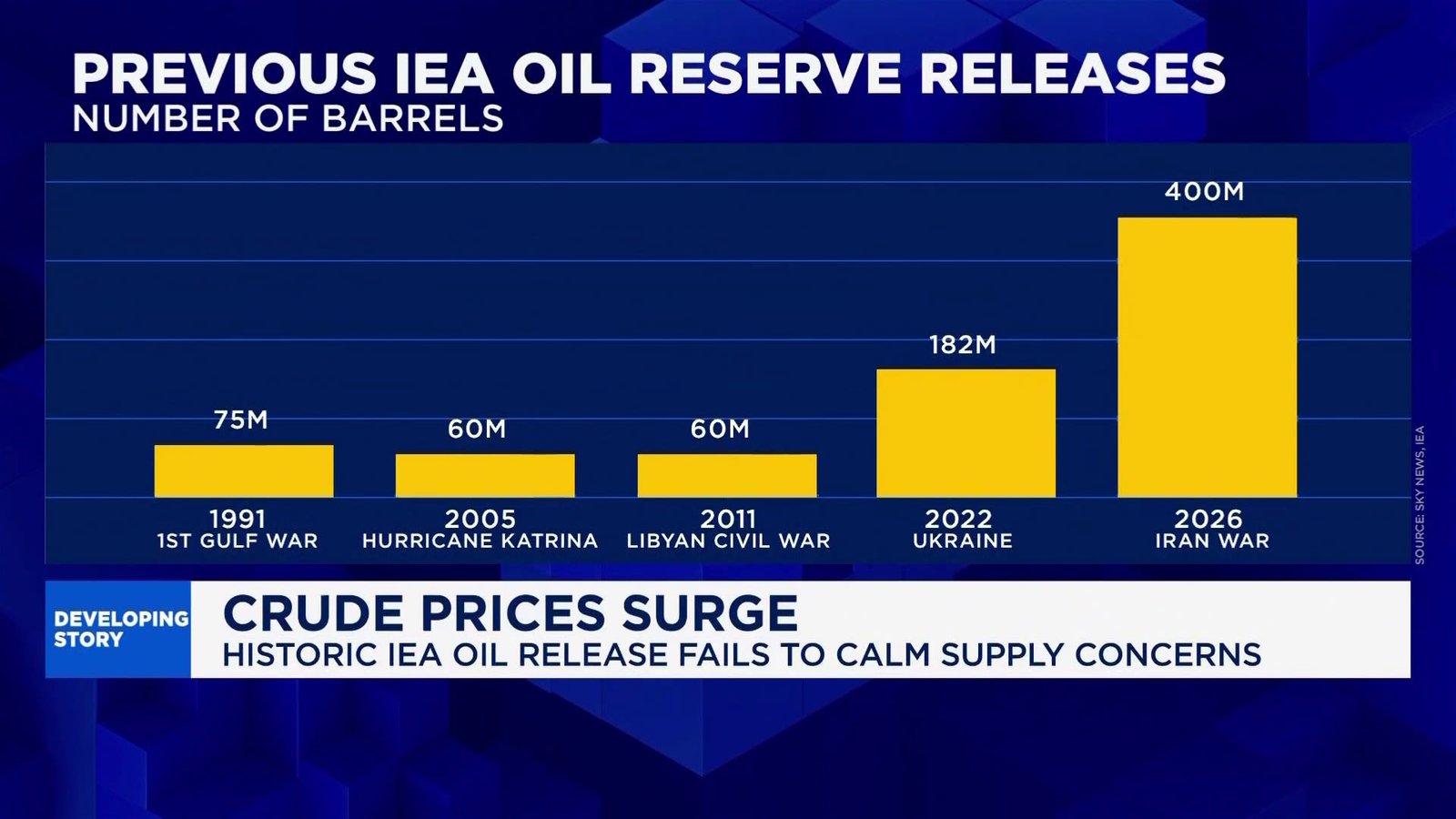
This week, teh international oil market revealed that even a historic coordinated release of crude reserves by the United States and its allies falls short in offsetting severe supply interruptions triggered by escalating conflicts involving Iran. Over 30 nations spanning Europe, North America, and Northeast Asia have collectively agreed to inject 400 million barrels of oil into global markets to alleviate soaring energy expenses. The U.S. leads this effort with a commitment of 172 million barrels, representing 43% of the International Energy Agency’s (IEA) total emergency stockpile deployment.
this action constitutes the largest synchronized emergency drawdown in the IEA’s fifty-year history-an institution dedicated to maintaining energy stability during geopolitical crises.
The Strait of Hormuz: A Strategic Bottleneck Under Siege
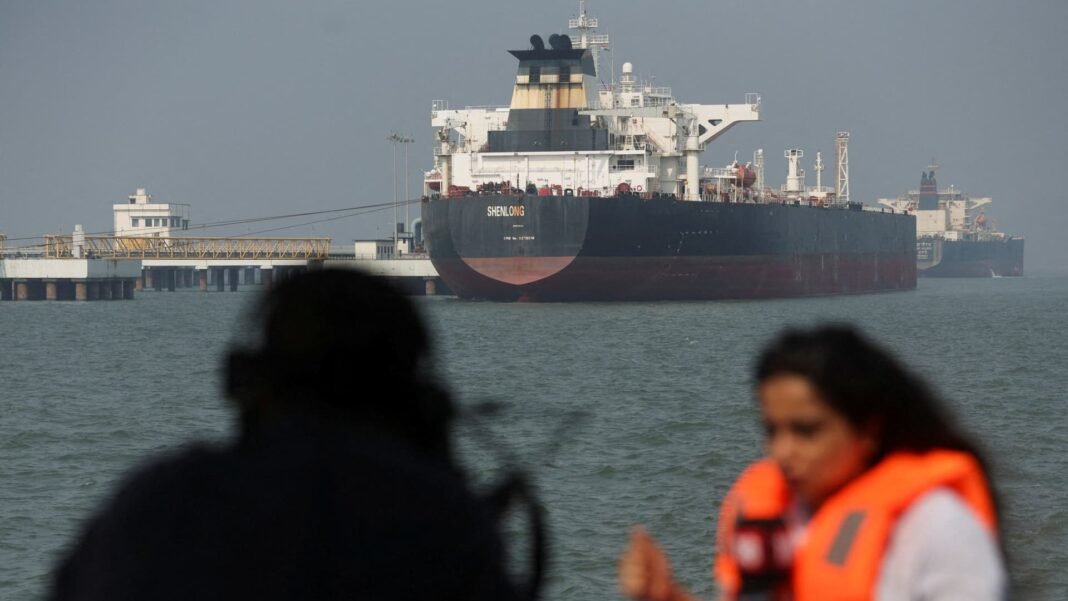
The core issue exacerbating supply shortages is the near-complete blockade of the Strait of Hormuz-a vital maritime passage through which roughly one-tenth (about 9 million barrels per day) of global oil production transits. Recent attacks on tankers within the Persian gulf and explicit Iranian government vows to sustain this closure indefinitely have intensified concerns over uninterrupted flow.
Tamas Varga,an analyst at PVM Oil Associates in London,highlights that these disruptions are central drivers behind current bottlenecks. Tom Liles from Rystad Energy adds that “until shipping lanes reopen fully, measures such as strategic reserve releases will only provide limited respite.”
Complexities Behind Supply Interruptions and Option Routes
Before tensions escalated, major Gulf producers including Saudi Arabia, Iraq, Kuwait, and UAE exported approximately 14 million barrels daily combined. While pipelines through Saudi Arabia and UAE can reroute around 5-6 million barrels per day via terminals on alternative routes like the Red Sea or Gulf of Oman, about two-thirds remain dependent on Hormuz passage-currently inaccessible due to hostilities.
Theoretically,400 million barrels could cover nearly 40 days’ worth of lost throughput at this chokepoint; however logistical constraints mean these reserves are released gradually over several months rather then flooding markets instantly.
Oil Prices Climb Despite Massive Reserve Deployments
The market has responded with persistent volatility: Brent crude futures-the global price benchmark-have surged more than 17% since Wednesday’s declaration and consistently traded above $100 per barrel for multiple sessions amid ongoing uncertainty about supply restoration timelines.
The daily volume released from strategic reserves is significantly lower than lost production capacity; for example, U.S. plans distribute their 172 million barrels over approximately four months at an average rate near 1.4 million bpd-covering only about 15% compensation for disrupted flows caused by Hormuz’s closure.
Divergent Member Contributions Challenge unified Response Efforts
The IEA allows each member country among its thirty-two participants discretion regarding timing and quantity beyond U.S.-led contributions. During last year’s crisis following russia’s invasion of Ukraine, members peaked at releasing roughly 1.3 million bpd combined; some experts speculate this could rise toward two million bpd if necessary but still falls short against current disruption scales.
“This approach provides essential breathing room but does not address basic supply deficits,” caution analysts from Bernstein in their latest evaluation.
sustainability Concerns Surrounding Strategic reserve Drawdowns
This massive release equates to depleting nearly one-third (33%) of total IEA member stockpile holdings estimated around 1.2 billion barrels globally-and close to a staggering forty-one percent reduction within just America’s Strategic Petroleum Reserve currently holding approximately 415 million barrels.
This raises critical questions regarding replenishment strategies post-crisis; recent statements suggest intentions exist for restoring stocks without imposing additional taxpayer burdens within twelve months after drawdowns conclude.
LNG Export Disruptions Compound Energy Security Risks Amid Strait Closure
An often-overlooked consequence involves liquefied natural gas (LNG), where almost one-fifth (20%)of worldwide LNG exports transit through Hormuz-a route now effectively blocked due to conflict-related restrictions.LNG plays an indispensable role powering electricity generation and heating across many regions worldwide; thus interruptions exacerbate broader energy security vulnerabilities beyond petroleum alone.
“While tapping into strategic reserves offers temporary relief,” warns tobin Marcus from Wolfe Research,“the ultimate solution hinges on reopening critical transit corridors like Hormuz – without which no volume released can stabilize markets sustainably.”
Ahead: Forecasting Price Volatility If Conflict Prolongs
- If hostilities extend beyond two months along key maritime routes such as Hormuz: Brent crude prices may escalate toward $110 per barrel within weeks;
- A four-month prolonged scenario could push prices up sharply toward $135 per barrel by mid-year;
- This surge might eventually dampen demand before emergency stock releases fully impact market availability;