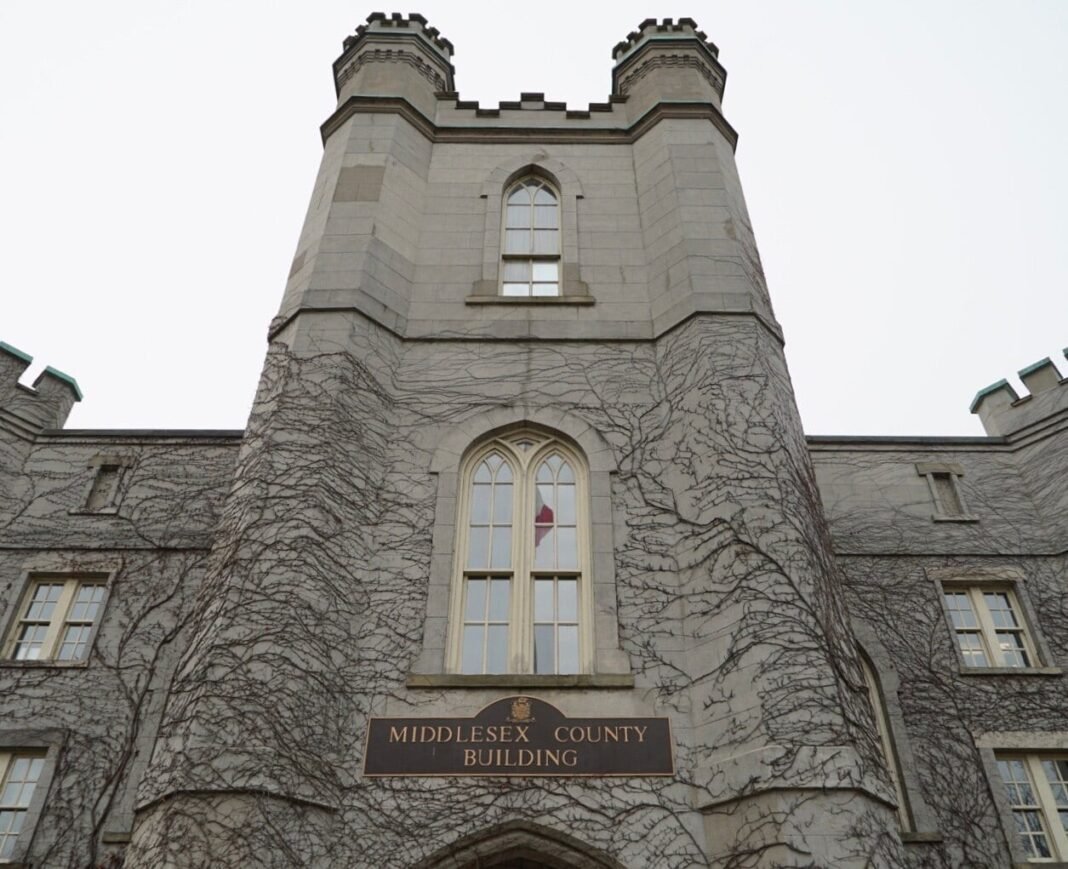
Preserving London’s Middlesex Courthouse Amidst Urban Expansion
Located in downtown London, Ontario, the Middlesex County Courthouse stands as a nearly two-century-old emblem of the city’s foundational history. As urban advancement accelerates, plans for a 54-storey residential tower next door have ignited debates about safeguarding this historic landmark from potential harm and legal vulnerabilities.
The Middlesex County Courthouse: A Historic Beacon of London’s Origins
This stately brick courthouse, designed with architectural elements reminiscent of medieval fortresses, has been central to London’s judicial and cultural narrative since its establishment nearly 200 years ago. It has witnessed pivotal trials that shaped local heritage, including cases that echo through Canadian history.
Longtime community guide Steve Liggett highlights its meaning by calling it “London’s most iconic building,” underscoring how deeply ingrained it is in the collective memory of residents across generations.
A Multifaceted Landmark adapting Over Time
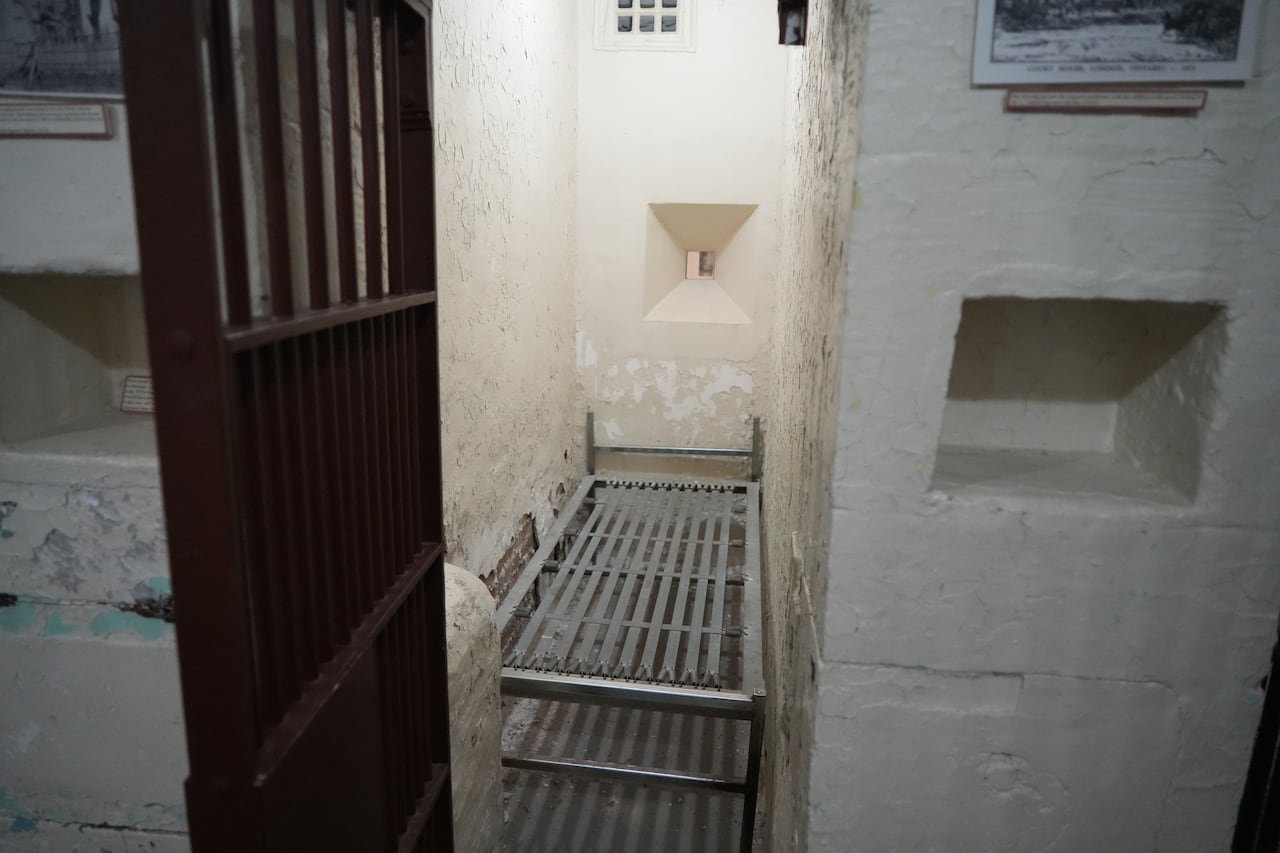
Originally known for hosting court sessions and even executions-such as that of Phoebe Campbell in 1872-the courthouse now serves varied community roles like weddings and municipal meetings. With county offices set to relocate by late 2026, stewardship will transition to private ownership, raising important questions about balancing preservation with contemporary urban demands.
New High-rise Development Raises Preservation Concerns
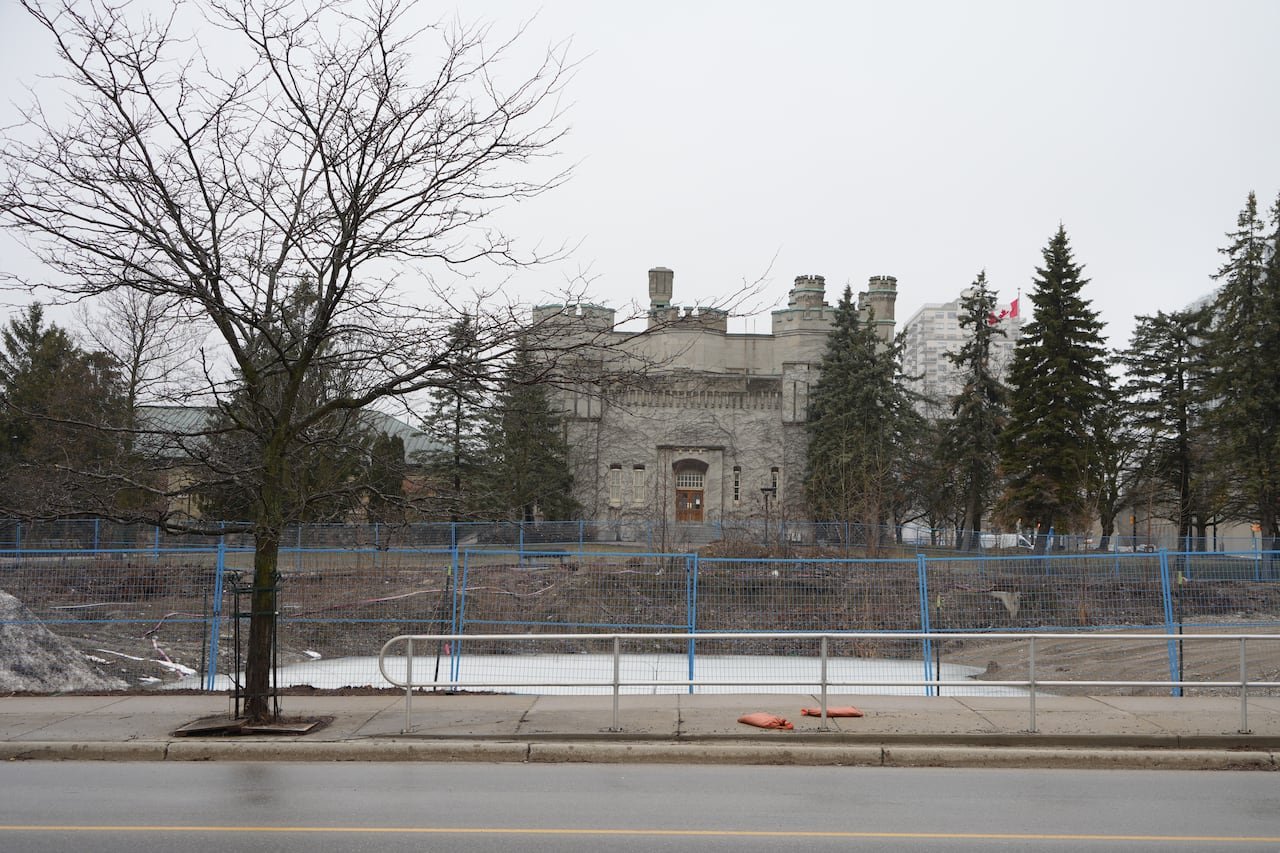
the adjacent property at 50 King Street is slated for an ambitious project: a towering residential complex featuring approximately 800 units spread over 54 storeys. This massive structure threatens not only to visually dominate the historic courthouse but also poses risks related to construction activities near such an aged building.
Engineering Challenges linked to Close-Proximity Excavation
The planned construction involves digging four underground parking levels within roughly sixteen metres from the courthouse walls-a proximity that alarms engineers and heritage advocates alike due to potential vibrations and structural strain during excavation. A recent heritage impact assessment categorized these risks as having moderate potential impact on the integrity of this protected site.
To address these concerns, developers intend to implement continuous vibration monitoring systems alongside certifications from qualified structural engineers throughout all phases of construction aimed at minimizing damage risks.
The Intricacies of heritage Protection Frameworks in Canada
This case highlights ongoing challenges within Canada’s system for protecting nationally significant sites like the Middlesex County Courthouse. Even though designated as a National Historic Site-a recognition affirming its cultural value-this status does not confer enforceable legal safeguards against alterations or demolition when properties are privately owned.
“National historic designation recognizes importance but lacks binding protection,” explains patricia Kell from Canada’s leading heritage trust association. “Unlike many G7 nations where federal laws strictly protect such landmarks, Canada depends heavily on provincial statutes and municipal bylaws.”
A Fragmented Legal Landscape Creates Preservation Gaps
The courthouse’s protection relies primarily on provincial legislation combined with local bylaws and conservation easements established decades ago-such as, one dating back to 1981 specifically tied to this property-that regulate modifications ranging from window replacements to major renovations or demolitions.
Diverse Expert Opinions on Heritage Governance
- Heritage Consultants: Many view federal recognition more as symbolic than regulatory; actual preservation efforts fall under local government jurisdiction rather than national enforcement mechanisms.
- Civic Authorities: Municipal planning departments play crucial roles by requiring detailed reviews-including engineering assessments-to ensure historical assets remain safeguarded amid nearby developments.
Navigating Urban Growth While Honoring Historical Legacy
Cities across Canada face similar tensions between accommodating population growth and preserving their unique historical identities. As an example, Toronto’s redevelopment around Ontario Place demonstrates how public landmarks can be transformed despite their cultural significance due partly to gaps in protective legislation at higher government levels-highlighting systemic challenges nationwide.
A Growing Call for Stronger Federal Heritage Legislation?
Lacking binding federal protections leaves many advocates pushing for reforms aimed at establishing more robust oversight mechanisms nationwide-especially critical given mounting urban development pressures threatening irreplaceable landmarks such as London’s courthouse complex today.
Middlesex Courthouse: Bridging History with Contemporary Urban Realities
This venerable institution remains deeply intertwined with London’s identity amidst rapid modernization surrounding it; ensuring its preservation demands cooperative efforts between responsible developers committed to sensitive construction practices alongside vigilant municipal governance supported by evolving legislative frameworks tailored specifically toward conserving heritage sites throughout Canadian cities moving forward.