Global Naval Strategies and the Strait of Hormuz: Managing Heightened Regional Strains
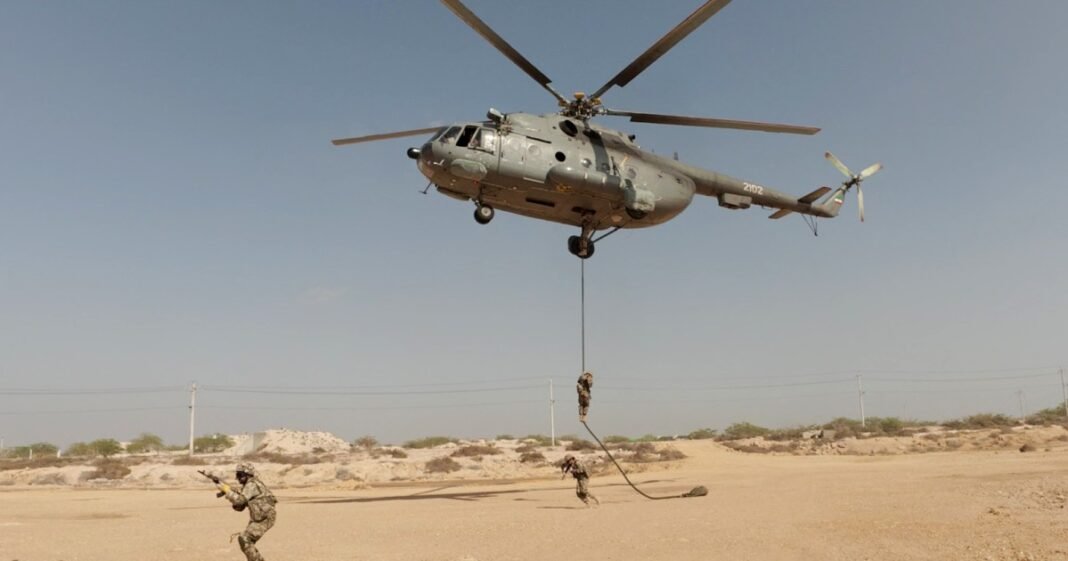
The recent appeal by the US president for allied naval forces to safeguard the Strait of Hormuz has ignited a multifaceted international reaction amid growing tensions in this pivotal region. Iran’s Revolutionary Guard responded defiantly, challenging any foreign naval presence with a provocative statement: “let them send their ships.”
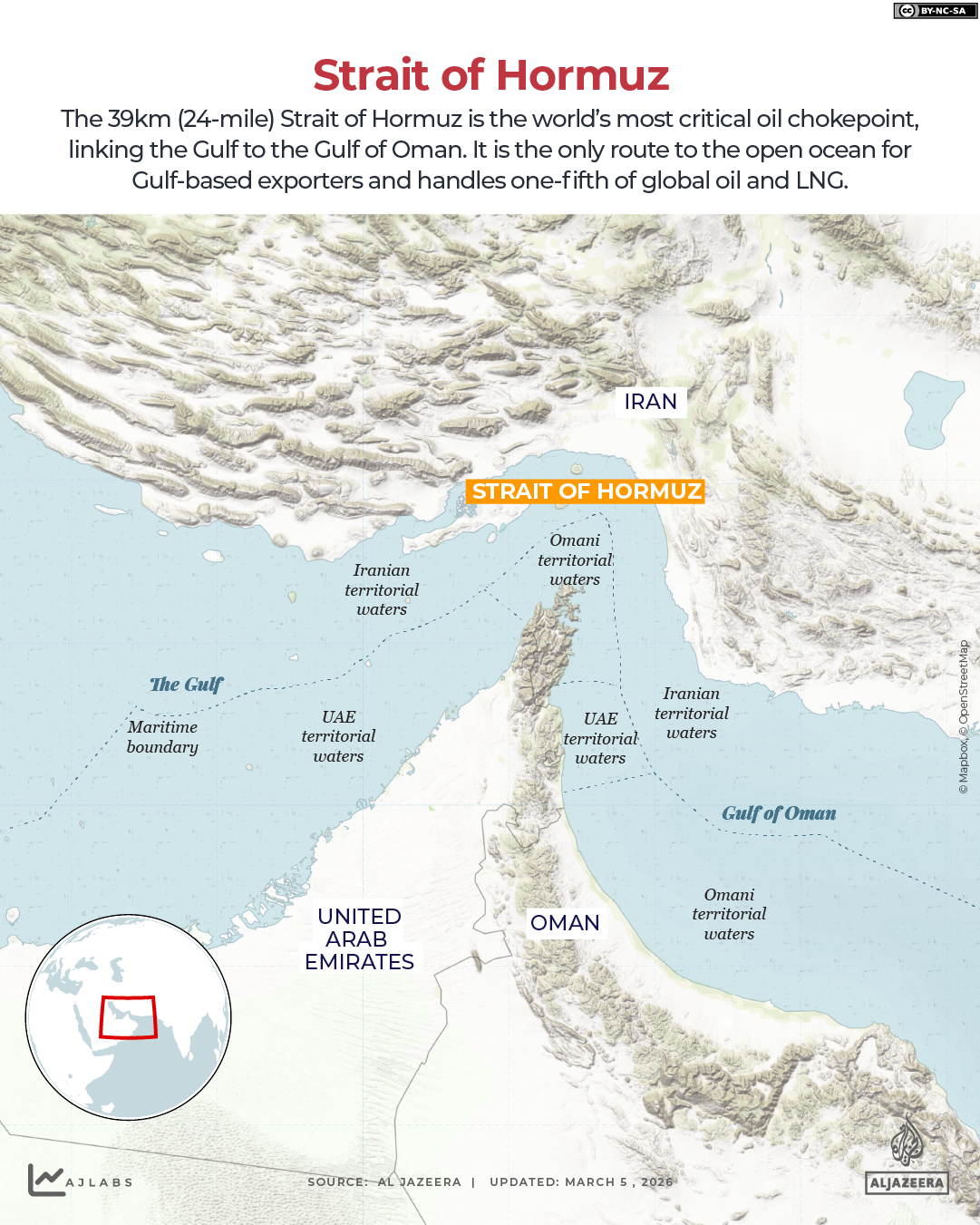
Why the Strait of Hormuz Is Vital Amid Surging Oil Costs
As one of the world’s most crucial maritime chokepoints, the Strait of Hormuz channels nearly 20% of global oil exports. Interruptions here have pushed crude prices above $115 per barrel in mid-2024, reflecting escalating geopolitical risks tied to intensified US and Israeli military pressure on Tehran.
The US president called on nations including China, France, Japan, South Korea, and the UK to deploy warships alongside American vessels to guarantee safe navigation through this essential waterway. He stressed that these countries are directly affected by what he termed an “artificial blockade” imposed by Iran.
Varied International Responses: Hesitation Amid Diplomatic Talks
No nation has yet formally committed to joining a multinational naval coalition despite these calls. The US Secretary of Energy disclosed ongoing discussions with several governments and expressed cautious optimism about China perhaps playing a stabilizing role in securing passage through Hormuz.
A representative from china’s embassy in Washington reiterated Beijing’s position that all parties share responsibility for maintaining uninterrupted energy flows but stopped short of committing military support. Instead, China advocates diplomatic engagement aimed at de-escalating tensions.
Diverse European Views on Military Involvement
- France: Paris is reportedly considering an international escort mission but insists it will only proceed once hostilities considerably subside.
- Germany: Foreign Minister Johann Wadephul expressed reservations about direct involvement, emphasizing Germany’s reluctance to become militarily entangled in this conflict.
- United Kingdom: Prime Minister Keir Starmer has engaged with President Trump regarding reopening Hormuz to ease disruptions impacting global shipping lanes.
The Iranian Stance and Regional Negotiations
Iran maintains that while it generally keeps the strait open for commercial traffic, access is denied specifically to US-led forces and their allies. Iranian Foreign Minister Abbas Araghchi confirmed multiple countries have requested permission for safe transit through Iranian-controlled waters-a decision ultimately resting with Tehran’s military authorities.
A recent example involves India successfully obtaining transit rights for two Indian-flagged liquefied natural gas tankers passing through Hormuz without incident.Indian External Affairs Minister S Jaishankar emphasized ongoing dialog focused on practical solutions amid rising regional strains.
“From India’s perspective, coordination coupled with pragmatic engagement remains vital,” Jaishankar remarked during discussions addressing maritime security concerns related to trade routes in this volatile area.
Maritime Incidents Amplify Global Trade Disruptions
The conflict has already seen over twelve oil tankers targeted or damaged as early 2024 according to data compiled from UK Maritime Trade Operations (UKMTO), International Maritime Association (IMO), as well as Iraqi and Iranian sources. Approximately 1,200 vessels currently face delays or rerouting due to restricted access around Hormuz-exacerbating supply chain challenges worldwide.
This disruption directly contributes to volatile energy markets where prices hover near historic highs not witnessed as Middle East crises over fifteen years ago. Despite market instability though some analysts remain skeptical about rapid resolution given entrenched geopolitical rivalries involved across multiple actors.
Skepticism Surrounding Coalition Formation Among Major Powers
An expert from an international policy think tank voiced doubts regarding China’s willingness to commit naval assets alongside Western powers given it’s continued considerable imports of Iranian oil despite sanctions targeting other nations aligned with Washington or Tel Aviv.
“China gains strategic advantage under current arrangements; deploying warships could contradict its national interests,” she observed.
iranian Military Challenges U.S Naval Assertions Head-On
A spokesman for Iran’s Revolutionary Guard Corps publicly dismissed claims made by President Trump about crippling Iran’s navy during recent confrontations.
“If America truly believes its navy dominates ours so decisively,” Brigadier-General Ali Mohammad Naini declared,
“then let them prove it by sending their ships into Persian Gulf waters.”
Navigating forward: Diplomacy Versus Military Posturing
- The evolving scenario demands nuanced diplomacy among affected states striving for uninterrupted energy flows while avoiding escalation into wider conflicts;
- Nations must balance economic dependencies against security commitments when contemplating participation in multinational naval operations;
- Mediation efforts focusing on confidence-building measures could pave pathways toward reopening critical sea lanes without resorting solely to force;
- Sustained dialogue between Tehran and regional stakeholders remains essential amid shifting alliances shaped by changing global power dynamics;
- The coming months will determine whether proposed coalitions materialize or if unilateral actions further complicate stability across one of Earth’s busiest maritime corridors.