The Transformation and Growth of U.S. Auto Dealerships
Shifting from Local Roots to Industry-Wide Changes
Back in 1972, a Chevrolet dealership was launched on Main Street in the small community of Peckville, Pennsylvania, by a dedicated family head. Over the years, this dealership became a cornerstone for residents near Scranton. Recently, however, the Sylvester family chose to transfer ownership of their long-established business to a dealer group headquartered in New York.
Derek Sylvester, now 67 and approaching retirement age, shared that smaller dealerships increasingly struggle with profitability unless they expand significantly.”Size is crucial,” he remarked.The fast-paced evolution of the automotive sector-with its surge toward electric vehicles (EVs), integration of artificial intelligence technologies within cars, and stricter manufacturer mandates-has made it tough for independent operators to keep up.
Consolidation Trends: The Emergence of Large-Scale Dealers
The car retail industry across America is experiencing profound change as many conventional mom-and-pop dealerships are being absorbed into larger conglomerates.This reflects wider market dynamics where vehicle sales form part of an industry valued at over $1 trillion annually and attracting considerable investor interest.
- Recent figures from the National Automobile Dealers Association (NADA) reveal that although most franchised dealers still run fewer than six locations-a hallmark of small businesses-the largest dealership groups have notably increased their share over the past decade.
- The top 150 dealer groups were responsible for approximately 27% of all new vehicle sales in 2025-up from just above 21% ten years prior.
- These dominant entities now control about one-quarter of all dealerships nationwide compared with less than one-fifth ten years ago.
Major Public Players and Innovative Entrants
Lithia Motors and AutoNation stand out as publicly traded giants boasting market capitalizations exceeding $6 billion each. Lithia’s aggressive growth strategy has propelled its revenue from $8.7 billion in 2016 to nearly $38 billion recently while expanding its store count from under 160 locations to more than 450 across numerous states.
Meanwhile, online used-car retailer Carvana holds an impressive valuation around $74 billion-surpassing many traditional automakers-and has quietly begun acquiring new vehicle franchises without disclosing detailed future plans yet.
The Mechanics Behind Dealership Consolidation
This consolidation wave stems largely from what insiders describe as a “grow-or-die” surroundings within automotive retailing. NADA data shows that while roughly nine out of ten dealers still operate five or fewer stores-a slight decrease since the mid-2010s-the number managing between six and twenty-five outlets continues rising steadily. Even those running fifty or more locations have doubled their presence percentage-wise over recent years.
“Consolidation will persist at every level,” said brian Gordon from Dave Cantin Group, an advisory firm specializing in dealership transactions.
“Small family-run shops are evolving into larger enterprises because competing effectively demands scale.”
A Regional Expansion Story: Matthews Auto Group
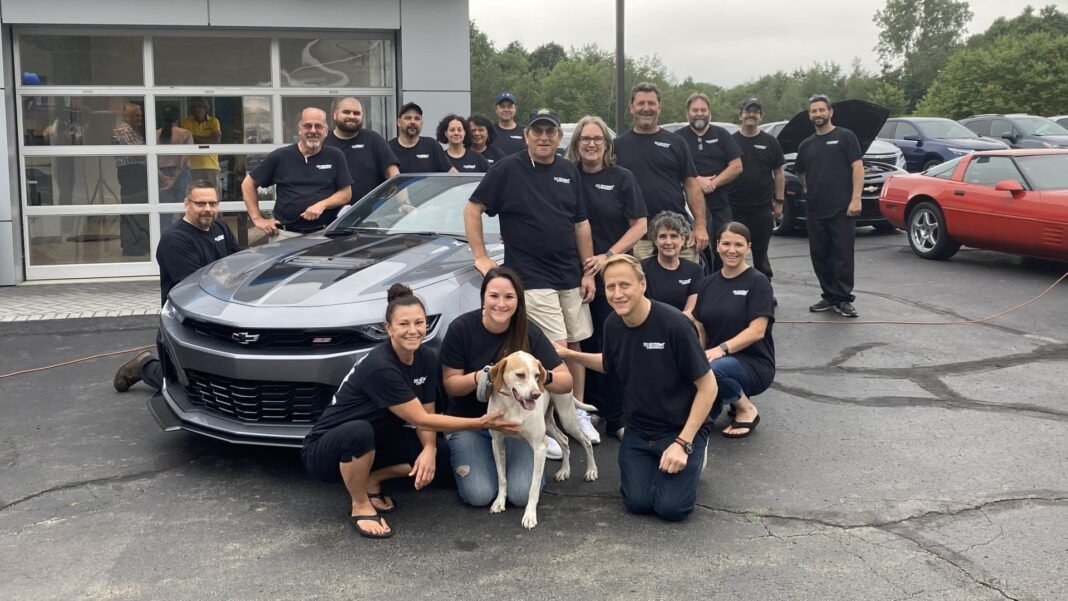
An example illustrating this trend is Matthews Auto Group based in Vestal, New York-a company founded with a single Chrysler-Plymouth store back in 1973 that now operates eighteen locations generating close to $800 million annually with around eight hundred employees serving markets across New York and Pennsylvania.
This group recently acquired Sylvester Chevrolet under guidance provided by Dave cantin Group advisors who facilitate dozens such deals yearly amid increasing merger activity expected throughout this year as well.
Mega-Dealers’ Growing Market Power & Investor Appeal
Sonic Automotive exemplifies another publicly traded company capitalizing on expansion opportunities; growing its franchised dealerships count from under one hundred stores five years ago to over one hundred thirty today while boosting revenues by nearly sixty percent last year alone through ventures like echopark used car outlets alongside powersports divisions.
“The potential for growth remains enormous,” Sonic Automotive President Jeff Dyke stated.
“while mom-and-pop dealers add value locally they must modernize operations.”
Investor Confidence Amid Evolving Market Dynamics
Even though pandemic-driven profit surges have somewhat normalized post-COVID-19 lockdowns analysts highlight sustained strong investor demand for franchised dealerships due partly to regulatory protections unique within U.S auto retail systems where manufacturers cannot sell directly except through authorized dealers:
- Earnings potential continues climbing alongside intensifying competition among private equity firms and family offices targeting limited available franchises;
- This finite supply combined with steady consumer demand creates attractive acquisition prospects;
The Road Ahead: Challenges confronting Small Dealerships
Talon Fee at Dave Cantin Group points out several factors complicating survival chances for smaller independent operators:
- Lack of succession planning often compels owners toward selling rather than continuing operations;
- Evolving industry requirements necessitate reinvestment which some owners hesitate or cannot afford;
- An influx of outside capital seeking partnerships also raises competitive pressures;
Navigating Disruption From direct-to-Consumer Sales Models
A further challenge disrupting traditional franchise models comes from emerging EV manufacturers like Tesla, Rivian,and Lucid Motors attempting direct sales bypassing conventional dealer networks altogether-often engaging legal battles over state laws restricting such practices-for instance Rivian’s recent ballot initiative victory permitting direct sales highlights shifting regulatory landscapes profoundly impacting future dealership roles .
A Personal Transition Amid Industry Evolution
< p > Reflecting on his decision Derek Sylvester expressed appreciation : “it’s been an astonishing journey supporting our community’s growth . Now , it feels right to let others bring fresh resources so our team can thrive .” He plans retirement focused on managing his expansive farm property nearby .< p > This narrative echoes countless other family-owned businesses facing crossroads shaped by technological innovation , economic realities ,and changing consumer expectations – underscoring how America’s auto retail sector rapidly evolves beyond familiar traditions .