Yemen’s Currency Turmoil: Stabilization Measures spark cash Deficit
In response to the rapid decline of the Yemeni riyal, authorities have introduced a series of measures aimed at halting its freefall. Even though these initiatives have somewhat curbed the currency’s depreciation, they have together triggered a severe shortage of physical cash in key urban areas.
Steps Taken to Reinforce the Riyal’s Value
The Central Bank, operating from Aden, has implemented strict policies including closing down unauthorized currency exchange outlets accused of speculative activities. Additionally, it centralized remittance processing under tighter supervision and formed a regulatory committee responsible for managing imports and distributing foreign currency among traders.
These interventions helped reduce the riyal’s exchange rate from nearly 3,000 per US dollar several months ago to around 1,500 today. while this enhancement initially raised hopes for economic recovery among Yemenis, it has been overshadowed by an acute scarcity of cash circulating in local markets.
Cash Shortages Disrupt Daily Transactions
Cities such as Aden, Taiz, and Mukalla-under goverment control-are grappling with unprecedented shortages of Yemeni riyals. Residents holding foreign currencies like Saudi riyals or US dollars face difficulties as banks and exchange offices either refuse conversions or impose stringent daily limits sometimes as low as 50 Saudi riyals per person due to limited local cash reserves.
This lack of accessible liquidity restricts people from utilizing their savings held in hard currencies amid soaring inflation rates exceeding 40% annually. Consequently, many businesses are paralyzed while black market operators exploit demand by offering unfavorable exchange rates on foreign money.
The Impact on Small Enterprises
Mariam Saleh runs a small convenience store in Mukalla but recently had to close temporarily after spending hours trying-and failing-to convert customer payments made in Saudi riyals into usable local currency. “I visited several exchange shops; none would convert more than 50 riyals,” she shared. “It drains time and resources without any success.”
A Decade-Long Economic Collapse Amid Conflict
The prolonged conflict between Yemen’s internationally recognized government backed by Saudi Arabia and Houthi forces supported by Iran has devastated the nation’s economy for over ten years. Both sides have targeted each other’s revenue sources-crippling public finances-and leaving essential services unfunded while salaries remain unpaid or irregularly disbursed.
Central Bank Responses & salary Distribution Challenges
The Central bank acknowledged this liquidity crisis during recent meetings and outlined plans combining immediate relief efforts with long-term strategies designed to stabilize inflation while maintaining cautious monetary policies.
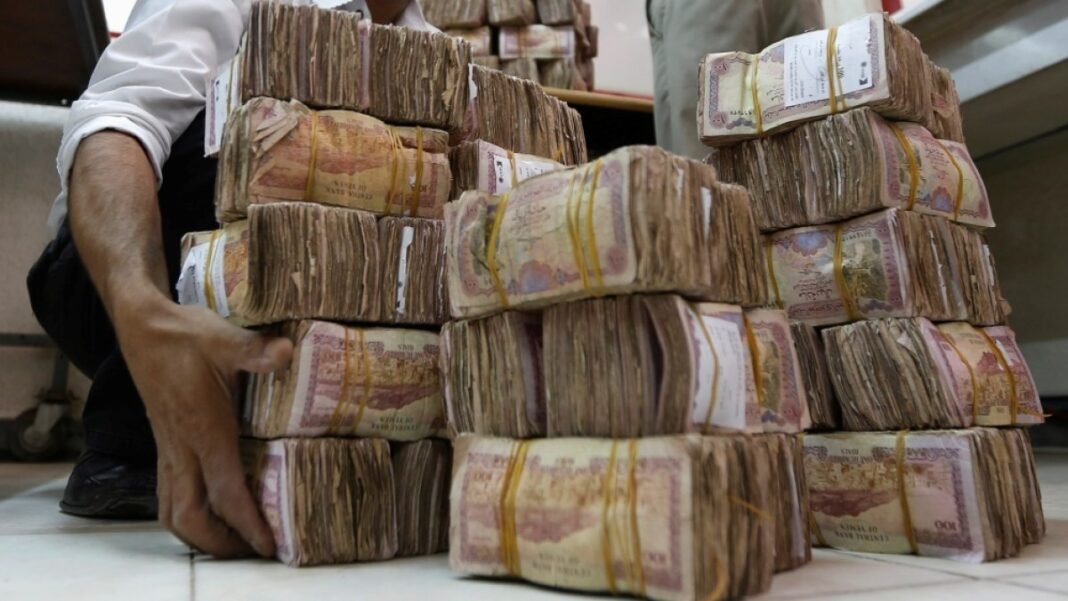
Government employees report receiving wages mostly in small-denomination notes (primarily 100-riyal bills), forcing them to carry bulky stacks just to cover basic expenses-a situation that complicates everyday transactions further due to merchants’ reluctance toward accepting large quantities of low-value bills.
Navigating Cash Constraints: Adaptive Strategies Among Yemenis
- Credit based on trust: Many rely on shopkeepers who allow deferred payments until funds become available;
- Bargaining directly at retail points: Some negotiate exchanges within grocery stores despite receiving less favorable rates;
- Diversified payment options: Banks offer online transfer services easing some pressure but remain inaccessible for rural populations lacking internet connectivity;
A resident from hadramout’s Dawan district described his struggle converting remittances sent from abroad: although officially valued near 410 yemeni rials per Saudi rial, he managed only partial conversion at discounted rates around 400 before repeatedly returning due to widespread unavailability of physical cash elsewhere.
The Importance Of Social Networks In Overcoming Liquidity Barriers
An operator running a travel agency explained how personal relationships within financial institutions help bypass some restrictions caused by liquidity shortages: “When I need local currency for payroll or utilities,” he said, “I depend on trusted contacts inside money exchange firms who understand our needs despite their own challenges.” This underscores how social capital can alleviate-but not fully resolve-the hardships created by systemic financial constraints.
sectors Under Pressure: Healthcare And Commerce Examples
“Patients denied medication as hospitals reject payment in foreign currencies reveal how deeply this crisis affects vital services,” locals report via social media where stories circulate about families forced into desperate searches for acceptable payment methods amid hospital refusals linked directly to currency issues.”
A family member recounted repeated failures paying medical bills using Saudi riyals after being turned away multiple times; such incidents highlight growing public frustration over inconsistent acceptance policies exacerbated by ongoing cash shortages.
- A clothing retailer based in Mukalla noted an unexpected benefit amid turmoil: accepting both Yemeni rials and discounted Saudi riyals attracts customers while securing needed foreign currency supplies at lower costs compared with official channels.”
The Path Forward: Harmonizing Currency Stability With Cash Accessibility
The government’s recent efforts mark progress toward stabilizing Yemen’s volatile monetary environment but reveal unintended consequences affecting everyday commerce-from small business owners struggling with limited access to liquid funds through healthcare providers facing payment dilemmas-all emphasizing urgent needs for extensive solutions addressing both monetary stability and sufficient availability of physical cash across all regions including rural areas where infrastructure remains fragile.