Revolutionary Milestone in Humanoid Robot Half-Marathon Running
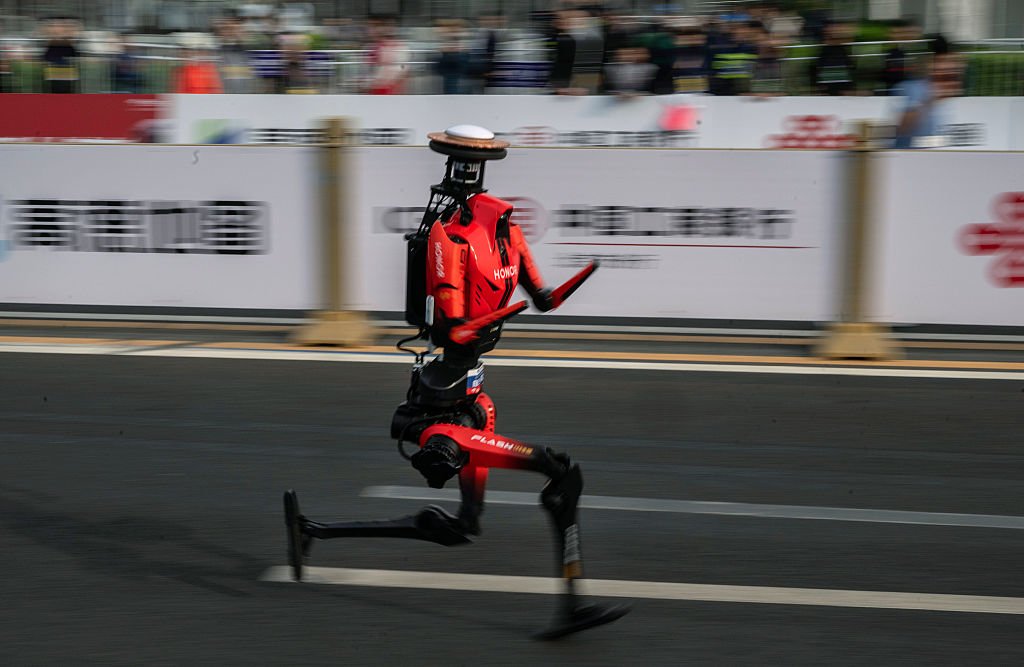
A groundbreaking moment in robotics unfolded as a humanoid robot completed the Beijing half-marathon in an astounding time of 50 minutes and 26 seconds.This feat not only demonstrates notable technological progress but also eclipses the current human world record of 57 minutes, held by elite athlete Jacob Kiplimo.
Setting New Standards: Robots Challenging Human Endurance
At first glance, comparing robotic running times to those of humans might seem like an uneven match-akin to claiming “my electric bike can outrun a racehorse.” Yet, the rapid advancements are undeniable. Just twelve months ago, the fastest robot required over two hours and 40 minutes to complete this same course, underscoring a remarkable surge in robotic speed and stamina.
The Engineering Marvel Behind Autonomous Success
This record-breaking autonomous runner was engineered by Honor, a leading Chinese smartphone company renowned for innovation. Notably, another Honour-built robot finished even faster at 48 minutes and 19 seconds; however, it was controlled remotely rather than operating independently. The official victory went to the autonomous machine based on weighted scoring criteria prioritizing self-navigation.
Varied Robot Participation and On-Track Obstacles
Data from Beijing’s E-Town technology hub reveals that roughly four out of every ten robots competed autonomously during this event. The majority relied on remote control systems instead. The race wasn’t without challenges-several robots experienced setbacks such as tripping immediately after the start or colliding with barriers along the route.
The Future Landscape of Robotic Athletic Competitions
The swift evolution seen in humanoid robot racing mirrors global trends where machines increasingly master complex physical tasks once thought exclusive to humans. For example, recent demonstrations have featured robots adeptly navigating urban environments with agility rivaling professional athletes’ performance levels.