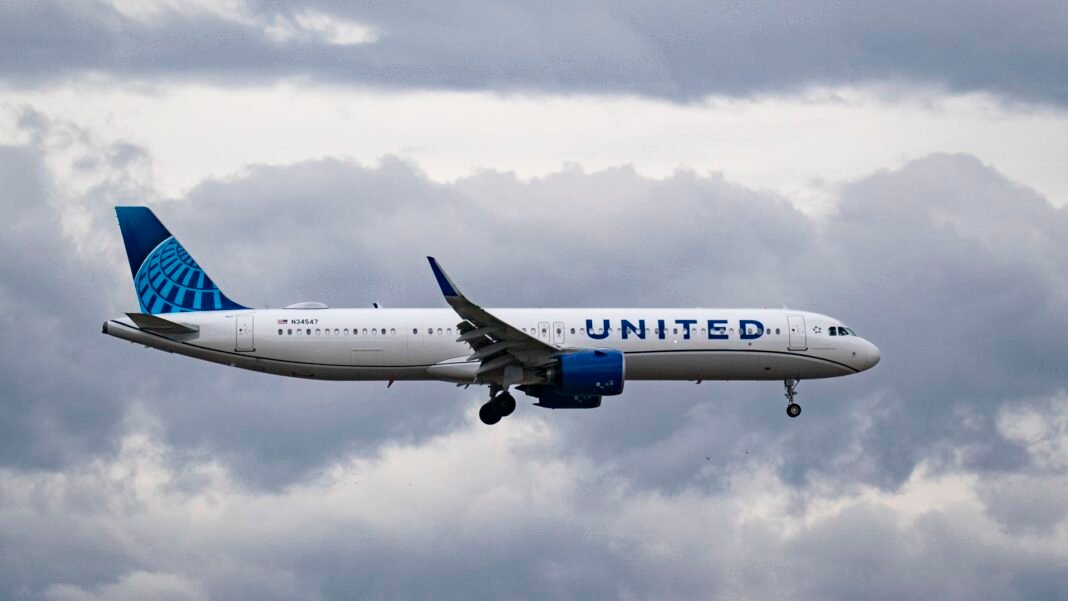
United Airlines Adjusts 2026 Profit Forecast in Response to Rising Jet Fuel Expenses
How Increasing Jet Fuel Prices Are Reshaping united’s financial Projections
United Airlines has significantly revised downward its earnings forecast for 2026, attributing the change to a steep rise in jet fuel costs driven by ongoing geopolitical tensions involving Iran. The airline now expects adjusted earnings per share (EPS) to range between $7 and $11, a marked reduction from the previous estimate of $12 to $14 per share announced before the regional conflict intensified.
This adjustment mirrors challenges faced across the aviation industry as fuel prices have surged more than 60% since early 2026. To counterbalance these rising expenses, United is reducing certain flight operations this year as part of its cost-control measures. Market analysts had already moderated their outlooks,with consensus estimates settling near $9.58 EPS for full-year adjusted earnings.
Strong Revenue Growth Amidst Cost Headwinds in Q1
For the quarter ending March 31, United posted an adjusted EPS of $1.19, exceeding analyst expectations of $1.07. Total revenue increased by over 10% year-over-year, reaching approximately $14.61 billion compared to $13.21 billion during the same period last year.
The company’s net income surged nearly 80%, hitting around $699 million or roughly $2.14 per share versus a net income of about $387 million ($1.16 per share) a year earlier when excluding one-time items.
A major contributor was higher unit revenue across all business segments; domestic flights alone experienced an almost 8% increase in revenues to about $7.9 billion-demonstrating strong pricing power despite inflationary pressures affecting consumers globally.
Jet Fuel price Dynamics and Capacity Strategy
The average price for jet fuel at U.S markets recently settled near $3.51 per gallon, down from an April peak close to $4.78, yet still considerably above pre-conflict levels under $2.40. To manage these elevated costs, United plans modest capacity growth in Q2-projecting flat or up to a 2% increase following a first-quarter expansion rate around 3.4%.
The airline anticipates that fare hikes will cover between 40% and 50% of incremental fuel expenses during Q2; this coverage ratio is expected to improve steadily throughout the remainder of the year and could reach full offset by year’s end as ticket prices adjust further upward.
Diversifying Customer Segments Bolster Revenue Stability
The travel sector continues benefiting from resilient demand despite rising ticket prices and additional fees such as baggage charges designed to transfer higher operational costs directly onto passengers.
An expanding group consists of travelers willing to pay premium rates for enhanced comfort and convenience-similar in concept to how boutique hotels attract clientele less sensitive to price fluctuations even amid economic uncertainty worldwide.
Mergers on the horizon? Industry Consolidation Discussions Resurface
Mergers remain a hot topic among airline executives this quarter as United’s CEO faces inquiries regarding potential consolidation strategies aimed at strengthening market position amid volatile conditions.
This follows reports that merger talks were previously held between United and American Airlines leadership; however, political opposition-including public concerns voiced by former President Donald Trump over reduced competition-has intricate such efforts.
Simultaneously occurring, American Airlines has officially denied recent merger discussions with United while low-cost carrier Spirit Airlines remains under scrutiny due both financial difficulties and interest from larger airlines exploring strategic acquisitions or government support options alike.
- earnings Per Share (Q1): $1.19 adjusted vs expected $1.07
- total Revenue (Q1): $14.61 billion vs expected $14.37 billion
- Net Income Growth: Up nearly 80% YoY reaching approximately $700 million
Aviation Industry Outlook: Balancing Costs with Consumer Demand Amid Fuel Volatility
The current habitat highlights how airlines must carefully juggle expense management while preserving service quality-and dynamically adjust capacity based on fluctuating input costs like jet fuel-which historically accounted for about one-third of operating expenses but now represents an even larger burden globally according to mid-2026 data trends within aviation analytics firms’ reports.
“Our team’s ability to maintain profitability despite soaring energy prices underscores resilience,” stated CEO Scott Kirby reflecting on quarterly results that demonstrate sustained strength amid global air travel challenges.”