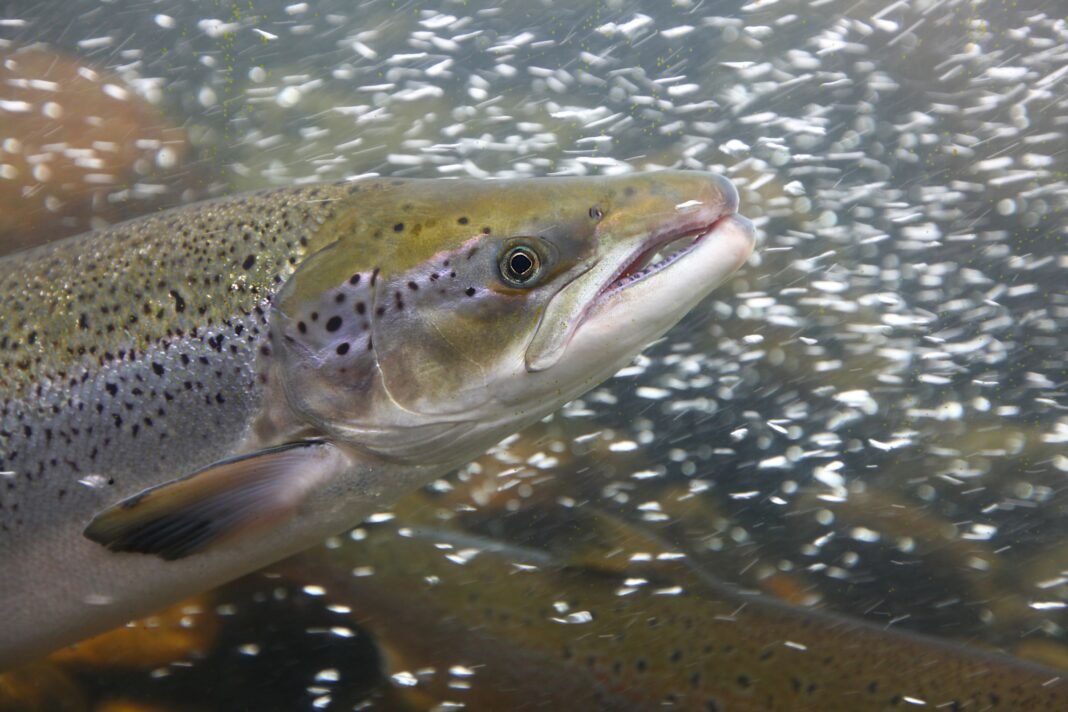
Effects of Cocaine Contamination on Fish Movement in Natural Waterways
How Drug Residues Influence Aquatic Animal Behavior
The infiltration of cocaine residues into freshwater habitats is altering the natural movement patterns of fish species, particularly Atlantic salmon, which have been observed to travel greater distances and disperse more broadly within their environments. This issue underscores a rising ecological threat as pharmaceutical contaminants increasingly permeate aquatic ecosystems worldwide.
Insights from Field Studies Confirm Behavioral Changes in Wild Fish
A joint research effort involving institutions such as Griffith University,the Swedish University of Agricultural Sciences,the Zoological Society of London,and the Max Planck Institute for Animal Behavior has demonstrated that cocaine pollution affects fish behavior not only under laboratory conditions but also in complex natural settings. Thes findings represent a pivotal step forward in understanding how human-derived chemicals impact wildlife behavior beyond controlled experiments.
Prevalence of Cocaine Metabolites Across Global Water Systems
Cocaine and its metabolites are frequently detected across rivers and lakes worldwide due to incomplete elimination by wastewater treatment facilities. For instance, recent environmental assessments reveal that nearly 30% of European river samples contain benzoylecgonine-the main metabolite-posing potential threats to aquatic organisms. While earlier research documented behavioral effects from direct cocaine exposure experimentally, evidence from real-world ecosystems remains limited.
Methodology: Monitoring Salmon Movements Under Chemical Exposure
To investigate these impacts further,scientists implanted small devices into 105 juvenile Atlantic salmon residing in Sweden’s Lake Vättern. These implants gradually released either cocaine or benzoylecgonine over time. The fish were categorized into three groups: an unexposed control group; one exposed to cocaine; and another exposed to benzoylecgonine.Each individual was equipped wiht tracking tags enabling continuous monitoring of their spatial activity for two months.
- benzoylecgonine-exposed salmon traveled almost twice the distance compared to controls.
- Their range expanded up to roughly 20 miles away from their initial release point by study conclusion.
- Cocaine-exposed individuals exhibited less significant changes in movement than those exposed to its metabolite.
Ecosystem Consequences: Shifts in Fish Distribution Impact Food Chains
“The locations where fish congregate determine their feeding opportunities, vulnerability to predators, and population dynamics,” noted coauthor Marcus Michelangeli. Alterations caused by drug contamination could cascade through aquatic food webs-possibly disrupting predator-prey relationships and destabilizing ecosystem balance on a broad scale.
The Greater Ecological Role of Metabolites Compared to Parent Drugs
this research highlights a crucial finding: metabolites like benzoylecgonine may exert more profound ecological effects than parent compounds such as cocaine as they persist longer in water bodies and appear more frequently at detectable levels. Environmental risk evaluations often neglect these metabolites despite their significant biological influence-a critical oversight this study brings attention to for future environmental monitoring protocols.
Pharmaceutical Pollution: A Widespread Threat Facing Wildlife Globally
“It may seem surprising that substances like cocaine can alter animal behavior,” said Michelangeli,”yet wildlife routinely encounters numerous human pharmaceuticals entering natural habitats every day.”
The next steps involve broadening research across diverse species and ecosystems worldwide while assessing whether these behavioral modifications affect survival rates or reproductive success-key indicators shaping population viability amid escalating chemical pollution pressures.
A Global environmental Challenge Requiring Ongoing Research Efforts
This growing body of evidence draws attention not only toward illicit drug residues but also emphasizes wider concerns about pharmaceutical contaminants impacting biodiversity globally-from urban waterways tainted with antidepressants influencing amphibian development stages to painkillers affecting freshwater mussel health-all underscoring an urgent need for enhanced wastewater treatment solutions designed specifically to safeguard vulnerable wildlife populations against complex mixtures present today.