Stay Alert: Fraudulent QR Codes Targeting Bike Share Bikes and Parking Machines in teh GTA
Understanding the Rise of QR Code Scams among Urban Travelers
Recently, a surge in deceptive schemes involving fake QR codes has been detected across the Greater Toronto Area (GTA), specifically targeting users of Bike Share bicycles and parking payment kiosks. These counterfeit codes aim to trick individuals into submitting sensitive data or making payments through fraudulent websites.
How These Scams Work: Identifying Fake QR Codes
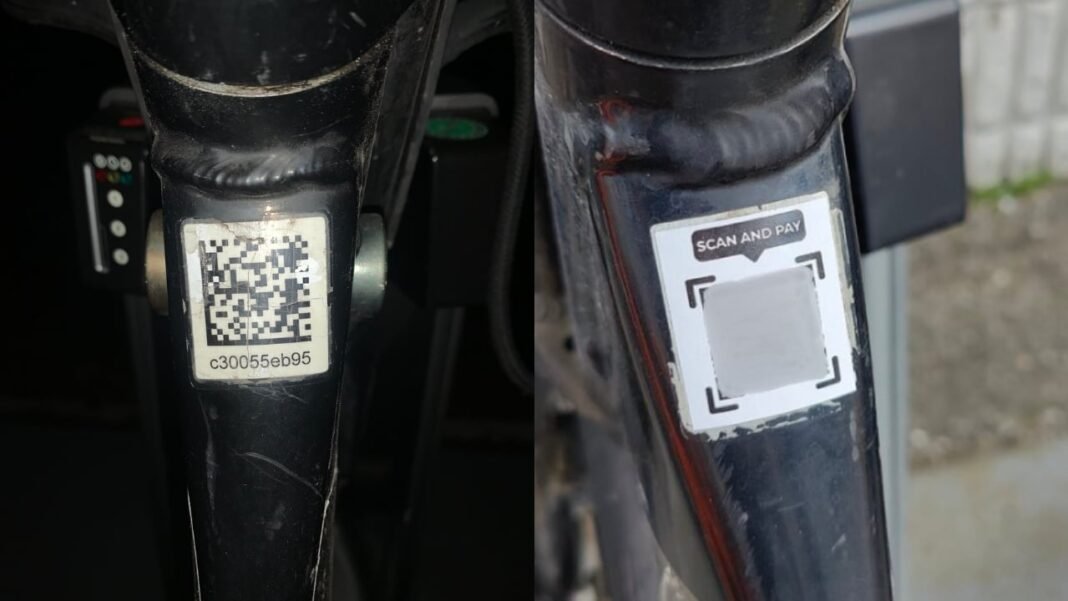
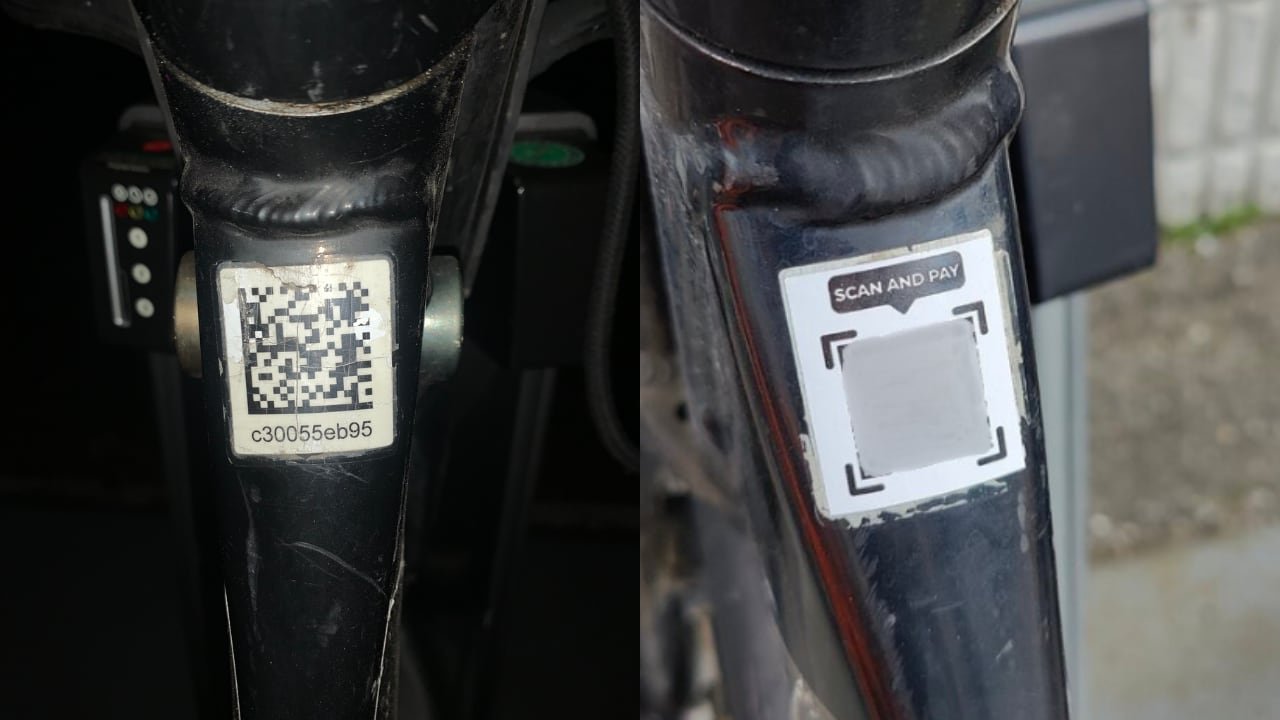
A Toronto commuter experienced this firsthand when trying to unlock a Bike Share bike. After several failed attempts scanning legitimate codes, he noticed one sticker that stood out due to an unusual addition-a small speech bubble with the phrase “Scan and Pay,” which was not part of official branding.
This suspicious code redirected him to a questionable website titled “direct To App Now,” featuring a page named “ParkPay” that requested personal details such as licence plate numbers and credit card details for parking fees-an uncommon step for bike rentals. Further investigation revealed this site had been registered only recently, indicating potential fraud.
The commuter found multiple counterfeit stickers at two bike docks near Coxwell and Danforth avenues. He promptly removed them, reported the issue to Bike Share authorities, and disposed of the fake labels safely.
Spotting Differences Between Authentic and Counterfeit Stickers
The fraudulent stickers closely resemble genuine ones in size but differ subtly in design elements. For example, authentic Bike Share QR codes do not include extra text or graphics like speech bubbles. Such minor distinctions make it difficult for users to immediately recognize fakes without careful inspection.
An Expanding Problem: From Ottawa’s Streets to Mississauga’s Parking Meters
This scam technique-often called “quishing,” blending “QR” with phishing-has previously affected cities like Ottawa and Montreal by placing bogus QR codes on pay-and-display parking machines. Its recent spread into Toronto’s bike-sharing network signals growing sophistication among scammers.
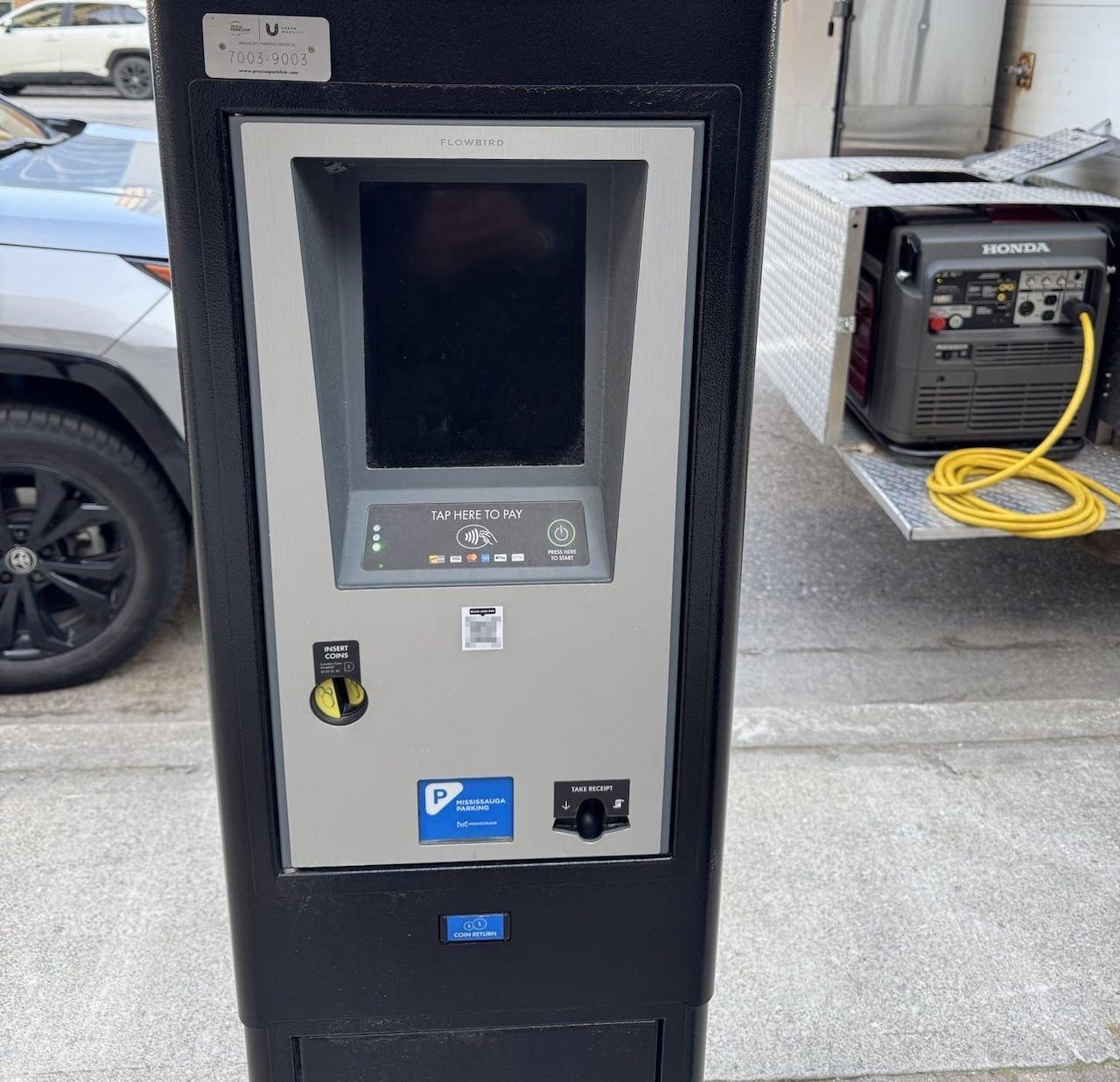
In Mississauga alone,officials discovered over 80 fraudulent QR code stickers attached to downtown parking meters within just seven days. Colin Patterson from Mississauga’s traffic management team expressed optimism that early detection prevented financial losses among residents.
Municipal Actions Against Fraudulent Stickers
- Toronto: The Toronto Parking Authority confirmed sightings of fake stickers on Green P lot machines but did not disclose exact numbers; police have received multiple reports from North York areas.
- Mississauga: After uncovering widespread counterfeit labels on parking equipment last week, city officials notified Peel Regional Police promptly.
- user Guidance: Authorities recommend scanning only through official apps rather than using smartphone cameras directly on public-facing QR codes-to minimize exposure risks from malicious links embedded within rogue tags.
The Shifting Nature of Scam URLs Increases danger
the web addresses linked by these fraudulent QRs have changed frequently since their finding. Sometimes they redirect unsuspecting users toward legitimate platforms such as PayByPhone-a popular municipal parking payment service across Ontario-but without authorization or any connection with those companies.
Representatives from PayByPhone North America emphasize these unauthorized uses are scams unrelated to their operations.
They advise paying exclusively via official apps or websites rather of scanning visible public QR codes whose authenticity cannot be easily verified by consumers themselves.
Navigating an Evolving Threat Landscape Requires Caution
Kami Vaniea,a cybersecurity expert at the University of Waterloo specializing in scam tactics research warns about how easily scammers can mass-produce deceptive labels.
“Someone could distribute hundreds-or even thousands-of these fake QRs instructing people simply ‘place them anywhere,'” she explained.
Vaniea recommends never opening links generated by scanned QRs without first previewing where they lead; many smartphones now allow URL previews before launching browsers-a crucial step toward avoiding fraud attempts.
she also notes how challenging it remains-even for tech-savvy individuals-to visually distinguish genuine versus counterfeit patterns alone-which highlights why vigilance is essential when interacting with unfamiliar digital prompts outdoors today.
Sensible Precautions Against Quishing Attacks in Public Areas
- Cautiously examine any visible sticker before scanning;
- If available, use dedicated mobile applications officially provided by services like Bike Share or municipal parking authorities;
- Avoid using your phone camera app directly on public-facing QRs unless you trust their source;
- If unexpectedly asked for personal data such as credit card information outside known payment portals – do not proceed;
- If you find suspicious stickers remove them safely if possible-and report incidents quickly so authorities can respond effectively;
- Mental note: Legitimate services rarely require license plate input during bike rental transactions; unexpected requests should raise immediate red flags!
“The challenge isn’t just spotting fakes visually but educating everyday users about safe digital habits amid increasing contactless technology use.” – Cybersecurity Specialist Kami Vaniea
The Critical Need for Awareness Amid Growing Digital Payment Use
The adoption rate for contactless payments surged globally by over 65 percent between 2019 and 2023 according to recent industry analyses-and cybercriminals are evolving rapidly alongside technological trends.
As urban environments increasingly integrate smart devices relying on fast-response technologies like QR scanners,
users must stay alert against emerging threats camouflaged behind seemingly harmless images affixed onto everyday objects such as bikes or meters.
Being informed about current scams empowers commuters throughout GTA communities-including Mississauga-to protect both finances and privacy while enjoying convenient mobility options.
Remember: When uncertain about any digital prompt encountered outdoors always err on the side of caution until proper verification is possible.