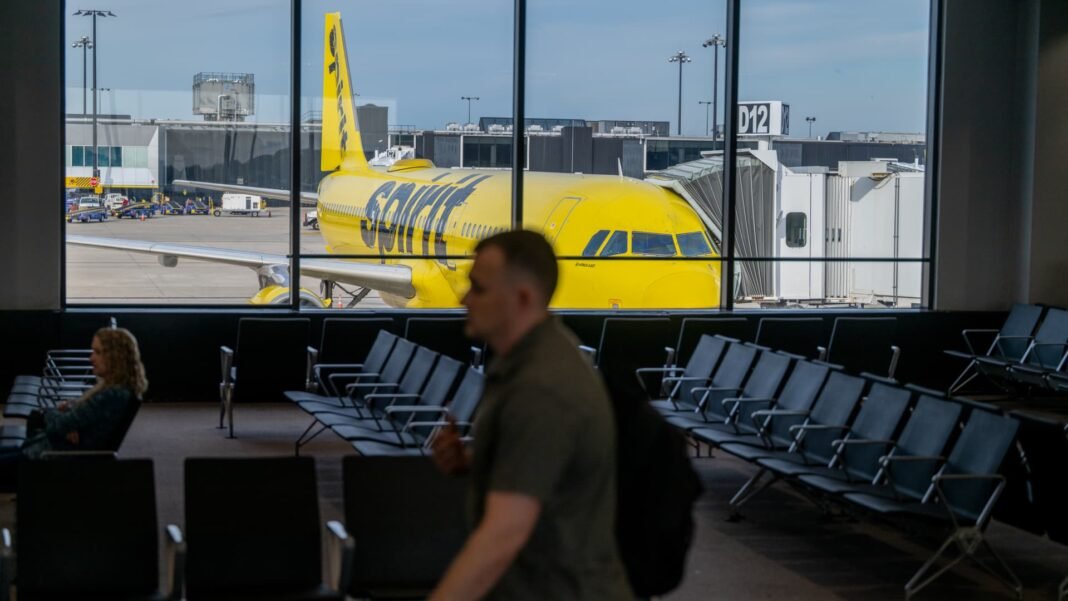
Spirit Airlines Closure: What the Future holds for the Defunct Carrier
After operating for over three decades, Spirit Airlines has officially terminated all flight operations, marking one of the most notable airline collapses in recent U.S. aviation history. The company now faces a complex and prolonged liquidation process expected to continue into 2028.
understanding the Bankruptcy Process and Financial Landscape
The formal dismantling of Spirit Airlines began with a bankruptcy court session held in White Plains, New York, where creditors and company representatives gathered to address critical issues such as airport fees, aircraft disposition, and employee claims. This legal procedure is anticipated to unfold over several months.
Spirit submitted an initial wind-down budget estimated at $217 million to cover expenses through February 2028. This includes allocating more than $52 million solely for workforce-related costs until July 2024 and another $52 million dedicated to aircraft maintenance and storage during this period.
Fleet Details Amidst Liquidation
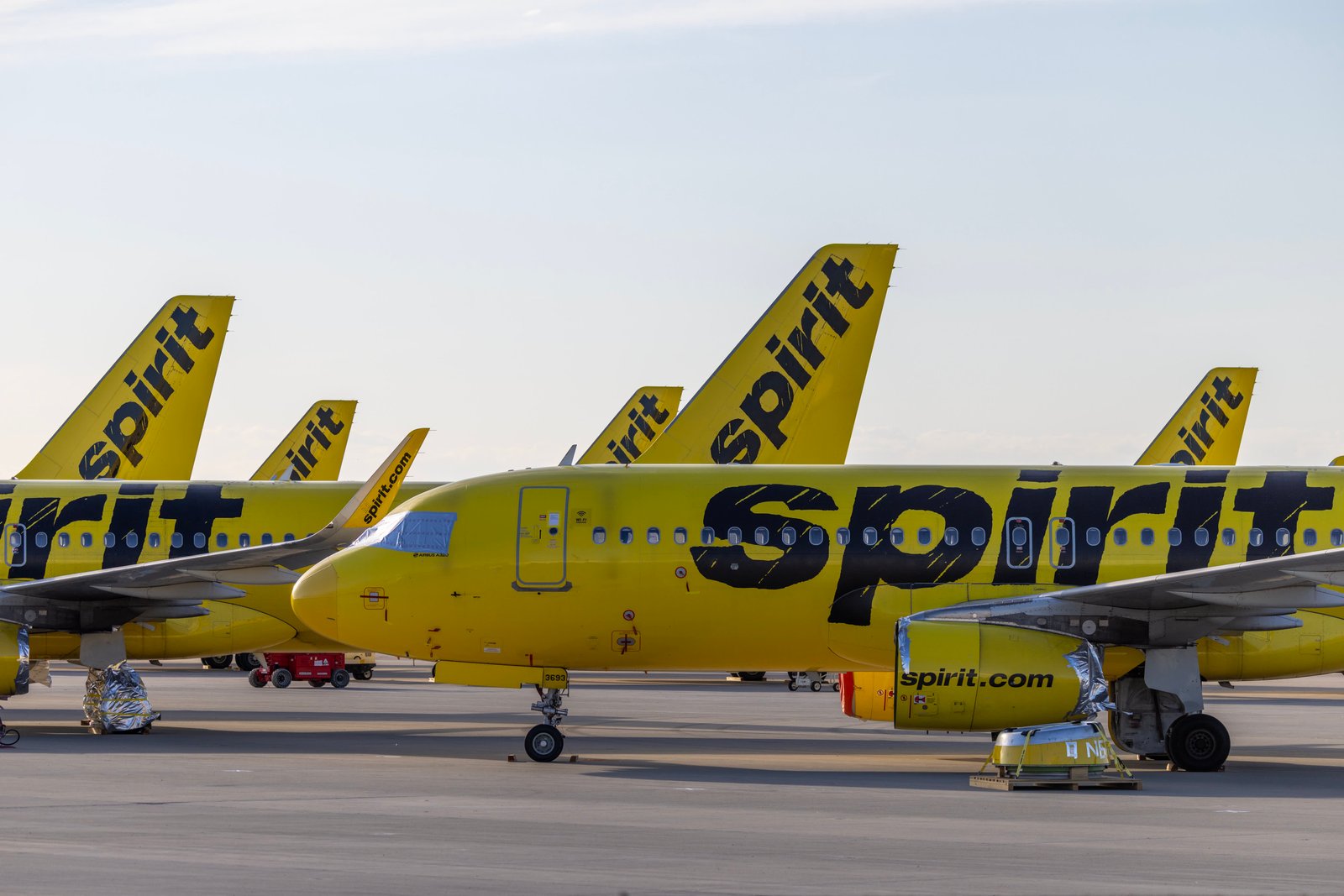
Aviation data provider Cirium reports that spirit’s fleet was predominantly composed of Airbus aircraft: 59 A320s actively flying with an additional 63 stored; alongside 37 A321s in service plus 13 more kept inactive. Notably, over three-quarters of these planes were leased rather than owned outright by the airline.
Main Causes Behind spirit’s Collapse
The carrier faced escalating financial strain driven by soaring operational costs combined with heavy debt obligations. A dramatic increase in jet fuel prices-triggered by geopolitical tensions following conflicts involving Iran-added approximately $100 million in extra expenses during March and April alone.
This surge proved insurmountable despite management’s efforts to stabilize finances. Attempts at securing federal assistance failed when bailout negotiations broke down due to disagreements over terms that would have granted public ownership stakes up to 90% through a proposed $500 million loan facility.
Industry-Wide Challenges: Rising Costs Affecting mid-Sized Carriers
This predicament reflects broader trends impacting airlines nationwide; many mid-sized carriers reported fuel cost increases exceeding 40% year-over-year as early as mid-2024 due to ongoing supply chain disruptions coupled with volatile crude oil markets worldwide.
The Immediate Impact on Passengers and Workforce
The abrupt shutdown left tens of thousands of travelers stranded after Spirit ceased operations suddenly at 3 a.m. ET on a Saturday morning. major competitors such as American Airlines, JetBlue Airways, Southwest Airlines, and united Airlines quickly stepped in to rebook affected passengers onto their flights across various routes.
On its final day before closure, Spirit transported roughly 50,000 passengers, many of whom had little time or options for alternative travel arrangements amid widespread confusion at airports nationwide.
The Human Cost: Job Losses Across Multiple Levels
An estimated total exceeding 17,000 employees, including direct staff members along with indirect contractors or support personnel dependent on the airline’s operations lost their jobs-a devastating blow affecting numerous families across different states.
“This closure marks a tough chapter impacting countless stakeholders,” stated Judge Sean Lane overseeing bankruptcy proceedings.
“The emotional toll on former employees is profound; they face uncertainty about their futures while navigating this challenging legal landscape.”
Navigating What Lies Ahead Post-Shutdown
- Dismantling Assets: The court will supervise selling or returning leased aircraft while resolving outstanding airport fees;
- Employee Claims: Former workers can file claims seeking severance pay or unpaid wages protected under bankruptcy laws;
- Court Oversight: Ongoing hearings will update creditors regarding settlements throughout liquidation;
- Aviation Market Effects: competitors may temporarily adjust capacity strategies by absorbing routes previously served by Spirit;
- Larger Industry Lessons: The collapse highlights vulnerabilities among low-cost carriers facing volatile fuel prices combined with high leverage amid global economic uncertainties;
The Wider Consequences for Budget Air Travelers
this progress raises concerns about affordability within air travel sectors traditionally dominated by ultra-low-cost carriers like Spirit-which accounted for nearly 15% of domestic passenger traffic prior to its shutdown according to FAA data from early-2024-and how market consolidation might influence ticket pricing moving forward.
“As airlines consolidate routes formerly operated by defunct competitors,” industry experts predict “passenger choices may narrow temporarily but could stabilize once new entrants emerge or existing carriers expand.”
Tackling Post-Shutdown Challenges: Guidance for Stakeholders
- If you were impacted as a passenger: Reach out promptly to your credit card issuer regarding refunds or disputes related directly to canceled flights;
- If you are an ex-employee seeking support: Apply swiftly for unemployment benefits while consulting legal professionals experienced in aviation bankruptcies;
- If you track industry developments closely: Follow upcoming court rulings which may affect asset sales influencing competitor growth opportunities;
- If you hold financial interests within aviation sectors: Prepare strategically given increased volatility expected among low-cost carrier segments going forward;