Intensified Conflict in Blue Nile State Sparks Growing Displacement Crisis
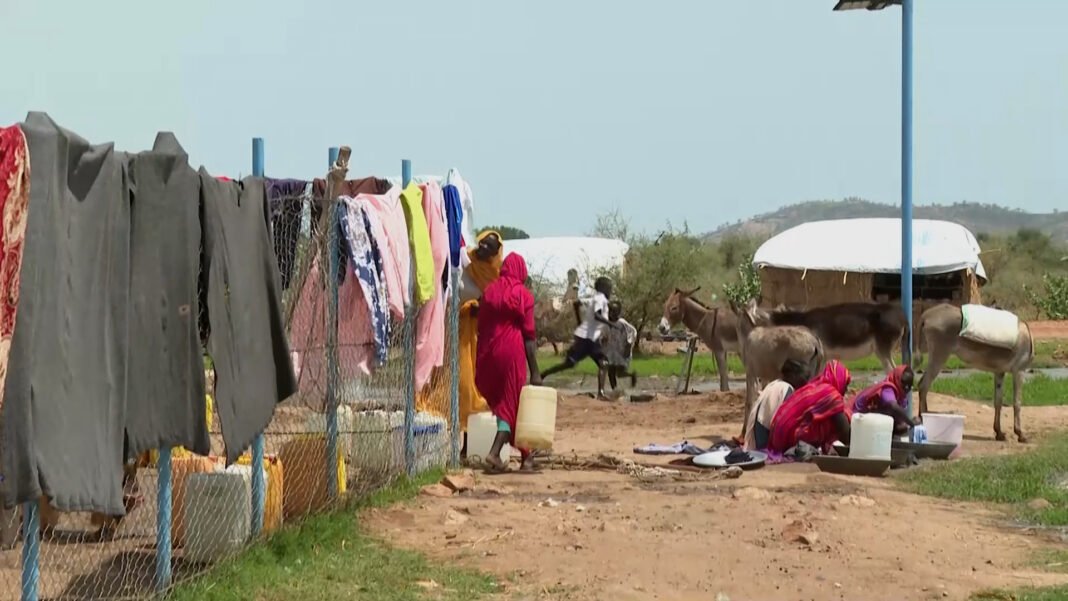
The escalation of military confrontations involving Sudan’s armed forces in Blue Nile state has led to a dramatic increase in the number of displaced families seeking safety. This surge has placed immense pressure on existing refugee camps, many of which were already stretched beyond their intended capacity.
Deteriorating Living Conditions Amidst Rising Displacement
Overcrowded shelters are now grappling with severe shortages of safe drinking water, while the approaching rainy season threatens to worsen flooding risks. These factors significantly elevate the chances of outbreaks from waterborne diseases and other health complications, impacting both long-term residents and newly displaced individuals.
Al-Karama 5 Camp: A Microcosm of Crisis
The al-Karama 5 camp exemplifies the dire circumstances faced by thousands who have sought refuge there. Insufficient access to clean water and inadequate sanitation facilities intensify health risks for those living within this congested surroundings.
Wider Consequences for Regional Security and Public Health
This displacement emergency not only overwhelms humanitarian aid operations but also poses serious threats to regional peace and stability. Recent assessments indicate that over 150,000 people have been forced from their homes across Blue nile state as violent clashes between government troops and local militias continue into early 2026.
- Insufficient Water Supply: many camps provide less than half the recommended daily amount of potable water per individual.
- Heightened disease Exposure: Seasonal flooding increases vulnerability to cholera, malaria, and other infectious diseases.
- Crowded Living Spaces: Overpopulation within shelters complicates efforts to control disease transmission effectively.
An Urgent Appeal for Strengthened Humanitarian Efforts
The escalating crisis highlights an immediate need for enhanced humanitarian interventions aimed at upgrading water systems, expanding healthcare services, and improving shelter conditions. Without prompt action, vulnerable populations remain exposed to severe health hazards amid ongoing conflict pressures.