Revealing a Revolutionary Material Originating from the First Atomic Explosion
Amid the barren deserts of New Mexico, during the landmark Trinity nuclear test on July 16, 1945-the world’s first atomic bomb detonation-an extraordinary new material was unintentionally created. This rare substance has only recently been identified by an international research team led by geologist Luca bindi at the University of Florence. The compound is a previously unknown clathrate consisting of calcium, copper, and silicon, never before found in nature or synthesized in laboratories.
the Science Behind Clathrates: Molecular Cages with Unique Properties
Clathrates are fascinating materials characterized by their cage-like lattice structures that trap other atoms or molecules inside. This unique architecture grants them exceptional properties that have attracted significant interest for advanced technological uses. Today, clathrates are being investigated for applications such as thermoelectric devices that efficiently convert heat into electricity, next-generation semiconductors, and innovative gas storage solutions-including hydrogen storage systems vital to future clean energy infrastructures.
From Trinitite Glass to groundbreaking Discovery
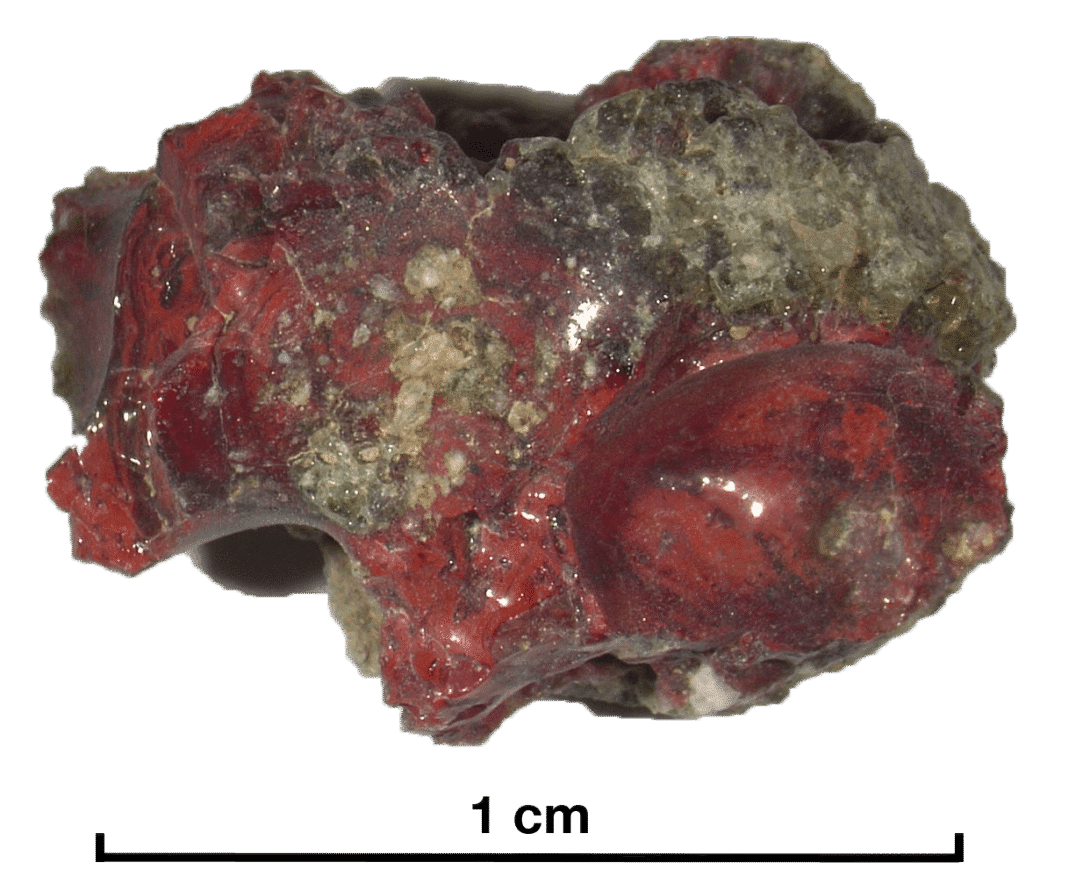
The inquiry focused on trinitite-a glassy silicate residue formed when desert sand melted under the intense heat of the nuclear blast-which contains unusual metallic inclusions. Using cutting-edge techniques like x-ray diffraction analysis,researchers uncovered a type I clathrate embedded within microscopic copper-rich droplets inside red trinitite samples. This calcium-copper-silicon clathrate naturally crystallized under the extreme temperature and pressure conditions generated by the explosion.
This discovery underscores how violent environments with soaring heat and pressure can produce novel materials unattainable through standard laboratory synthesis methods.
Extreme Phenomena as Natural Laboratories for Novel Materials
The importance of this finding is amplified when considering another remarkable material identified from the same event: a silicon-rich quasicrystal also discovered by Bindi’s team. Quasicrystals challenge customary crystallography; although they resemble crystals visually, their atomic patterns lack periodic repetition yet display intricate symmetries and unusual physical behaviors that defy conventional prediction models.
“Natural high-energy events-such as nuclear explosions, lightning strikes, and meteor impacts-offer unparalleled experimental conditions,” scientists note. “They allow us to observe phases of matter impossible to recreate easily in controlled laboratory settings.”
By examining these extraordinary structures forged under extreme stressors, researchers gain valuable insights into atomic arrangement principles while opening doors to designing innovative materials with customized functionalities.
Pioneering Future Technologies Inspired by Catastrophic Events
This breakthrough not only deepens our comprehension of matter subjected to extraordinary forces but also lays groundwork for revolutionary technologies inspired by nature’s most intense phenomena. It exemplifies how even destructive occurrences can lead to discoveries with far-reaching implications across science and industry in years ahead.