
Microsoft Suspends Numerous Open Source Repositories Following Security Breach Investigation
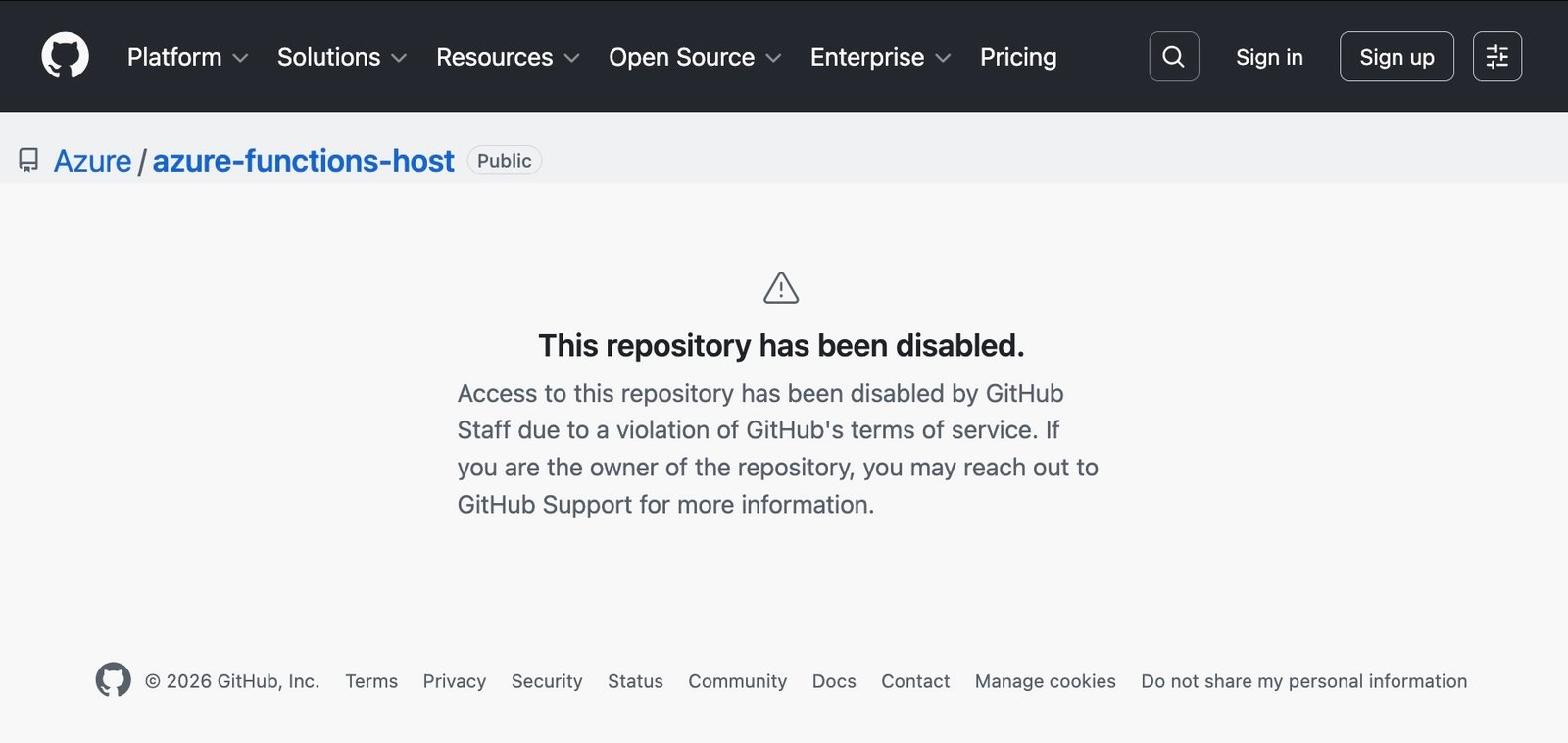
In response to a recent security breach, Microsoft has temporarily disabled access to several open source projects hosted on github after discovering that attackers had compromised these repositories by embedding malware aimed at harvesting user passwords.
Incident Overview: Focus on Developer Tools and Cloud Platforms
The affected repositories mainly consist of tools associated with MicrosoftS Azure cloud services and AI development environments.These include command-line interfaces for cutting-edge AI models and widely used code editors, which are integral to developers incorporating artificial intelligence into their software workflows.
Malicious Code Consequences: Theft of Credentials via Infected Software
Independent cybersecurity experts specializing in malware detection were among the first to uncover the intrusion. the embedded malicious code allowed threat actors to capture sensitive credentials when developers ran these infected tools within their AI programming setups.
The total number of users impacted remains uncertain; though, over 70 Microsoft-owned repositories have been taken offline on GitHub due to violations related to this security incident.
Microsoft’s Actions and Continuing Inquiry
A spokesperson from Microsoft confirmed that certain repositories were removed as a precaution while investigations proceed. Some projects have since been reinstated following complete reviews, whereas others remain inaccessible pending further examination.
The company has proactively notified a select group of customers who may have downloaded compromised packages. Microsoft reaffirmed its dedication to thoroughly investigating the matter and promised direct dialogue should additional measures be required.
The Growing Threat of Supply Chain Attacks in Open Source software
This event highlights an increasing trend where attackers exploit vulnerabilities within software supply chains by targeting popular open source components. Such breaches can spread malicious code across numerous dependent applications, magnifying their impact-especially when critical cloud infrastructure or developer toolchains are involved.
While attacks against individual maintainers are more common, incidents involving major technology firms like Microsoft remain relatively rare due to robust security protocols. Nonetheless, this marks Microsoft’s second significant compromise involving its open source assets in recent weeks.
Recurring Incidents Emphasize Persistent Security Challenges
An earlier breach targeted Durable Task-a Microsoft project designed for app development-raising questions about whether initial remediation fully eliminated unauthorized access or if new intrusions occurred independently. This recurrence underscores the ongoing difficulty in defending large-scale software ecosystems against complex supply chain threats.
A Broader Viewpoint: increasing Supply Chain Attacks Across Industries
- A 2024 industry analysis revealed that nearly 45% of organizations experienced supply chain attacks targeting open source dependencies last year alone, underscoring an urgent need for improved defense mechanisms among developers and enterprises alike;
- An illustrative case outside Microsoft involved a recent compromise affecting widely-used Python libraries; attackers inserted backdoors enabling remote system control until rapid community intervention contained the threat within days;
- This evolving landscape demands constant vigilance as adversaries increasingly focus on trusted codebases utilized across sectors-from financial services relying heavily on secure APIs to healthcare platforms managing confidential patient facts online;
Sustaining Confidence in Open Source Amid Emerging Cyber Threats
This incident serves as a powerful reminder that even organizations with considerable resources must maintain stringent oversight over publicly accessible code assets. Developers leveraging open source components should adopt best practices such as verifying package authenticity through cryptographic signatures, closely monitoring dependency updates, and utilizing automated scanning solutions capable of detecting suspicious activity early during integration phases.
“Supply chain compromises represent one of today’s most insidious cybersecurity challenges because thay exploit inherent trust relationships fundamental to modern software development.”
Navigating Future Risks: Strategies for Strengthening defenses Against supply chain Breaches
- Advanced Monitoring: Deploy real-time alert systems tracking unusual behavior within critical repositories hosting essential developer utilities or cloud integrations;
- User Awareness Training: educate teams responsible for third-party package integration about risks linked with unverified sources;
- Tightened Access Management: Restrict write permissions strictly based on necessity while enforcing multi-factor authentication protocols;
- Crisis Response Planning: Establish rapid mitigation procedures tailored specifically toward minimizing disruption from supply chain incidents without significantly impacting end users;
- Ecosystem Collaboration: Promote partnerships between platform providers like GitHub, cybersecurity researchers, and corporate stakeholders focused on swift intelligence sharing upon detection events;