Innovative Wastewater Monitoring: Tracking Measles Spread in Alberta
Alberta is experiencing a significant rise in measles infections, driving researchers to adopt cutting-edge techniques for virus surveillance. One such method involves examining wastewater to identify traces of the measles virus, offering a potential early alert system for emerging outbreaks.
Wastewater Analysis as a public Health Innovation
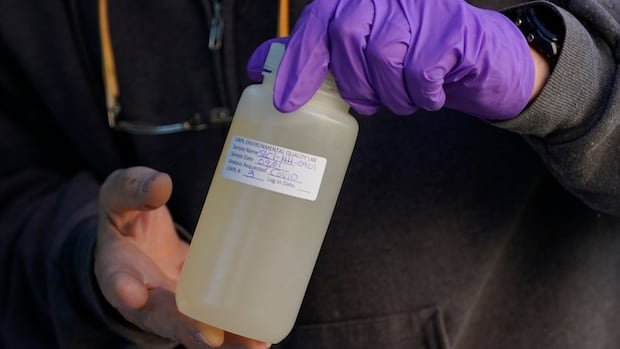
Building on infrastructure established during the COVID-19 pandemic, scientists at the University of Alberta began testing sewage samples in April to detect measles viral particles. This approach leverages non-invasive community-level monitoring that has proven effective worldwide for tracking infectious diseases without relying solely on clinical testing.
Currently,samples are collected weekly from 12 wastewater treatment plants across Alberta and analyzed at provincial labs.After screening for SARS-CoV-2 RNA, specialized molecular assays differentiate between wild type measles virus and vaccine-derived viral shedding, enhancing accuracy in interpreting results.
interpreting Population-Level Infection Patterns Through Sewage Data
Molecular detection from wastewater does not identify individual cases but reveals overall infection trends within communities. Since April, consistent detection of measurable levels of measles RNA has aligned with increasing case reports by health authorities.
The official tally exceeds 1,300 confirmed cases as of March; however, experts estimate actual infections are higher due to underreporting and undiagnosed individuals-especially in remote or underserved areas where access to testing may be limited or hesitancy prevails.
The Advantage of Early Outbreak Signals via Wastewater
A major benefit of sewage surveillance lies in its ability to provide earlier warnings compared with traditional clinical reporting methods. Given that measles symptoms can take up to two weeks post-exposure before appearing and diagnosis occurs, detecting viral RNA shed into wastewater beforehand offers critical lead time for public health interventions such as targeted immunization drives or community alerts.
This predictive capacity was demonstrated during COVID-19 waves when spikes identified through sewage preceded confirmed case surges by one or two weeks. Researchers are now exploring whether similar forecasting applies effectively for monitoring measles outbreaks through environmental sampling.
Challenges: Sampling Frequency and Resource Limitations
A significant obstacle is the reduction from daily to weekly sample collection following pandemic-related budget cuts affecting many programs including Alberta’s. This decreased frequency hampers real-time responsiveness and reduces sensitivity needed for swift outbreak containment decisions.
The Expanding Role of Wastewater Surveillance Beyond Measles
Molecular virologists emphasize that while this technique should complement rather than replace conventional epidemiological tools, it holds vast potential within integrated infectious disease control frameworks moving forward.Interest is growing globally in applying wastewater analysis toward tracking other pathogens like seasonal influenza variants or zoonotic viruses emerging from agricultural settings-for example African swine fever detected early through farm runoff monitoring systems abroad.
“Analyzing sewage provides an essential supplementary resource enhancing preparedness against future pandemics,” state leading researchers involved with Alberta’s programme who advocate ongoing investment despite current financial constraints.”
The Need For Ongoing Research And Lasting Funding
Further investigation is required to strengthen correlations between viral concentrations found in wastewater and actual clinical case numbers across diverse populations within Alberta.Accessing detailed patient data will enable refinement of predictive models and optimization of sampling strategies tailored regionally.
Sustained financial support remains crucial if this technology is expected not only to track active outbreaks but also serve as an early warning mechanism capable of identifying novel infectious threats before they escalate into widespread crises affecting millions nationwide-as seen recently with emergent respiratory viruses globally causing localized epidemics prior to broad recognition.
The Human Impact Behind Surveillance Data
- Measles ranks among the most contagious diseases known; complications include pneumonia, encephalitis (brain inflammation), premature birth when pregnant women become infected-and fatalities especially among vulnerable groups such as infants or immunocompromised individuals.
- This year alone over 100 Albertans have been hospitalized due directly to severe complications linked with recent outbreaks predominantly impacting unvaccinated populations-a sobering reminder why enhanced surveillance efforts extend far beyond mere statistics into lives saved through timely intervention measures.
Evolving Public Health Strategies In Response To Emerging threats
The provincial government recognizes ongoing research integrating wastewater surveillance , wild type measles virus , SARS-CoV-2 , wastewater treatment plants , detection tool , and measurable trends . These combined approaches supply vital insights shaping future responses against infectious diseases throughout Canada’s western provinces.
This evolving environmental virology framework promises improved outbreak management capabilities supporting healthier communities amid dynamic public health challenges ahead.