Florida’s Move to End Vaccine Mandates Ignites Nationwide Discussion
Complete Repeal of Immunization Requirements in Schools
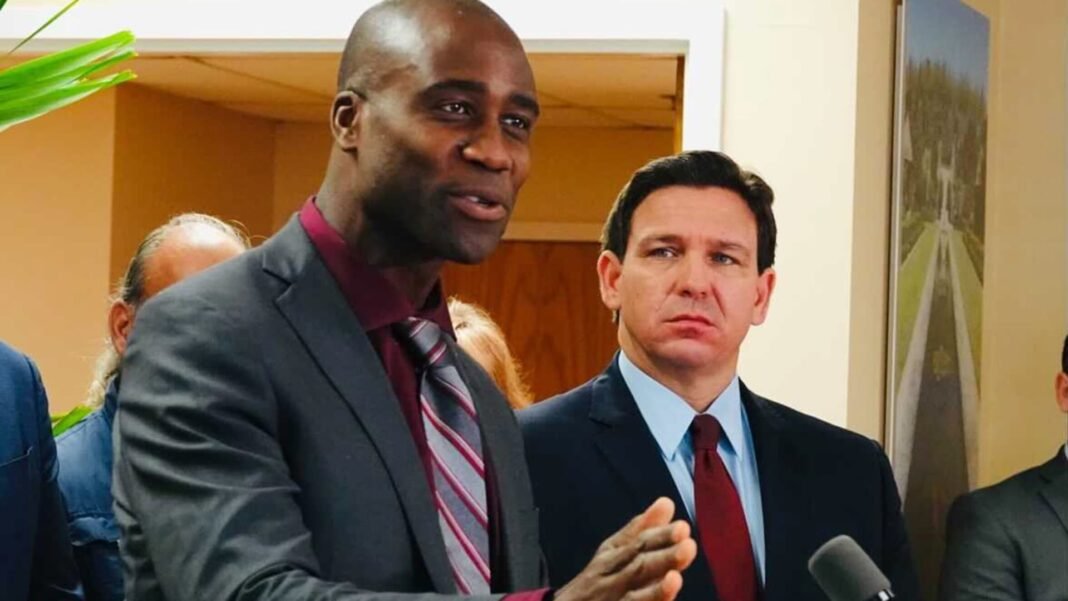
Florida is poised to become the frist state in the nation to eliminate all vaccine mandates, including those required for children’s enrollment in public schools. This bold initiative was announced by Florida’s Surgeon General Joseph Ladapo, who has been a prominent critic of mandatory vaccination policies.
Ladapo stated during a press conference that the florida Department of Health, working alongside Governor Ron desantis, plans to revoke every existing vaccine mandate embedded within state legislation. At present,florida enforces roughly six compulsory vaccines for school attendance.
Implications for Public Health and Vaccination Coverage
This sweeping rollback raises notable concerns about potential drops in immunization rates among schoolchildren. Historically, vaccine mandates have been instrumental in preventing outbreaks of contagious illnesses such as measles and polio. Notably, Florida already ranks highest in the Southeastern United States for non-medical exemptions claimed by kindergarteners.
The removal of these requirements could further depress vaccination levels at a critical time when sustaining herd immunity is essential against resurging infectious diseases globally.
Diverse State Approaches to Vaccine policies
Across the United States, all states enforce some form of vaccination prerequisites for public school entry; however, exemption allowances vary widely. Many states permit religious or philosophical exemptions while others maintain stricter regulations with limited exceptions.
While Florida has historically allowed parents to opt out on religious grounds, abolishing all vaccine mandates represents a dramatic policy shift with far-reaching consequences for community health protections.
The Debate Over Vaccine Mandates and Personal Freedom
Ladapo has described vaccine requirements as coercive measures infringing on individual liberties-labeling them “dripping with disdain and slavery.” Despite this outlook, vaccines have saved over 1.1 million children’s lives across America and prevented hundreds of millions of illnesses over recent decades.
“Vaccinations have contributed to saving Americans an estimated $540 billion in direct healthcare expenses during the past 30 years.”
The scientific Consensus Supporting Immunizations
The Centers for Disease Control and Prevention (CDC) confirms that childhood vaccinations not only curb disease outbreaks but also provide substantial economic benefits by lowering medical costs and reducing lost productivity nationwide.
Federal Leadership Driving Changes in Vaccine Policy
This state-level development coincides with broader shifts at the federal level under Health and Human Services Secretary Robert F. Kennedy Jr., who has initiated major reforms aimed at reshaping U.S. vaccine policies:
- Dismantling key advisory committees responsible for immunization recommendations;
- Cancelling funding allocated toward mRNA vaccine research;
- Removing COVID-19 vaccination guidelines from certain demographic groups’ official recommendations.
A Controversial shift Amid Ongoing public Health Challenges
Ladapo previously advocated halting mRNA COVID-19 vaccinations based on unsubstantiated claims about genetic modification risks-a position widely criticized by global medical experts amid ongoing pandemic response efforts worldwide.
navigating Between Individual rights and Collective Safety Moving Forward
Florida’s decision underscores an escalating national debate balancing personal freedoms against communal health responsibilities amid changing attitudes toward vaccination strategies across America. As other states observe these developments closely, public health authorities caution that significant declines in immunization coverage-especially among vulnerable populations like young students-could led to increased risks from preventable diseases within communities nationwide.