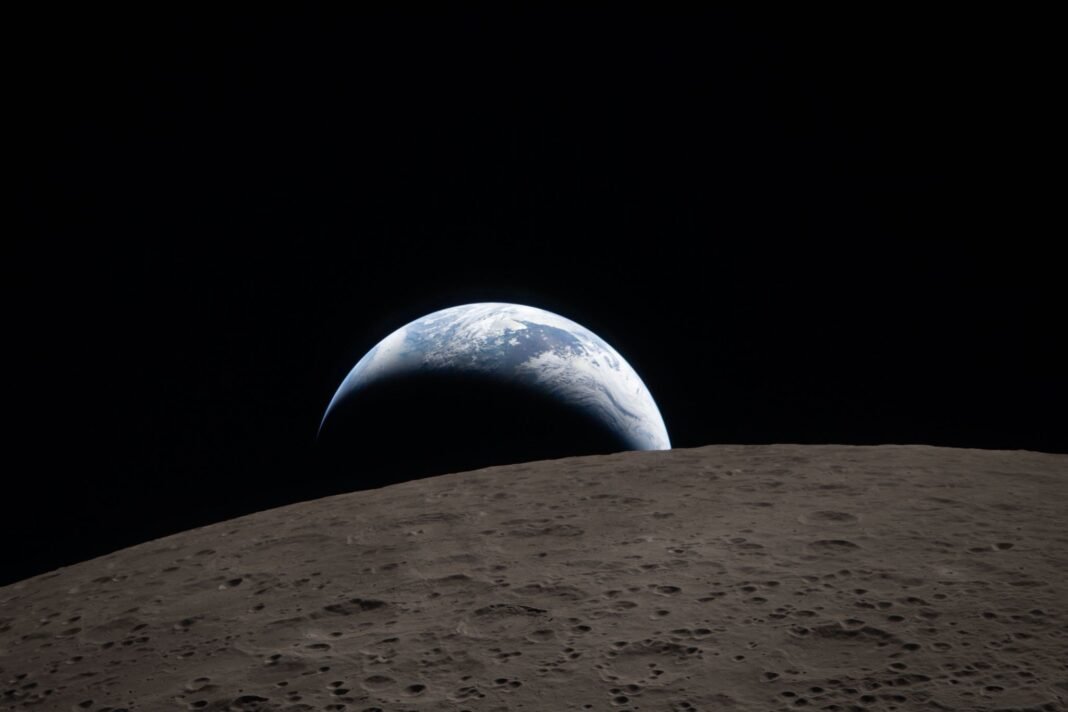
Revolutionary Artemis II Images Reveal the Moon’s Concealed Far Side
The Artemis II mission has achieved a historic feat by capturing unprecedented photographs during its flyby of the moon’s hidden hemisphere. These images provide a novel perspective of both Earth and the lunar surface, reminiscent of the legendary “Earthrise” photo taken by Apollo 8 astronauts more than 50 years ago.
Exploring the Moon’s Hidden Hemisphere with Cutting-Edge Technology
Orbiting at altitudes between 6,000 and 7,000 kilometers above the lunar surface, the Orion spacecraft enabled astronauts to take high-definition photos using advanced cameras fitted with telephoto lenses. Although earlier missions have glimpsed beyond the near side, this is among the first occasions where modern imaging technology has captured such intricate details of this elusive region.
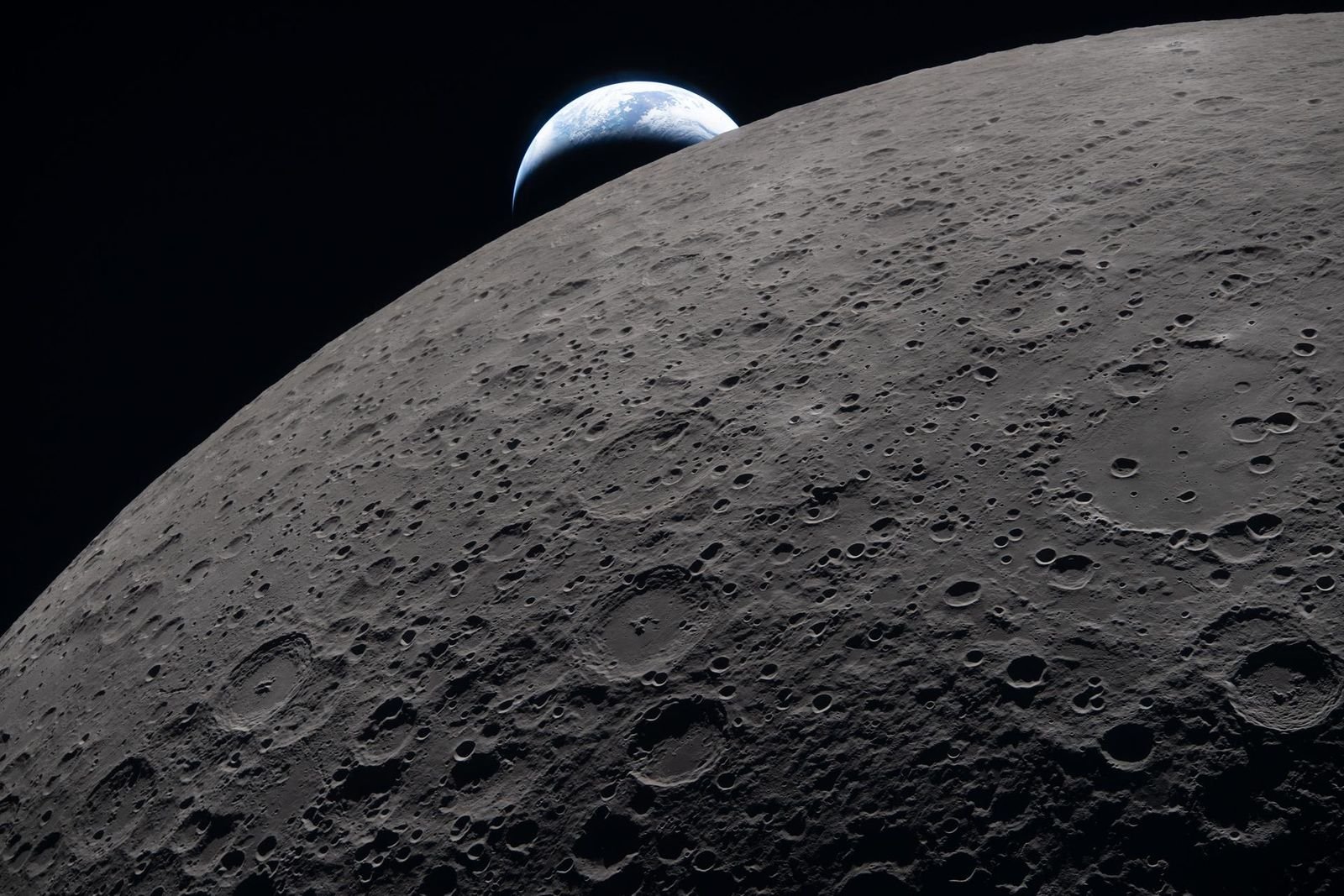
A breathtaking orbital shot showcasing Earth as a vibrant backdrop to the moon’s far side terrain.
Scientific Discoveries from Lunar Landscapes and Solar Phenomena
While primarily focused on demonstrating safe crewed navigation around our natural satellite, Artemis II also gathered valuable scientific data. The crew conducted detailed surveys of lunar topography and observed solar events like eclipses to deepen understanding of solar activity that influences space weather-crucial facts for future missions venturing deeper into space.
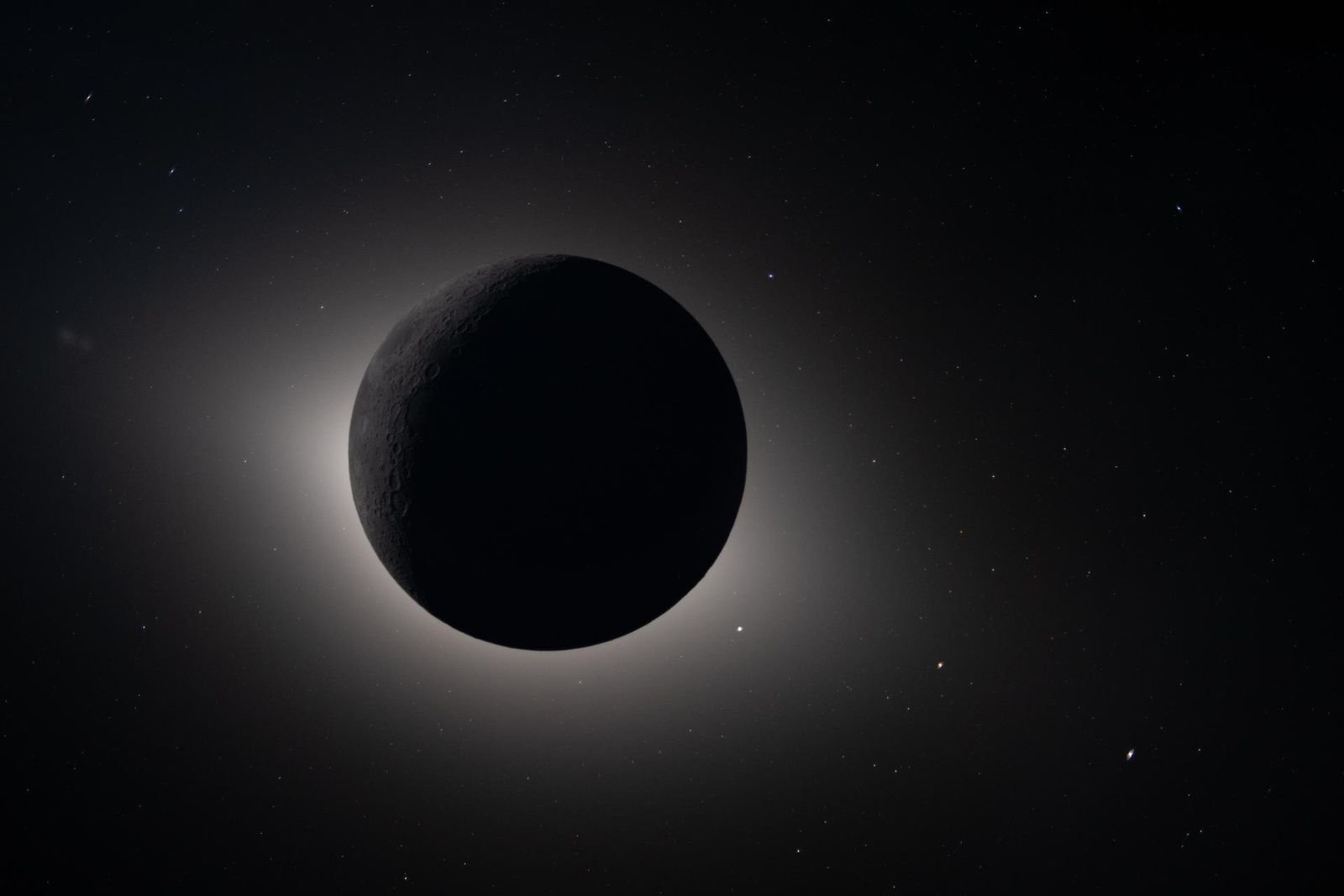
an eclipse recorded by Artemis II offers essential insights into variations within the Sun’s outer atmosphere.
Advancing Lunar Resource Mapping for Lasting Exploration
The fresh imagery substantially improves existing maps by highlighting areas perhaps rich in resources such as frozen water ice-an essential component for supporting long-term human presence on future expeditions.Regions near the lunar south pole remain especially promising due to their persistent shadows over billions of years that preserve volatile substances beneath their surfaces.
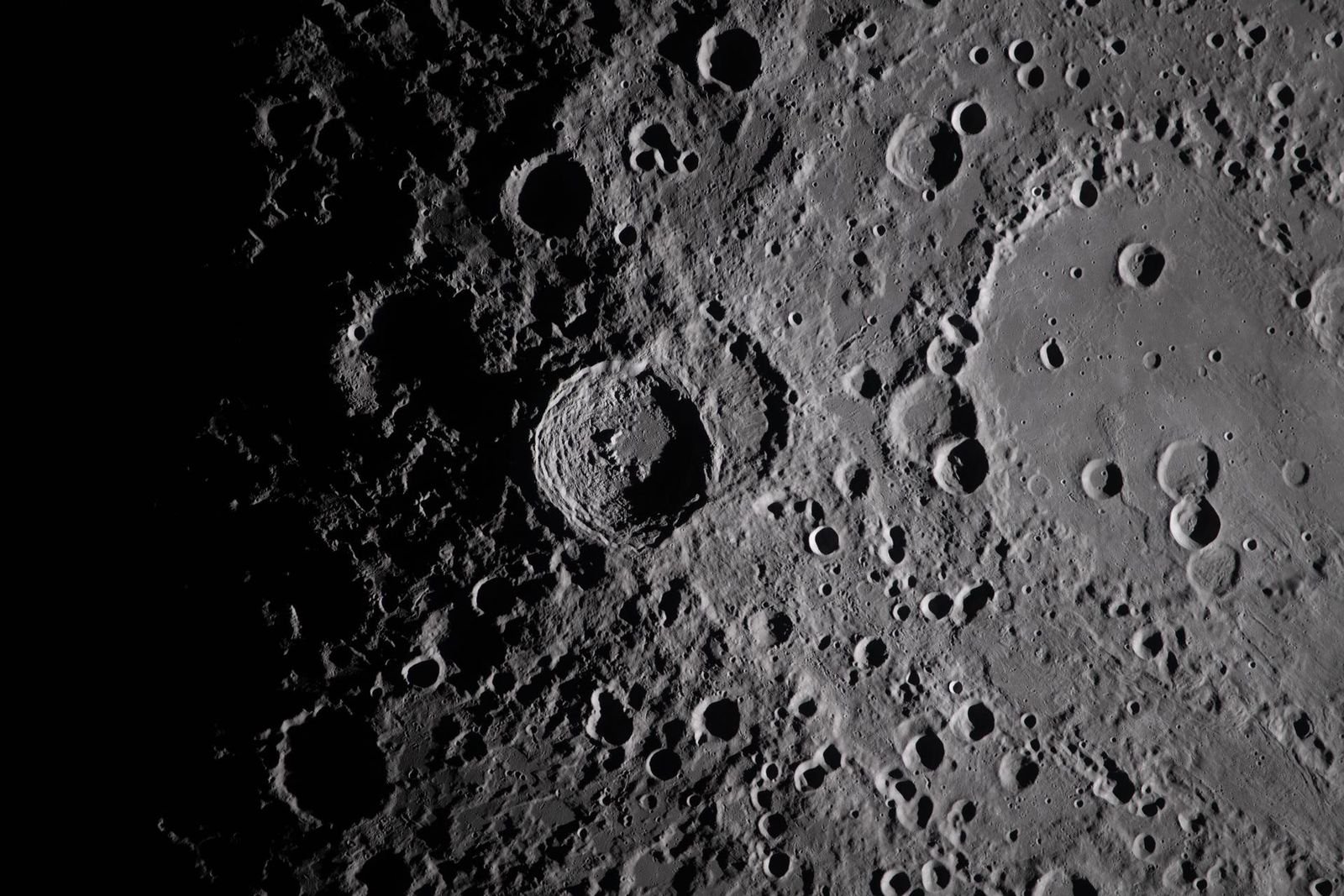
This detailed view of Vavilov crater emphasizes key geological features vital for evaluating resource deposits on our celestial neighbour.
Astronauts’ Critical Role in Documenting Lunar Features
The four-person crew collaborated closely throughout their seven-hour approach phase, taking turns operating photographic equipment to meticulously capture meaningful regions. At closest proximity-around 6,550 kilometers-the moon appeared roughly comparable in size to a basketball held at arm’s length. Their professional-grade cameras were pivotal in producing images with unmatched clarity and precision.
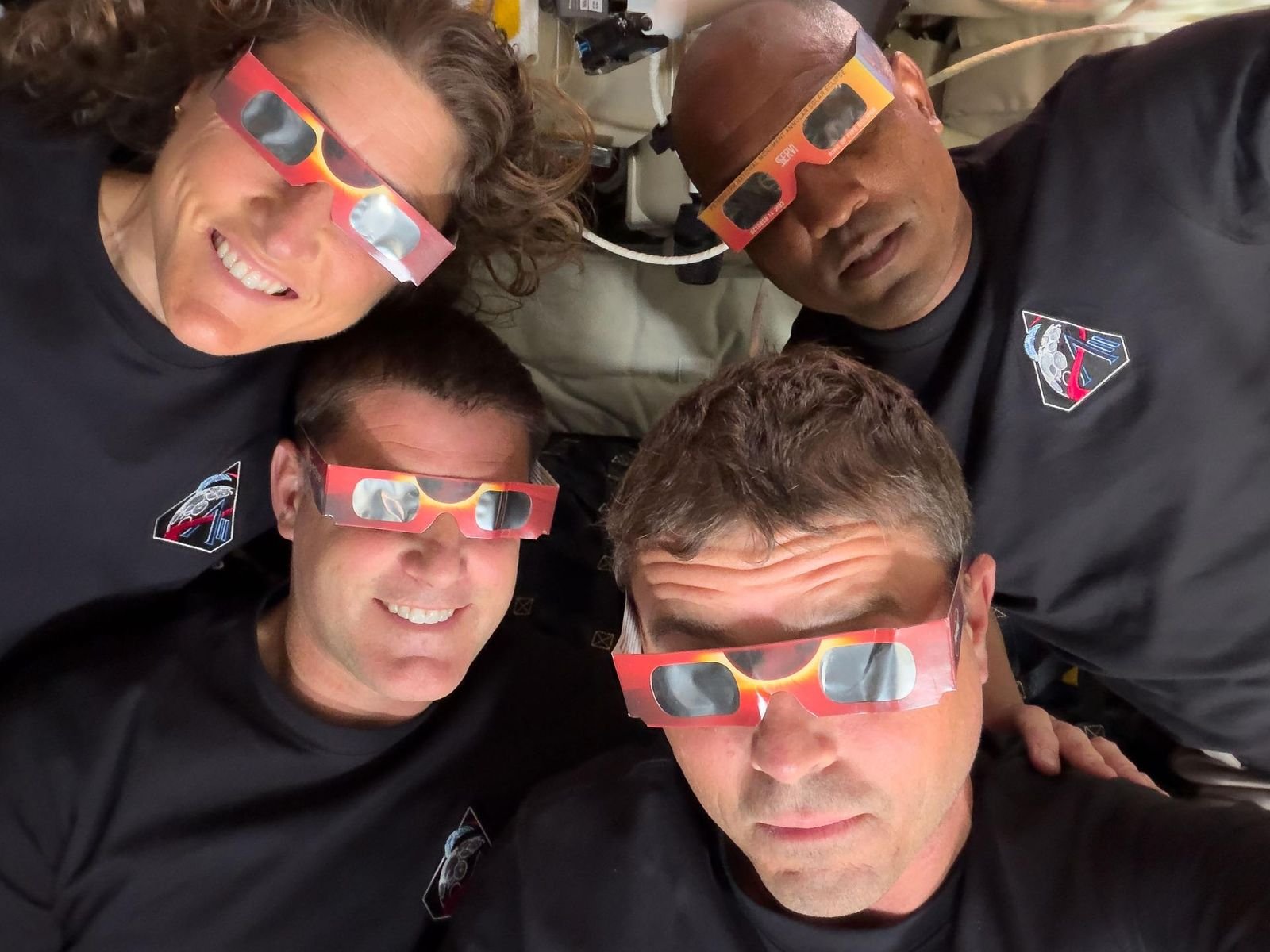
the Artemis II team equipped themselves with specialized eyewear used during solar observations: Christina Koch, Jeremy Hansen, Reid Wiseman, and Victor Glover (top right).
Mission Completion: Returning Safely After an Unforgettable Flyby
After successfully completing its close pass around the moon along with scientific investigations, Orion began its journey back toward Earth-a trip anticipated to last approximately four days before re-entry thru Earth’s atmosphere concludes with a splashdown in the Pacific Ocean. This landmark mission sets a strong foundation for upcoming projects like artemis IV that aim to return humans safely onto lunar soil within this decade.