strait of Hormuz Reopens Amid Heightened Tensions and Conditional Access
iran has resumed commercial navigation through the Strait of Hormuz, imposing strict conditions while cautioning that the vital maritime corridor could be closed again if US naval blockades persist.
Maritime Access and Regional Stability concerns
The Iranian government has authorized commercial vessels to transit the Strait of Hormuz, but only under stringent regulations consistent with established maritime routes. Tehran explicitly prohibits entry to any hostile military ships,particularly those from the United States and Israel. This reopening offers a tentative easing in a region marked by intense geopolitical friction; though, officials warn that this calm might potentially be short-lived if Washington continues its blockade on Iranian ports.
Saudi Arabia’s Finance Minister Mohammed Al-Jadaan welcomed Iran’s decision but noted that Gulf oil production recovery will differ across nations depending on infrastructure damage caused by recent conflicts. The reopening thus provides some relief for global energy markets while underscoring ongoing vulnerabilities in regional supply chains.
Diplomatic Developments and Military Strategies
- conflicting Statements on Negotiation Progress: While US leadership asserts minimal barriers remain to finalizing an agreement with Iran, Tehran disputes these claims, highlighting inconsistencies amid ongoing diplomatic discussions.
- US naval Blockade Enforcement Continues: The United States maintains its naval presence around iranian ports; Central Command reports 21 vessels have complied by avoiding restricted zones as part of blockade enforcement efforts.
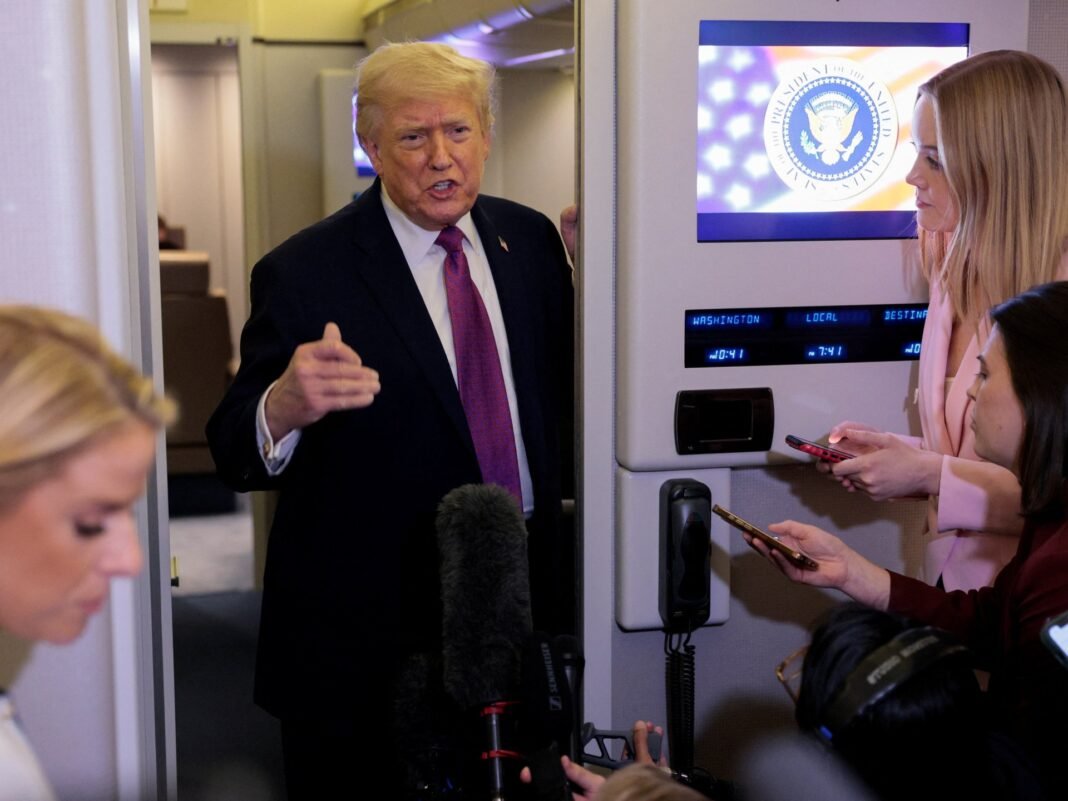
- NATO’s Involvement Declined: The US administration rejected NATO’s offer to assist in securing safe passage through the strait, labeling the alliance ineffective for this mission and instructing it not to intervene.
- bilateral Initiatives for Maritime Security: Britain and france announced intentions to lead a multinational operation aimed at safeguarding freedom of navigation once conditions allow safe deployment in the area.
- Iran-China Diplomatic Signals: Indications from US officials suggest Chinese President Xi Jinping supports reopening Hormuz; an upcoming high-profile visit aims to strengthen ties amid escalating regional tensions.
Nuclear Issues and Economic Policies Affecting Transit
- Iran Denies Uranium Transfer Allegations: Contrary to American claims, Iran’s Foreign Ministry firmly rejects any agreement involving relocation of enriched uranium stockpiles abroad, asserting full control over its nuclear materials despite international pressure campaigns.
- Surcharges Proposed for Strait Security Services: Instead of conventional transit fees, Iran is drafting legislation imposing charges specifically related to “securing” passage through Hormuz. Shipowners must obtain prior clearance from Iranian authorities before transiting; unauthorized military vessels face outright denial of access.
The Broader Middle Eastern Landscape: Lebanon and Yemen Updates
- A New Chapter for Lebanon? Lebanese President Joseph Aoun announced his country is entering a phase characterized by durable agreements following recent ceasefires. He emphasized Lebanon’s aspiration not to become a battleground for external powers anymore.
- Civilian Casualties Persist Despite Ceasefire: Although a 10-day ceasefire between Israel and Hezbollah began recently in southern Lebanon, one civilian death was reported due to Israeli shelling targeting residential areas. As hostilities escalated earlier this year in March, nearly 2,300 Lebanese lives have been lost according to local health authorities.
An expert on Middle Eastern affairs interprets these clashes as part of broader resistance against Western influence led by Iran-aligned groups centered around southern Lebanon. He suggests Hezbollah’s resilience may push dynamics toward negotiation rather than further military escalation after halting Israeli advances seeking buffer zones along their border regions.
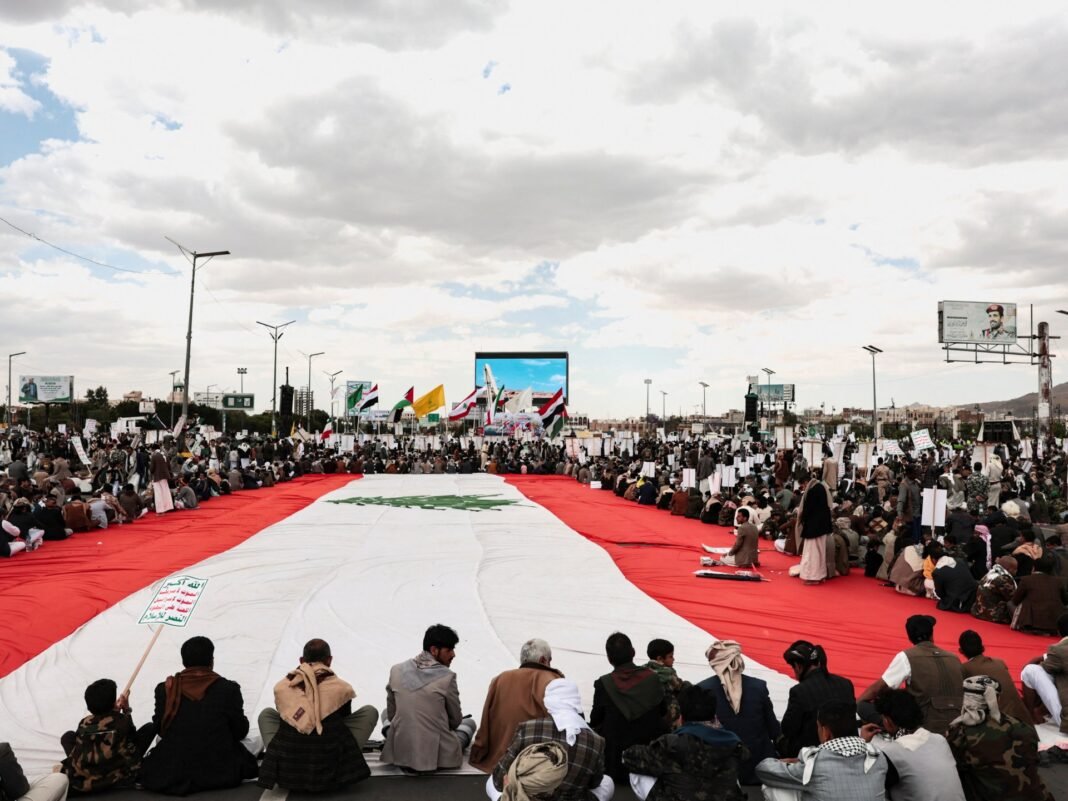
The Houthi movement controlling northern Yemen recently held mass rallies expressing solidarity with Lebanese factions allied with Iran during gatherings across Sanaa.Thay also warned about potential direct involvement should regional hostilities intensify further-signaling possible conflict expansion beyond current frontlines within Yemen amidst complex civil war dynamics.
Sanaa witnessed large gatherings where Houthi supporters expressed unity with allied groups across Lebanon [Photo credit withheld]
Evolving Global Economic Effects Amid Regional conflict Dynamics
- Dramatic Shifts in Oil Prices: Following announcements about reopening Hormuz , Brent Crude prices dropped sharply from near $120 per barrel down below $90 , reflecting market relief over restored supply routes .
< li >< strong >Positive Stock Market Responses : Wall street indices surged , reaching record highs driven partly by reduced fears surrounding energy supply disruptions linked directly or indirectly with Gulf tensions .
< li >< strong >Defense Sector Growth : Boeing reported increased demand within its defense division attributed largely due war-related contracts while maintaining steady commercial aircraft deliveries despite rising jet fuel costs impacting airlines worldwide.
The Situation Along Israel’s Northern Border
- Tightened Restrictions on Military Operations Against Lebanon: The US administration reportedly prohibited Israel from continuing offensive actions inside Lebanese territory following mounting international calls emphasizing de-escalation efforts.< /Li >
- Cautious Remarks From Israeli Leadership : Prime Minister Netanyahu reiterated that operations targeting Hezbollah remain key objectives , underscoring intentions toward dismantling persistent security threats emanating along northern borders .< /li >
< /Ul >
- Tightened Restrictions on Military Operations Against Lebanon: The US administration reportedly prohibited Israel from continuing offensive actions inside Lebanese territory following mounting international calls emphasizing de-escalation efforts.< /Li >