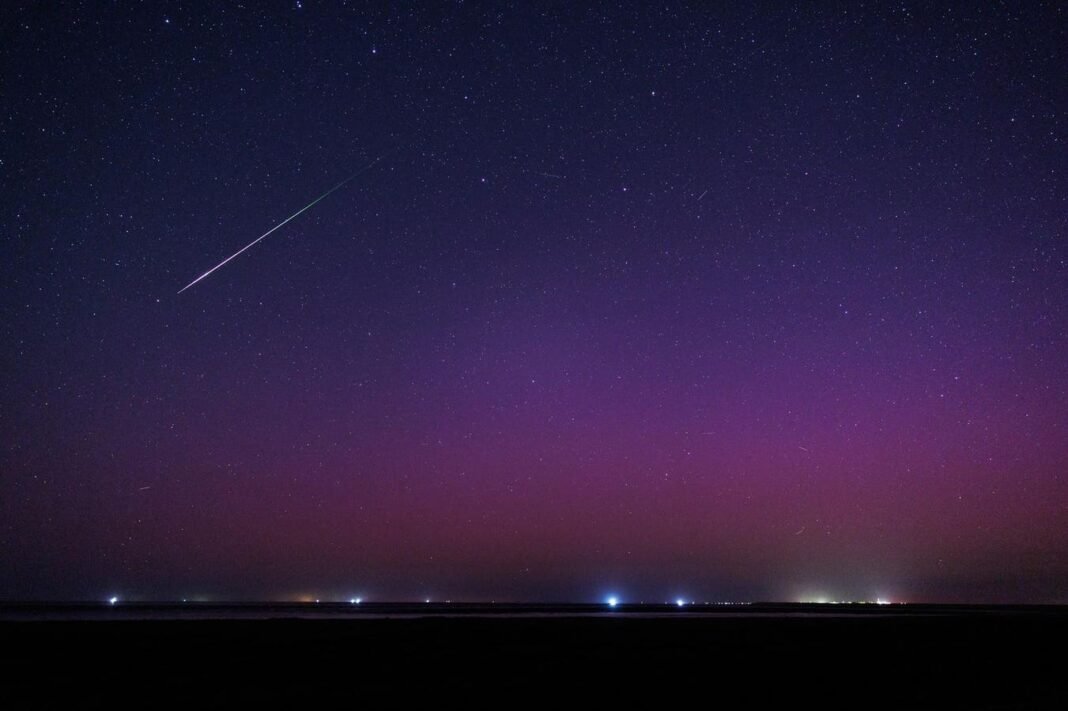
Leonid Meteor Shower 2025: An Unmissable Night Sky Spectacle
What to Expect from teh 2025 Leonid Meteor Shower
In November 2025, stargazers throughout North America will have the chance to witness a breathtaking celestial display as the Leonid meteor shower reaches its zenith. Following recent displays of vibrant auroras and unusual atmospheric phenomena, this event promises a flurry of swift meteors streaking across the night sky. The peak activity is anticipated between late Sunday night on November 16 and early Monday morning on November 17, though meteors will be visible for several nights before and after this period. Additionally, residents in northern U.S. states and parts of Canada may catch rare glimpses of Northern Lights during this time.
The Cosmic Origins Behind the Leonids
The Leonid meteor shower occurs annually when Earth passes through debris left by comet 55P/Tempel-Tuttle-a periodic comet orbiting the sun approximately every 33 years. As our planet intersects with these dust particles and rocky fragments within our inner solar system each November, they ignite upon entering Earth’s atmosphere at exceptional speeds, creating shining streaks known as meteors.
The next close approach of Tempel-Tuttle is projected around 2032-2033; during such encounters, Earth may traverse denser debris clouds that can produce intense meteor storms far surpassing typical hourly rates.
Speed and Brilliance: What Makes Leonids Stand Out
Meteoroids from the Leonid stream enter Earth’s atmosphere at remarkable velocities near 44 miles (70 kilometers) per second,ranking them among the fastest known meteor showers worldwide.Their rapid passage often results in dazzling fireballs-meteors so luminous they leave glowing trails lasting several seconds or more before fading completely.
Optimal Viewing Times and Conditions for This Year’s Event
- The active period for the Leonids spans roughly from November 6 through November 30 each year.
- This year’s prime viewing window falls between about 2 a.m. and dawn on Monday morning, November 17-when Leo rises highest in eastern skies.
- An estimated rate of up to fifteen meteors per hour can be expected under ideal dark-sky conditions during peak hours.
- A waning crescent moon illuminated at just eight percent will set early on Nov.17 morning; minimal moonlight ensures darker skies perfect for spotting faint meteors.
- Mild geomagnetic disturbances classified as G1-level storms are forecasted late Sunday into Monday night-perhaps enhancing aurora visibility across northern U.S states like Minnesota or Michigan.
Northern Lights: A Stunning bonus to Meteor Watching
This year’s geomagnetic activity could push auroral displays farther south than usual along Canadian provinces adjacent to U.S states such as North Dakota or Montana-offering an extraordinary dual spectacle combining shooting stars with shimmering Northern Lights in one unforgettable experience.
Practical Advice for Enjoying the Show Fully
- Choose observation spots well away from urban light pollution; rural areas or official dark-sky preserves provide optimal darkness for clear views.
- Dress warmly since temperatures often plunge overnight during mid-November across much of North America-layered clothing is recommended to stay comfortable while waiting outdoors.
- Avoid looking at electronic screens before stepping outside so your eyes can adapt fully to darkness; this improves sensitivity toward faint meteor trails crossing overhead.
- If possible bring reclining chairs or blankets allowing you to comfortably watch without neck strain over extended periods while patiently awaiting sporadic meteor appearances.
- No telescopes or binoculars are needed; simply face east toward Leo rising after midnight until dawn breaks for best chances at spotting shooting stars clearly with naked eyes.
“Each autumn offers a cosmic rendezvous where Earth meets Tempel-Tuttle’s dusty trail-a natural fireworks display lighting up cold nights with swift sparks racing across starry canvases.”
This year’s combination of low lunar brightness alongside potential auroral activity makes it one of recent years’ most promising opportunities to enjoy both spectacular shooting stars and ethereal Northern Lights together over many regions in North America during quite pre-dawn hours filled with celestial wonders above us all.