Rising Toy Costs and the Fading Joy of Childhood in Gaza’s Crisis
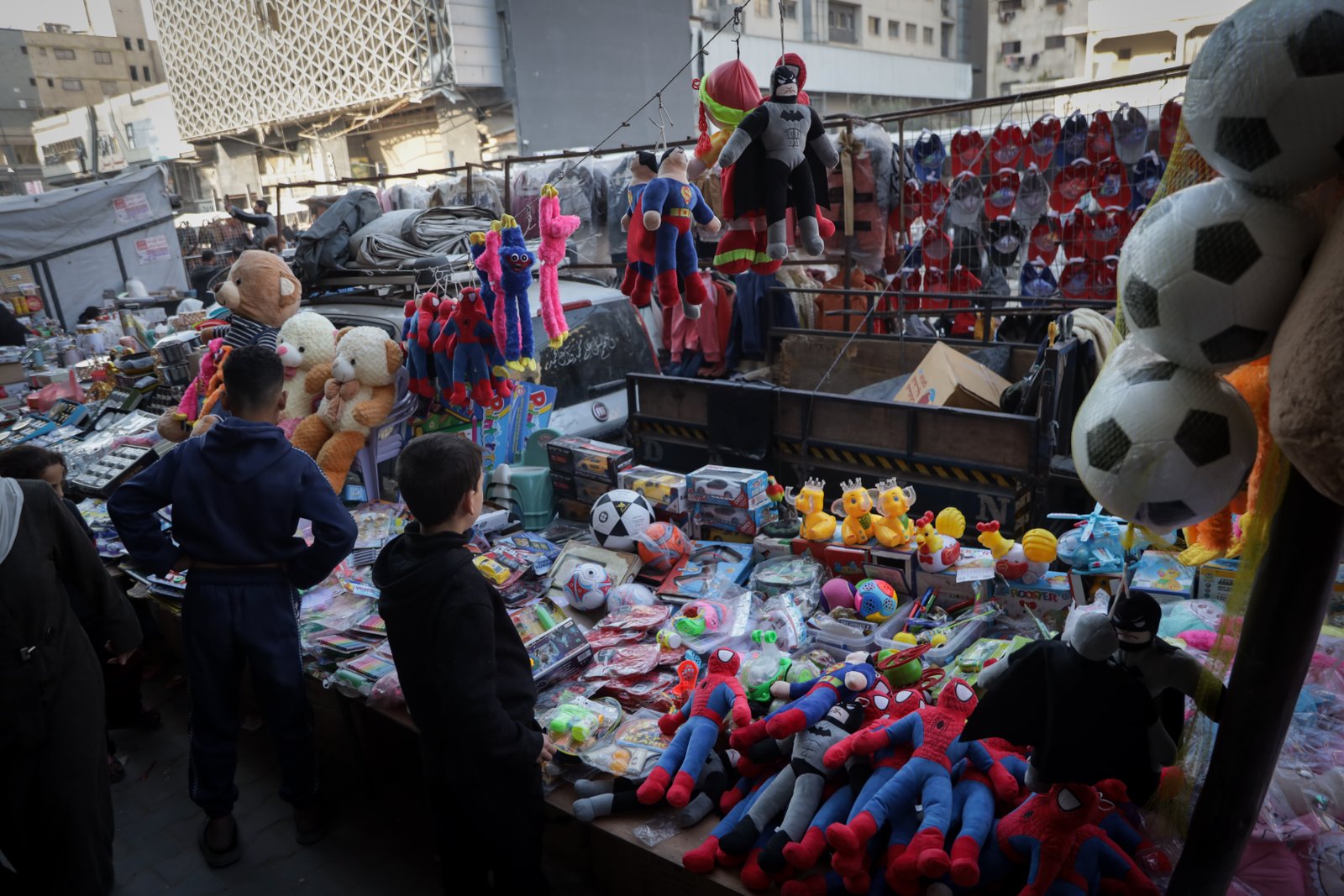
In the lively al-Rimal market of Gaza City,Rania al-Saudi stands with her two daughters,confronted by the soaring prices of toys that once brought simple happiness. She intended to purchase two dolls as Eid gifts, but the inflated costs have turned this modest wish into an impossible expense.
The Hidden Struggles Behind Every Toy Purchase
Rania’s experience is shared by many parents who visit toy vendors daily only to leave without buying anything due to prohibitive prices amid Gaza’s ongoing economic hardships. Originally from Shujayea in eastern Gaza, she was displaced westward by conflict yet remains steadfast to create moments of joy for her children during Eid-a time traditionally marked by festivity and gift-giving.
“Toys are supposed to bring delight during holidays,” she reflects with sadness. “But our children are denied even that small comfort.” Before their home was destroyed, her daughters had a variety of toys for special occasions; now thay resort to makeshift games like drawing patterns in sand or playing hopscotch as real toys are either unavailable or unaffordable.
The Disruption of Play: Childhood Amid Conflict
The outbreak of war in october 2023 devastated countless families across Gaza. Many children lost treasured belongings-including their toys-due to destruction or forced displacement.With official crossings closed and imports severely restricted under Israel’s tightened blockade following renewed hostilities, recreational goods have almost entirely vanished from local markets.
Children like Rania’s daughters must invent new ways to entertain themselves without access to familiar playthings. Homemade dolls and improvised games cannot replace what they once enjoyed or longed for.
The Economic Impact on Toy Vendors
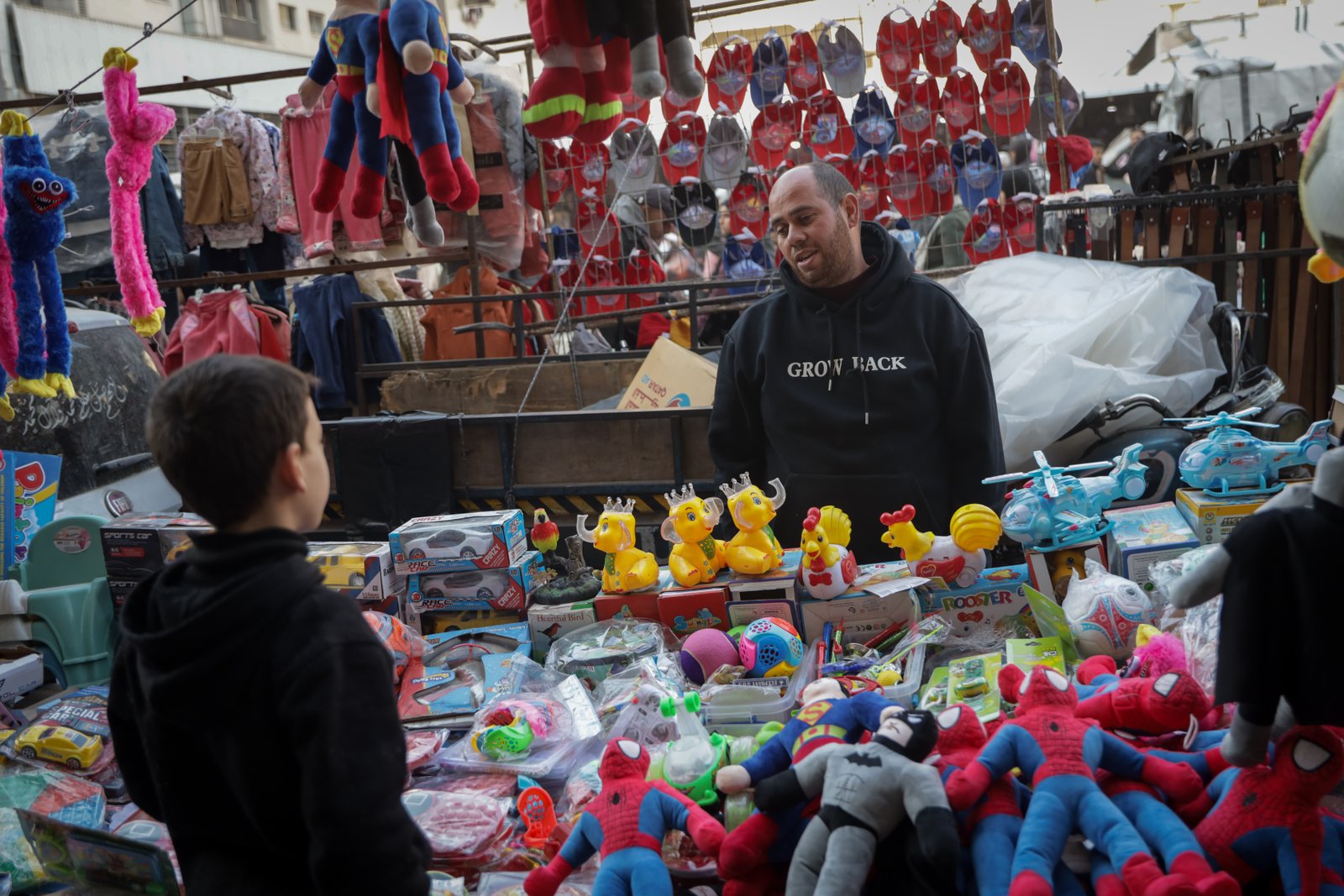
Anwar al-Huwaity has managed his toy stall for over twenty years but describes current conditions as remarkably tough. “Before tensions escalated, toys were widely available,” he explains. “Now we rely on traders who hoard stock and sell it at triple the price.” Most shipments arrive through unofficial routes at exorbitant costs-sometimes reaching 12,000 shekels ($3,870) per small batch-and face confiscation risks without compensation.
This situation forces sellers like Anwar into a harsh dilemma: either pass these high expenses onto customers struggling financially or risk going out of business themselves. Holiday sales that once generated between $6,500 and $10,000 now barely reach $1,000-mostly through bulk purchases rather than individual buyers seeking gifts for their children.
A Business Burdened by Community Hardship
Anwar shares his emotional struggle witnessing families unable to afford basic joys amid widespread suffering: “Parents plead with me for lower prices as many children here have lost parents or homes due to war.” His work no longer brings satisfaction but rather highlights the deep pain experienced throughout Gazan society today.
Trade Barriers Worsen Scarcity Amid Ongoing Conflict
the shutdown of key commercial crossings such as Karem Abu Salem (Kerem Shalom)-Gaza’s primary entry point from Israel-has effectively halted most non-essential goods since late 2023 when hostilities intensified again after failed ceasefires.
This blockade has contributed significantly toward famine-like conditions declared especially severe in northern Gaza where food insecurity compounds shortages not only in essentials but also recreational items crucial for childhood growth and mental health.
No explicit ban exists on importing toys; though administrative obstacles combined with prioritization of humanitarian aid block these products’ entry into local markets entirely-resulting directly in extreme scarcity reflected through skyrocketing retail prices reported across multiple vendors today.
Youthful Resilience Through Local Traders’ Stories
Younger vendor Ahmed Ziara recalls participating regularly at large toy fairs before trade restrictions forced him into smuggling merchandise hidden inside clothing shipments just so some products could reach consumers despite significant risks:
- A small plastic car priced at 40 shekels ($13) last year now sells around 150 shekels ($48).
- Tiny rubber balls previously costing 3 shekels ($1) have surged tenfold up to approximately 30 shekels ($10).
- Dolls exceed 70 shekels ($22), while building blocks are nearly impossible finds due mainly to scarcity combined with inflated black-market pricing caused by supply chain disruptions linked directly back to border closures enforced as October 2023 onward.
“Sometimes I reduce my profit margins just so I can clear inventory,” Ahmed admits candidly while expressing hope that if normal trade resumes soon prices will stabilize allowing families affordable access again during future holidays.”
A Beacon Amid Adversity: The Drive To Restore Childhood Normalcy
Beneath all daily challenges lies an unyielding dedication among sellers like Anwar and Ahmed-to rekindle moments of happiness within children’s lives despite overwhelming odds imposed by prolonged conflict affecting every aspect from economy downwards toward social fabric within besieged communities throughout Gaza today.
Toys represent far more than mere objects-they embody fleeting relief amidst hardship-a chance for childhood innocence preserved against all adversity even when circumstances threaten otherwise.”