



Eli Lilly’s Strategic Expansion in U.S. Manufacturing to Boost Obesity Drug Output
Scaling Up Domestic Production to Address Rising Demand
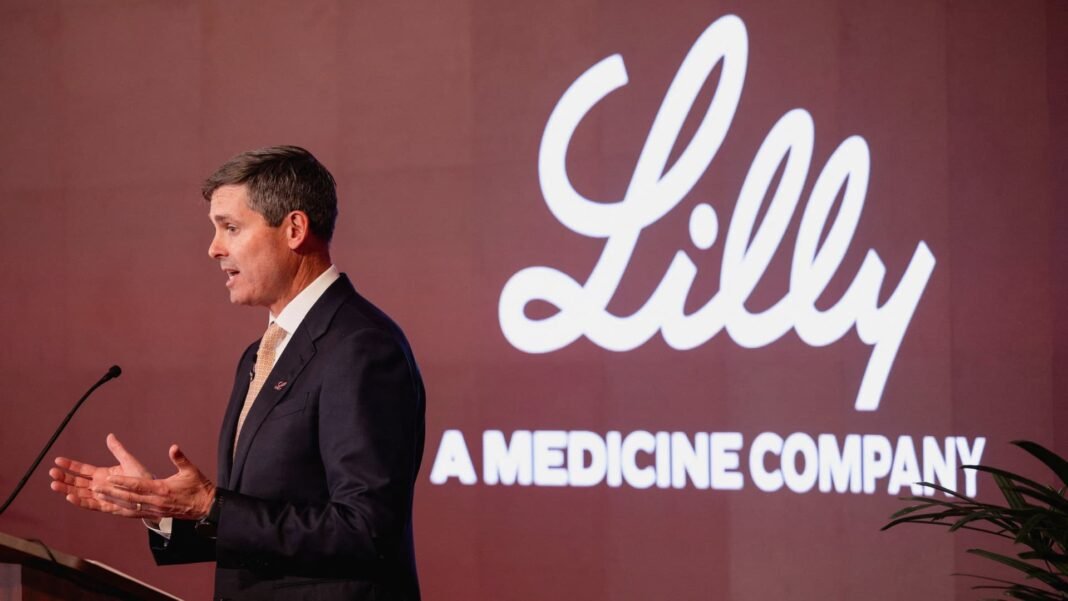
Eli Lilly is committing over $3.5 billion toward constructing a state-of-the-art manufacturing facility in Lehigh valley, Pennsylvania, dedicated exclusively to producing its innovative obesity treatments. This initiative marks the company’s fourth major manufacturing expansion within the United states as part of a broader effort to enhance domestic pharmaceutical capabilities.
Construction is scheduled to commence later this year, with full operational status anticipated by 2031. The new plant will create roughly 850 permanent positions across engineering, scientific research, operations, and laboratory functions.Additionally, approximately 2,000 temporary jobs will be generated during the construction phase.
Retatrutide: Revolutionizing weight Management Therapies
The upcoming facility will primarily focus on manufacturing retatrutide-an experimental medication that has shown remarkable weight loss outcomes in advanced clinical trials targeting obesity treatment. Unlike current therapies that influence one or two gut hormones, retatrutide uniquely targets three hormones simultaneously, potentially delivering superior results for patients with severe obesity who require substantial weight reduction.
This year, Eli Lilly plans to release further data from seven phase three clinical trials evaluating retatrutide’s efficacy and safety as it moves toward regulatory approval and eventual market launch.
Integrating Retatrutide into a Comprehensive Obesity Treatment Portfolio
The expanded production capacity supports Eli Lilly’s diverse range of obesity therapies-including the widely used injectable Zepbound and an oral medication currently under development for weight management. Together these options offer tailored solutions addressing various patient needs amid the escalating global obesity crisis.
Heightened Competition: The Battle with Novo Nordisk Intensifies
Eli Lilly competes fiercely with Danish pharmaceutical giant Novo nordisk within the rapidly growing GLP-1 drug segment-a class effective against both type 2 diabetes and obesity. In a notable shift last year, Eli Lilly surpassed Novo Nordisk as the leading GLP-1 therapy provider by market share in the United States.
Novo Nordisk recently introduced the first-ever orally administered GLP-1 drug approved specifically for treating obesity; since its early-year debut it has amassed thousands of prescriptions nationwide. In response, Eli Lilly is advancing its own oral candidate named orforglipron which may gain approval later this year-further intensifying competition between these industry leaders.
Tackling Supply Chain Constraints Amid Surging Demand
Both companies have considerably increased investments in expanding their manufacturing infrastructure following supply shortages experienced during peak demand periods for weekly injectable treatments across U.S markets over recent years.
This surge aims not only at fulfilling immediate patient needs but also at securing long-term leadership amid rising global obesity rates-which WHO estimates exceed 650 million adults worldwide as of mid-2024-and growing reliance on pharmacological interventions beyond lifestyle modifications alone.
The Influence of Policy on Manufacturing Strategies
The drive toward bolstering domestic drug production stems partly from political pressures including prior threats related to tariffs on imported pharmaceuticals into America under previous administrations. Though, recent voluntary agreements concerning drug pricing have temporarily eased tariff concerns affecting companies like Eli Lilly and Novo Nordisk through multi-year exemptions.
“Establishing robust local supply chains guarantees timely access to cutting-edge medicines while fostering American employment,” industry experts noted following Eli Lilly’s announcement regarding their Pennsylvania expansion project.”
Economic Benefits Extending Beyond Pharma Industry Boundaries
The Lehigh Valley investment exemplifies how large-scale pharmaceutical projects can invigorate regional economies by generating employment opportunities not only during construction but also through ongoing operations involving highly skilled professionals such as biopharmaceutical scientists and engineers specializing in advanced manufacturing technologies.
- Total investment: More than $3.5 billion allocated specifically for next-generation obesity drug production;
- Employment impact: Approximately 850 permanent roles plus nearly 2000 temporary construction jobs;
- Treatment innovation: Focused primarily on retatrutide alongside other cutting-edge therapies;
- sustainability efforts: Reinforcing domestic supply chains amid evolving healthcare policies;
- Disease burden addressed: Targeting one of today’s most urgent public health challenges-obesity-with novel pharmaceuticals;
A Visionary Approach Toward Accessible Obesity Care
Eli Lilly’s commitment reflects an industry-wide trend where leading pharmaceutical firms invest heavily not only in research and development but also infrastructure capable of efficiently delivering transformative treatments at scale for chronic conditions like obesity-a disease linked globally with heightened risks for diabetes complications cardiovascular diseases and diminished quality of life especially exacerbated by lifestyle changes observed post-pandemic era worldwide today more than ever before due to lifestyle shifts post-pandemic era changes..


