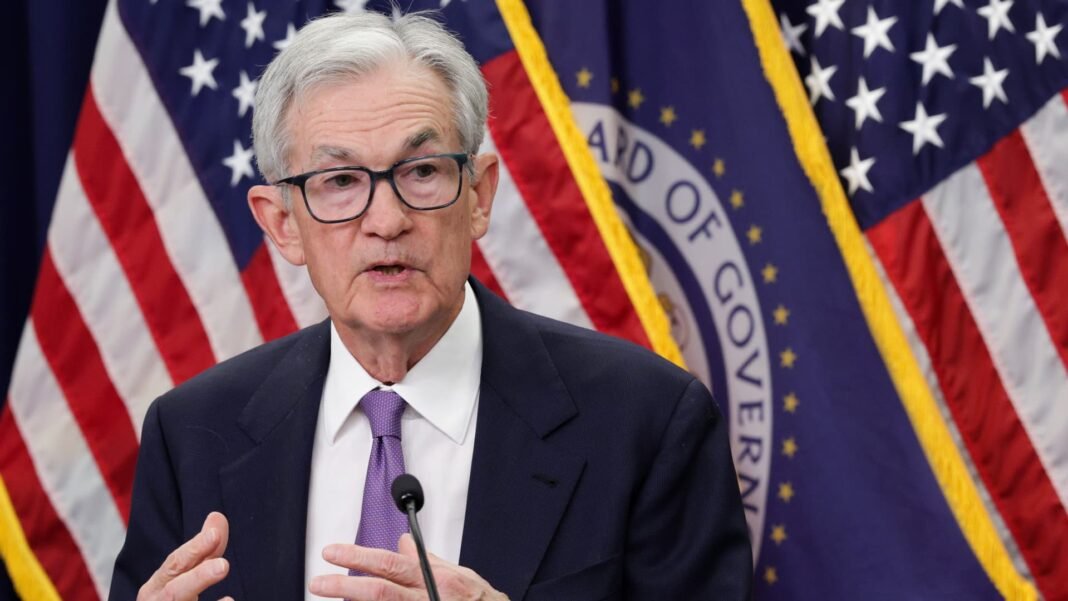
Federal Reserve Halts Interest Rate Cuts amid Shifting Economic Landscape
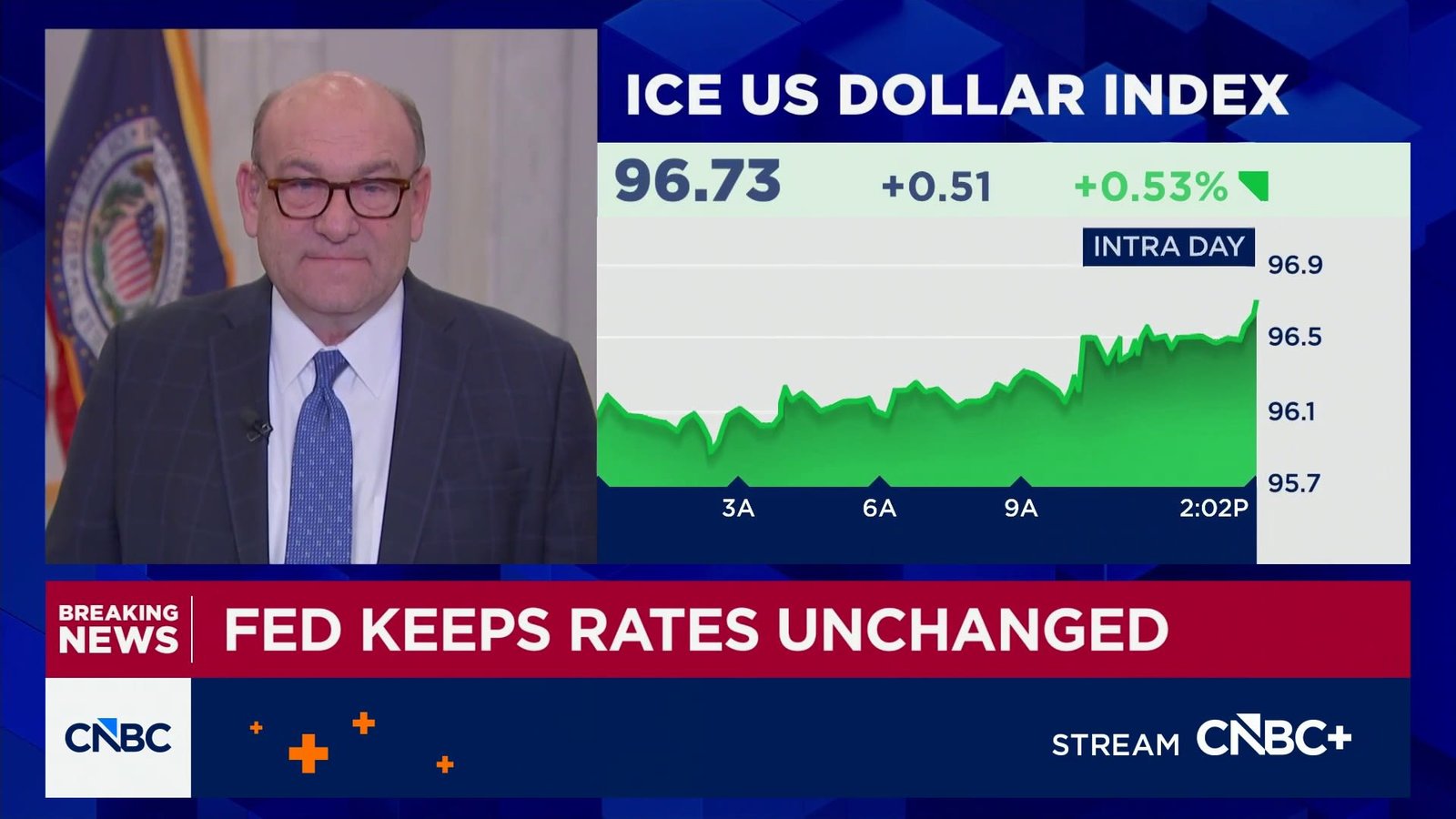
Maintaining Stability: Fed Pauses Rate Reductions
the Federal Reserve has chosen to suspend its recent pattern of lowering interest rates,keeping the federal funds rate steady between 3.5% and 3.75%. This decision interrupts a sequence of three consecutive quarter-point cuts that where initially introduced to protect the labor market from potential economic headwinds.
The Federal Open Market Committee (FOMC) conveyed growing assurance in ongoing economic growth while showing less apprehension about labor market fragility compared to inflationary pressures.
According to the official statement, “economic activity continues expanding at a solid pace,” with job creation remaining moderate and unemployment figures stabilizing. Still, inflation remains persistently above the target range.
Navigating Inflation and Employment Objectives
A significant shift in the Fed’s dialog involved removing language that previously emphasized greater risks from labor market weakness than from sustained inflation. This change reflects a more balanced approach between curbing price increases and supporting employment levels, justifying a temporary pause on further rate reductions.
The committee refrained from offering explicit forecasts regarding upcoming policy adjustments; however, financial markets largely expect no changes until at least mid-year.
“In evaluating potential modifications to the federal funds rate target range, we will carefully consider incoming data alongside evolving economic risks,” stated the FOMC-reiterating sentiments introduced late last year that suggest an end to easing measures initiated in September 2025.
Economic Indicators and Market Responses
Treasury yields rose following this announcement while major stock indexes such as the S&P 500 hovered near critical psychological levels around 7,000 points without significant movement.
Economic expansion remains strong; third-quarter GDP grew at an impressive annualized rate of 4.4%, with fourth-quarter projections reaching approximately 5.4%, based on recent regional Federal Reserve estimates. Hiring momentum has slowed somewhat amid tighter immigration enforcement policies under current administration directives-yet layoffs remain low as initial jobless claims hit their lowest level in two years.
Dissenting Voices: Miran and Waller Advocate for Additional Cuts
The decision was not unanimous; Governors Stephen Miran and Christopher Waller voted against holding rates steady by advocating for another quarter-point reduction. Miran has consistently supported deeper cuts during recent meetings while Waller also favors further monetary easing despite prevailing caution among other members.
Both appointees were nominated during President Donald Trump’s tenure-Miran filling an unexpired seat since September 2025 with his term ending imminently this weekend, while Waller was confirmed earlier during Trump’s first term. despite recently interviewing for Fed chair after Jerome Powell’s departure following eight years marked by crises including a global pandemic and recessionary challenges, waller is considered an unlikely candidate for leadership succession.
Challenges Surrounding Central Bank independence
This period is characterized by intensified scrutiny over Federal Reserve autonomy amid political tensions rarely witnessed before.The Justice Department has subpoenaed Chair jerome Powell concerning extensive renovations at Fed headquarters-a probe highlighting ongoing friction between monetary authorities and executive branch ambitions.
“The case currently before the Supreme court could be one of greatest meaning in our institution’s history,” powell remarked regarding legal proceedings involving attempts by former President Trump’s administration to remove Governor Lisa Cook-a matter still pending judicial resolution.
A Legacy of Political Pressure on Monetary Policy
While past presidents have exerted subtle or behind-the-scenes pressure on Federal Reserve decisions, none matched former President Trump’s overt public confrontations aimed at influencing interest rates or personnel choices within America’s central banking system.This unprecedented environment complicates efforts toward consistent policymaking amid dynamic global economic conditions.
persistent Inflation Challenges Despite Improvements
Even though inflation has eased considerably as reaching four-decade highs recently observed globally-including U.S consumer prices peaking near 9% annually-it stubbornly lingers around three percent nationally-above the Fed’s long-term goal of two percent-which fuels debate among officials about whether additional tightening is warranted before any future easing cycle.
- Tariff effects: Remaining tariffs imposed during previous trade conflicts continue exerting upward pressure on consumer prices but are expected within Federal Reserve circles to wane later this year;
- Mild slack in labor markets: Slower hiring contrasts with historically low unemployment claims indicating underlying resilience;
- Evolving outlook: Strong growth momentum encourages cautious optimism yet demands vigilance against overheating risks;
The Path Forward: Anticipated Interest Rate Trajectory
CME Group futures currently predict no more than two additional rate reductions throughout all of 2026-with no cuts expected into early 2027 nonetheless who assumes leadership next at the central bank helm.
“Rick Rieder-the BlackRock bond chief-is widely regarded as front-runner among candidates potentially succeeding Powell,” analysts observe based on emerging consensus across financial sectors seeking continuity paired with pragmatic policy stewardship moving forward.”