Decoding the Intricacies of Contemporary Geopolitics in a Digital Era
In an age dominated by rapid digital dialog,complex geopolitical issues are often reduced to fleeting social media clips lasting just seconds. Platforms like TikTok and Instagram have eclipsed conventional news sources by not only accelerating data flow but also molding public interpretation of international affairs. This swift spread frequently fosters an illusion of instant comprehension, masking the profound complexity behind global events.
the 2026 US Military Action in Venezuela: Unfolding Realities
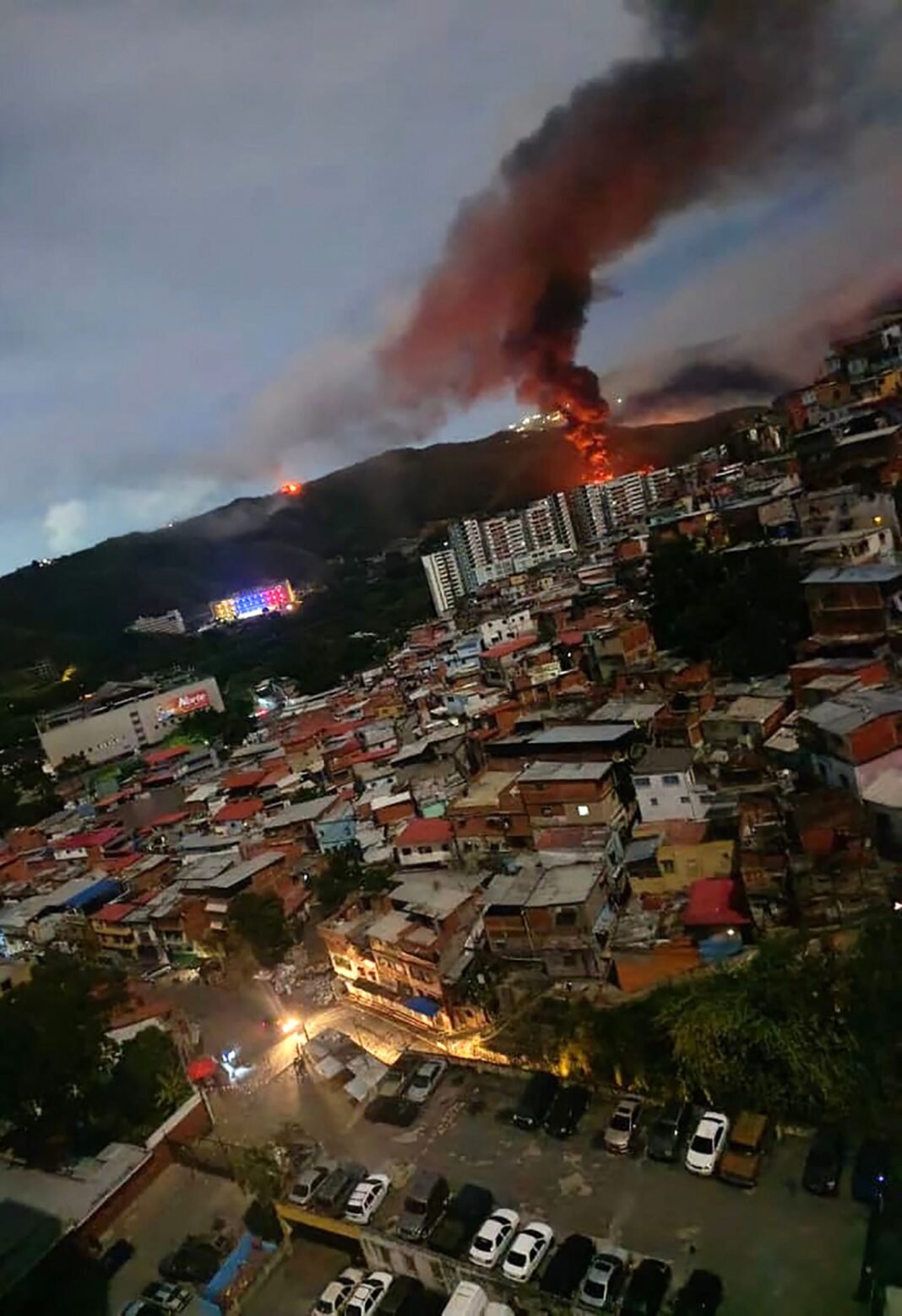
On January 3, 2026, a significant US military operation targeted Venezuela, triggering multiple explosions across Caracas. Cuban President Miguel Díaz-Canel confirmed that 32 Cuban soldiers perished during the conflict. Official accounts report over 80 fatalities encompassing both civilians and military personnel amid the turmoil. The mission concluded with the apprehension of Venezuelan president Nicolás Maduro,who was subsequently transferred under heavy security to New York to face charges including narcoterrorism.
In response to these developments, former US President Donald Trump announced plans to temporarily oversee Venezuelan governance until conditions were deemed stable for transition. He also revealed intentions for American oil corporations to rejuvenate Venezuela’s faltering petroleum industry. Meanwhile, from Caracas, Vice President Delcy Rodríguez demanded Maduro’s immediate release and vowed that Venezuela would resist any future foreign domination. At this time Maduro was detained at Brooklyn’s Metropolitan Detention Center.
this intervention signifies a renewed chapter in direct US military involvement within Latin America-a practice many assumed had become obsolete decades ago-and its reality contrasts sharply with oversimplified portrayals circulating on social media platforms.
the Decline of Fact-Checking Amidst Digital overload
The traditional rigor of verifying facts has been overwhelmed by the relentless surge and velocity of content on social networks. Julio Juárez,a psychological expert from Mexico’s Universidad Nacional Autónoma de México (UNAM),emphasizes how platforms such as TikTok amplify diverse narratives rapidly but often blur distinctions between verified data and opinion or propaganda.
“Social media doesn’t merely relay events; it actively shapes constructed realities,” juárez states. “Donald Trump’s post-attack declarations were calculated moves designed both to legitimize his actions and deepen societal rifts.”
On January 3rd morning alone, Trump used his Truth Social account to proclaim success in a “large-scale attack” against Venezuela with Maduro captured alongside his wife Cilia Flores-both initially flown to Guantanamo Bay before being moved under tight security arrangements to New York City.
A Satirical Lens Capturing Regional sentiments
An animated video posted by Spanish-language Instagram channel Historia Para Tontos (History for Dummies) went viral by humorously yet critically depicting geopolitical tensions: while Mexico peacefully welcomed the new year nearby, a caricatured United States boasted about bombing Venezuela “for world security,” concluding with “And I am the world.” This satire cleverly critiques American exceptionalism through irony rather than confrontation.
- User reactions exposed deep divisions: some questioned why international law remained silent during years when Venezuelans endured hardships under Maduro; others condemned any form of external interference regardless of internal abuses.
- A poignant comment asked why global powers ignored human rights violations inside Venezuela for decades yet suddenly justified invasion now-highlighting frustration over perceived double standards in international responses.
Diverse Voices From Within Venezuela and Beyond
Sociologist rafael uzcátegui from Caracas expresses concern about biased external narratives overshadowing well-documented human rights reports detailing ongoing crises inside Venezuela:
“Despite extensive evidence compiled collaboratively with international organizations,” he remarks, “some outsiders selectively interpret facts through ideological lenses rather than humanitarian perspectives.”
tecayahuatzin mancilla-the creator behind Historia Para Tontos-explains their content aims at exposing historical patterns where US interventions sidestep international law whenever convenient-a trend previously witnessed across regions like Iraq or Afghanistan now resurfacing after nearly three decades’ pause in Latin America.
Mancilla acknowledges intense polarization among Venezuelans themselves: some perceive military action as necessary following failed political efforts; others denounce it as sovereignty violation driven by imperial ambitions. Both viewpoints arise from personal experiences shaped either within years enduring turmoil or exile abroad..
The Influence of Alternative Media Under Repressive Conditions
An anonymous journalist based in Venezuela describes how government-imposed digital blackouts serve oppressive goals aimed at silencing dissenters while underground networks creatively use social media-including comedic sketches-to circulate alternative perspectives despite algorithmic suppression intended to depoliticize content:
- Autonomous investigative groups such as Alianza Rebelde continue risking personal safety without adequate resources striving for truthful reporting on worsening conditions;
- the diaspora community plays an essential role preserving collective memory beyond transient online trends;
- This shared storytelling demands deliberate efforts ensuring narratives endure past ephemeral posts toward shaping future national identity discussions;
Navigating Polarization Within Online Communities
Mancilla observes that social platforms foster echo chambers where users rigidly adhere to singular viewpoints bolstered by thousands supporting them online-leaving scant space for nuanced dialogue or mutual understanding:
“Social media no longer promotes listening-it rewards certainty even if incorrect,” he laments.
“Genuine dialogue requires openness amidst disagreement; or else debates devolve into battles rather of shared learning experiences.”
This fragmentation complicates organizing meaningful conversations amid memes ranging from humorous portrayals like ‘Maduro DJ’ jokes up through aggressive political propaganda flooding timelines across TikTok or Instagram alike.Juárez stresses traditional journalism still holds vital responsibility organizing discourse responsibly-not dictating opinions but contextualizing developments clearly so audiences grasp implications without falling prey solely either sensationalism or misinformation.
Uzcátegui adds political discussion inside venezuela faces near-total censorship due mainly fear-driven self-censorship limiting public debate spaces:
- WhatsApp remains one primary channel where citizens cautiously exchange news discreetly;
- Cultivating trustworthy sources within fragmented communities is essential given shrinking safe zones caused by repression;
- This challenge intensifies ahead given upcoming electoral cycles requiring informed citizenry despite pervasive intimidation tactics;
The Algorithmic Foundations Fueling Divided Echo Chambers
A principal factor driving digital fragmentation lies in disintermediation-the phenomenon whereby individuals concurrently act as consumers and producers filtering information solely according their preferences:
“Platforms encourage users selecting confirmatory content reinforcing preexisting beliefs,” Juárez explains.”this creates bubbles isolating people from opposing views leading inevitably towards polarization.”
Recent studies reveal evolving news consumption habits among younger demographics worldwide:
- TikTok serves as frequent news source for approximately16%of surveyed youth;< /LI >
- WhatsApp usage reaches19%; Facebook36%; YouTube30%, reflecting diversified platform reliance;< /LI >
Emotional responses Outweigh Rational Debate Shaping Network Behavior
Polarization arises less because algorithms intentionally promote conflict but more due emotional reactions dominating user interactions:
“Sharing impulsively driven outrage fuels feedback loops amplifying toxicity organically,” says Petter Törnberg,
a researcher studying network effects.
“Basic features like liking/forwarding suffice turning platforms into echo chambers feeding reactive psychology.”An anonymous Venezuelan source underscores potential positive role digital spaces can play if genuine dialogue replaces reactionary exchanges:
“Healing wounds precedes reasoned conversation essential overcoming entrenched divisions caused both internal strife & external pressures.”
This individual condemns foreign intervention while empathizing with those celebrating justice served against authoritarian rule – highlighting complexity inherent within polarized communities facing multifaceted geopolitical forces including influence exerted not only by US imperialism but also Russia & China alike.
Cognitive Overwhelm Weakens critical Thinking Capacities
The overwhelming flood information strains finite human attention spans prompting mental shortcuts simplifying complex realities:
“People tend close off once saturated opting quick judgments based on fragments seen briefly online,” Juárez warns.”This simplification acts defense mechanism reducing anxiety triggered proximity traumatic events.”
If society loses capacity distinguishing fact versus fiction en masse civic agency erodes fundamentally – jeopardizing democratic processes globally especially amid volatile crises such as unfolding situation involving venezuela.
A Complex Narrative Demanding Depth Beyond Headlines
The recent us-venezuela conflict represents not an isolated incident but part broader evolving dynamic reshaping geopolitics under unprecedented technological disruption . As citizens navigate fragmented landscapes flooded misinformation , cultivating critical thinking alongside fostering inclusive dialogues becomes imperative . Only then can societies hope transcend divisive noise towards informed engagement capable addressing root causes underlying contemporary conflicts .