Transforming Nestle: Strategic Shifts adn Future Directions
Streamlining Workforce for Enhanced Productivity
Nestle, a leading global food and beverage company, has unveiled plans to reduce it’s workforce by 16,000 positions as part of a thorough strategy to improve operational efficiency. This includes cutting 12,000 white-collar jobs and an additional 4,000 roles over the next two years under the guidance of new CEO Philipp Navratil. The move marks a significant realignment in the company’s operational approach.
Navratil highlighted the company’s dedication to modernization, explaining that Nestle is simplifying its organizational framework while expanding automation efforts. However, this initiative goes beyond merely substituting human labor with artificial intelligence; it represents a broader push toward upgrading processes and boosting productivity across the board.
Financial Highlights and Market Response
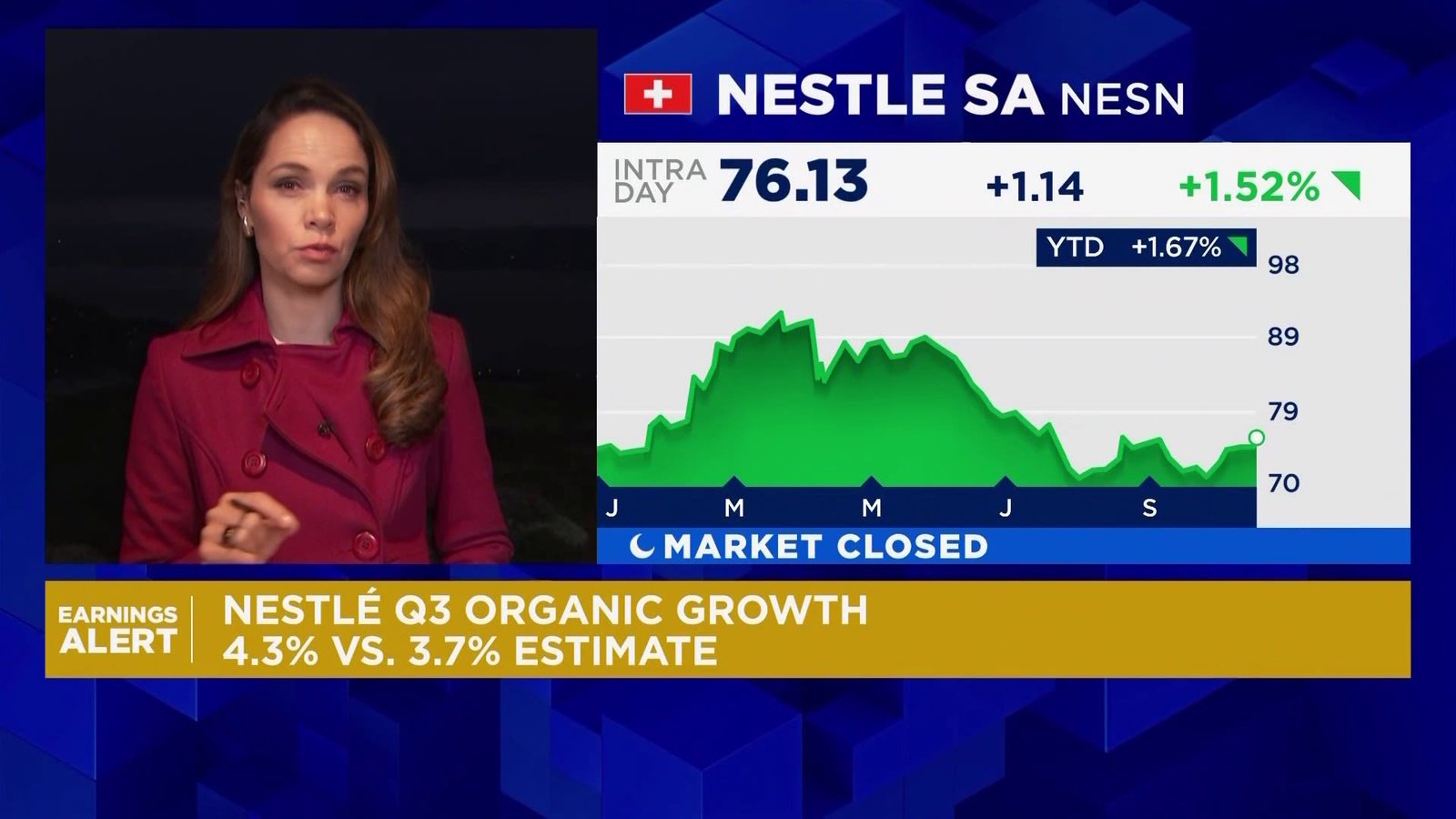
Following the declaration of restructuring plans, Nestle’s stock price jumped by 9.3%, sparking gains throughout Europe’s food and beverage sector which closed up more than 4.2%. This surge came on the heels of a robust third-quarter organic growth rate of 4.3%, surpassing expectations despite persistent challenges such as rising commodity costs and geopolitical tensions affecting consumer spending patterns.
The company also reported a rebound in real internal growth (RIG) to +1.5% during this period, fueled by strategic investments in flagship brands like Nespresso and KitKat. Favorable year-over-year comparisons combined with targeted marketing initiatives contributed to this positive momentum.
Leadership Transitions amidst Corporate challenges
The past year has seen significant leadership upheaval at Nestle. Former CEO Laurent Freixe was removed following violations of corporate conduct policies, paving the way for Philipp Navratil-previously head of Nestle’s Nespresso division-to take charge with a mandate to accelerate transformation efforts focused on value creation.
In addition to CEO changes, Chairman Paul Bulcke stepped down earlier than anticipated due to shareholder concerns over governance issues. His successor will be Pablo Isla, former CEO of Inditex, who is expected to bring fresh strategic insights when he officially assumes his role after the upcoming annual general meeting.
Market-Specific Obstacles: The Case of Greater China
Nestle continues grappling with difficulties in key markets such as Greater China where organic growth declined by approximately 0.8 percentage points in Q3 alone. This region also pulled down RIG by around 0.4 percentage points as new management implements recovery strategies aimed at revitalizing sales volumes.
Industry experts note that while short-term volume recovery is underway through promotional activities and product innovation, longer-term solutions may involve divesting underperforming segments including parts of its water business and vitamin supplements division. Investors are also closely monitoring potential strategic moves related to Nestle’s significant stake in L’Oreal.
Expanded Cost-Cutting Initiatives Amid Rising Input Prices
Nestle initially targeted cost savings of 2.5 billion Swiss francs ($3.14 billion), but has now raised this goal to 3 billion francs extending through 2027 in response to ongoing inflationary pressures on raw materials such as cocoa and coffee beans worldwide-impacted heavily by climate change disruptions and global trade frictions.
A Renewed Operational Focus
“We need faster decision-making paired with sharper resource allocation,” Navratil recently remarked regarding portfolio priorities. “Our emphasis will be on businesses delivering superior returns while fostering sustainable expansion.”
Rebuilding Investor Trust in a volatile Environment
Nestle’s share price has fallen more than 40% from its peak in late 2021 amid operational setbacks and market volatility; it declined nearly 9% over the past year alone. Analysts emphasize that restoring investor confidence hinges on transparent interaction from leadership about progress on turnaround strategies alongside measurable improvements in core markets.
many long-term shareholders remain cautious until clearer signals emerge from Navratil and Isla regarding future direction given their relatively low public profiles compared with previous executives.
automation Strategy Beyond AI-driven Layoffs
This approach contrasts sharply with trends in other sectors where companies have aggressively cut jobs primarily through AI adoption-for instance, some technology firms have announced over 17,000 AI-related layoffs so far this year according to industry trackers-highlighting Nestle’s broader focus on process enhancement rather than wholesale workforce replacement solely via technology.
- leadership Restructuring: Executive changes reflect governance challenges but open doors for renewed strategic execution.
- Sustained Organic Growth: Core brands demonstrate resilience amid inflationary pressures through steady sales momentum.
- Portfolio Optimization: Selective divestitures aim at concentrating resources on high-growth sectors within food & beverage markets.
- Diverse Automation Focus: Emphasis placed not only on AI but comprehensive process improvements enhancing productivity without mass layoffs driven solely by technology replacement models.
navigating Complex Global Market forces
Nestle operates within an intricate global landscape shaped by fluctuating commodity prices influenced by climate variability affecting cocoa harvests; shifting consumer preferences favoring healthier options; plus geopolitical tensions impacting trade policies between major economies including the U.S., China, and Europe-all factors shaping corporate strategy through mid-decade horizons.
- Cocoa Supply Constraints: Recent droughts in West Africa have tightened global supplies causing price surges that squeeze confectionery margins worldwide-including iconic products like KitKat produced under Nestle’s brand portfolio;
- Evolving Consumer Preferences: Growing demand for plant-based alternatives drives innovation pipelines requiring capital reallocation;
- Sustainability Imperatives: Increasing regulatory scrutiny compels investment into eco-friendly packaging aligned with global ESG commitments;
- Differential Market Recovery Rates: western markets show steady post-pandemic rebounds while emerging economies face slower recoveries necessitating tailored regional strategies;
- Dynamism in Leadership Vision: New executives tasked not only with stabilizing operations but fostering agility amid rapid technological advances shaping future competitive landscapes;
A Vision for Sustainable Growth Ahead
nestle stands at a critical crossroads where decisive action paired with clear strategic focus can restore its position among leading global consumer goods companies while adapting effectively to evolving economic realities worldwide.
The firm’s commitment to rigorous prioritization signals readiness not just for survival but long-term success beyond recent challenges.
As it accelerates transformation under new leadership,Nestle aims not only to reclaim lost ground but also set new industry standards through innovation-driven operational excellence supported by prudent financial management.