



Pat Gelsinger’s next venture: Pioneering Semiconductor Breakthroughs Beyond Intel
Following his exit from Intel, Pat Gelsinger has embarked on a new journey within the semiconductor realm, this time as a general partner at Playground Global. He is actively engaged with ten innovative startups, with xLight emerging as a standout. This company recently secured a preliminary agreement for up to $150 million in funding from the U.S. Commerce Department, marking important government involvement and positioning the state as an influential stakeholder in xLight’s future progress.
Government’s Growing Role in Semiconductor Innovation
This milestone not only reflects Gelsinger’s continued influence after 35 years at Intel but also signals a broader shift: increased government participation in critical technology sectors. While some Silicon Valley voices express unease over this trend-questioning its impact on free-market dynamics-the strategic importance of semiconductors has prompted administrations to take more active roles through equity investments and partnerships.
“Where does free enterprise fit into this equation?” pondered California Governor Gavin Newsom during recent discussions, echoing concerns about balancing market-driven innovation with state intervention.
A Laser-Focused Mission: Advancing Lithography Technology
Amid debates surrounding public versus private sector roles, Gelsinger remains committed to tackling what he sees as the semiconductor industry’s most pressing challenge: lithography technology. As executive chairman of xLight, he supports their groundbreaking approach-developing massive “free electron lasers” powered by particle accelerators that could transform chip manufacturing if scaled successfully.
“My vision is to sustain Moore’s law,” Gelsinger stated-a reference to the principle that computing power should double roughly every two years through technological progress.
xLight’s Vision: Revolutionizing Chip Fabrication Through Scale and Precision
xLight plans to build enormous machines approximately 100 meters long and 50 meters wide-comparable in size to large sports stadiums-that will operate near semiconductor fabrication plants. These free electron lasers are designed to emit extreme ultraviolet (EUV) light at wavelengths close to 2 nanometers, significantly shorter than ASML’s current industry-standard EUV sources operating around 13.5 nanometers used globally today.
“Lithography represents nearly half of all capital expenditures in chip production,” explained Gelsinger. “At its essence lies light-the ability to innovate with shorter wavelengths and higher power directly fuels advancements toward next-generation semiconductors.”
The Expertise Behind xLight’s Ambition
Nicholas Kelez leads xLight with an uncommon blend of experience spanning quantum computing projects and engineering large-scale X-ray science facilities at national labs such as SLAC and Lawrence Berkeley National Laboratory. His leadership on initiatives like the Linac Coherent light Source demonstrates his capacity for managing complex photon-based technologies essential for advancing lithography tools.
The Strategic Timing for Free Electron Lasers’ Resurgence
Kelez highlights why major players like ASML abandoned similar approaches nearly a decade ago:
- The technology was immature;
- EUV lithography was still emerging;
- Tens of billions had already been invested into existing methods;
- The industry lacked readiness for disruptive or orthogonal solutions.
The current environment contrasts sharply-with EUV now standard across leading-edge fabs-and existing light source technologies approaching physical limits. The breakthrough lies in treating light generation externally rather than embedding it within each lithography tool itself.
“Instead of integrating light sources inside scanners-which limits size and power-we create utility-scale laser facilities outside fabs that deliver intense EUV illumination where needed,” Kelez explained alongside Gelsinger during recent talks.
A Clear Path Toward Market Entry by 2029
- xLight aims to produce its first silicon wafers using this novel technology by 2028;
- A fully commercial system is targeted for deployment no later than 2029;
- An initial letter of intent has been signed with New York CREATE near Albany as their launch site pending final agreements;
- $40 million has already been raised from investors including Playground Global; additional funding rounds are anticipated soon;
- This approach demands far less upfront capital compared with fusion energy or quantum computing ventures often requiring billions initially.
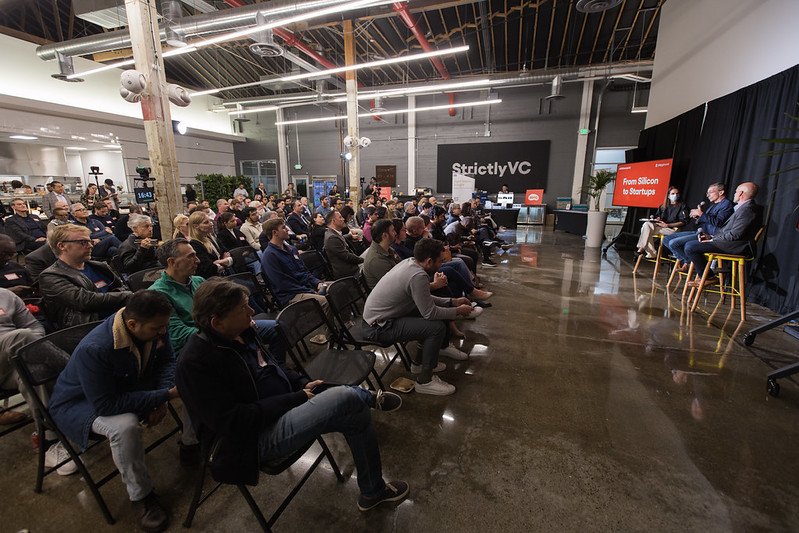
Cultivating Collaboration Over Competition Within Industry Giants
xLight fosters cooperative relationships rather than rivalry with dominant firms such as ASML; they are jointly exploring how xLight’s laser systems might integrate seamlessly alongside ASML scanners and optics suppliers like Zeiss.
“We view ourselves not as competitors but potential collaborators,” Kelez emphasized.
No formal purchase agreements have yet emerged from major chip manufacturers including Intel; though,
Gelsinger confirmed ongoing intensive dialogues involving all key industry leaders.
An Evolving Ecosystem Featuring Complementary Innovators
- This past October saw Substrate-a startup backed by peter Thiel-raise $100 million targeting U.S.-based fab development including novel EUV tools bearing similarities to aspects of xLight’s concept;
- Gelsinger regards Substrate not strictly as competition but perhaps customers as Substrate focuses on full-stack lithography scanners requiring high-power laser sources akin to those developed by xLight.
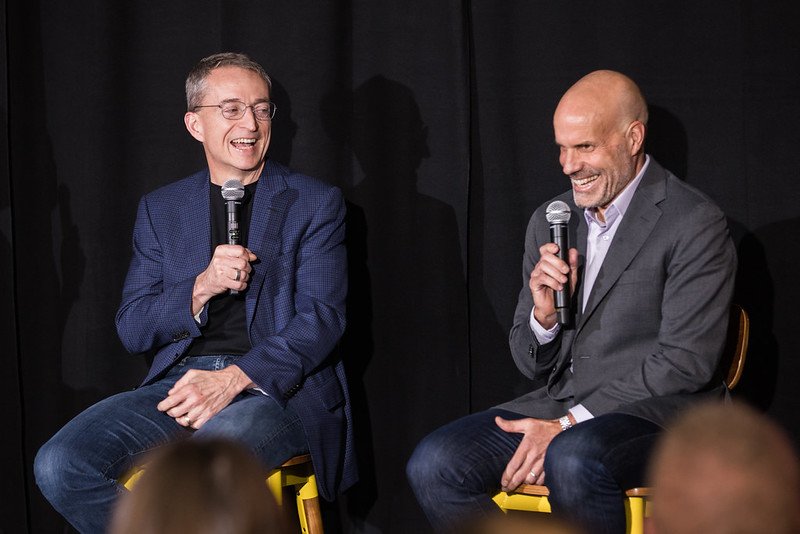
The Convergence Between Technological Progress And National security Strategy
Xlight’s collaboration with the U.S government aligns closely with broader efforts aimed at revitalizing domestic semiconductor manufacturing capabilities amid intensifying global competition.
Pitched initially over a year ago before official administration appointments,
this initiative reflects national priorities despite criticism framing it as governmental overreach or risk-laden intervention.Gelsinger defends these moves:
“The true measure is outcomes – does it strengthen our industrial base? Othre nations don’t debate these steps; they act decisively.”
He draws parallels between energy infrastructure challenges – noting China currently builds dozens of nuclear reactors while none are underway domestically – underscoring how strategic investments underpin economic competitiveness especially amid AI-driven digital economies.
Xlight benefits from limited governmental control:
The Commerce Department holds no veto rights or board seats;
No special access beyond standard investor privileges;
Investment represents minority ownership focused on aligning success without governance interference.
Currently valued after raising $40 million privately,
xLight plans further fundraising rounds while progressing toward commercialization milestones.
A Renewed Influence For Pat Gelsinger in Shaping The Future Of Semiconductors
Beyond overseeing multiple startups simultaneously,Gleslinger embraces his venture capitalist role enthusiastically:"I can impact diverse deep tech fields," he remarked, "and I appreciate Playground placing their trust in me."
Semi-jokingly adding: "And I finally gave my wife back her weekends."
This fresh chapter offers him both breadth across emerging technologies and sustained influence within an industry he helped pioneer-even if it means navigating political complexities unfamiliar within Silicon Valley orthodoxy.
Navigating Corporate Leadership Amid Political Dynamics
Citing pragmatism,Glesigner advocates CEOs remain apolitical focusing solely on business objectives irrespective of shifting administrations:
“CEOs shouldn’t be Republican or Democrat,” if policies benefit shareholders &&national competitiveness, a leader must adapt accordingly.
toward Trump-era funding specifically: “taxpayer investments will yield returns.”


