Elon Musk’s Vision for AI-Powered Satellites Confronts major Economic and Engineering Challenges
Aiming High: Deploying One Million AI Data Center Satellites in Space
Elon Musk has set forth an ambitious plan to launch a vast network of one million satellites by 2028, each serving as an AI data center orbiting Earth. This bold concept intends to transform the landscape of artificial intelligence processing by relocating computational workloads from terrestrial facilities into space. However,industry experts caution that this venture carries notable financial risks and technical uncertainties for SpaceX.
Scaling Up from Starlink: The Financial implications
SpaceX’s current Starlink constellation already exceeds 10,000 satellites providing global internet coverage.with each satellite costing roughly $2 million to build and deploy, expanding this model to a million units would demand an investment approaching $2 trillion-an amount comparable to SpaceX’s projected valuation post-IPO.
Aerospace specialist Robert Zubrin warns that such exponential growth coudl destabilize the company’s finances and disrupt its steady progress in aerospace innovation.
The Cost Disparity Between Orbital and ground-Based Data Centers
Zubrin emphasizes that while Earth-based data centers benefit from established infrastructure and relatively affordable energy sources, replicating these conditions in orbit is vastly more expensive. For instance, a typical Starlink satellite produces about 20 kilowatts through solar panels at an estimated cost near $100,000 per kilowatt-far surpassing terrestrial solar power costs which average around $3,000 per kilowatt on rooftops or even less when using fossil fuels.
This stark contrast raises serious doubts about whether space-based AI computing hubs can compete economically with their ground counterparts.
Technical Barriers: The challenge of Frequent Launch Cadence
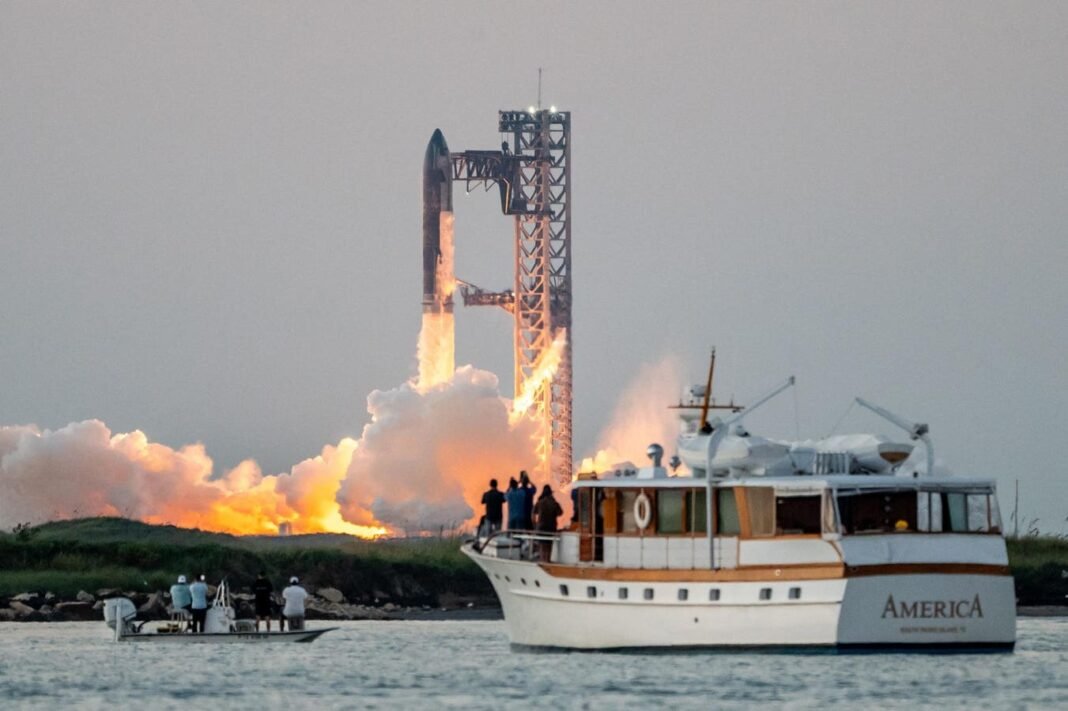
Musk envisions operating the Starship rocket at an unprecedented frequency-launching onc every hour-to meet deployment goals. This represents a dramatic increase compared to SpaceX’s current rate of approximately three launches weekly projected for 2025. Achieving nearly 8,700 flights annually with the still-experimental starship remains highly speculative given recent setbacks such as engine malfunctions causing uncontrolled descents during test flights.
The plan also involves recovering both rocket stages using large robotic arms mounted on launch towers aimed at slashing costs through reusability; however,this technology is still under development and far from proven at scale.
Lunar Mission Delays Affecting Timelines
SpaceX was initially contracted by NASA in 2021 for lunar surface missions involving crew transfers via starship landers targeting the Moon’s south pole. However, delays have prompted NASA to reopen bidding competitions where Blue Origin now competes aggressively against SpaceX for contracts expected to conclude by 2028.
The Debate Over feasibility versus Ambition
“The idea of launching one million orbital data center satellites currently borders on fantasy rather than reality,” states Dr. Zubrin.
Zubrin points out that Musk typically advances projects incrementally-each success financially supporting subsequent ventures-as seen with PayPal funding early efforts leading up to Falcon 9 rockets enabling Starlink deployments. Attempting such a massive leap into orbital AI infrastructure without demonstrated cost-effectiveness risks catastrophic financial losses instead of enduring growth.
An Emerging Contender: Google’s Project Suncatcher Explores Viability
In parallel developments, google researchers are exploring scalable space-based AI systems through “Project Suncatcher,” collaborating with imagery satellite pioneer Planet Labs on prototype launches planned within the next year. Their findings suggest that if launch expenses fall below $200 per kilogram-a threshold potentially achievable by mid-2030s given sufficient reusable spacecraft cadence-orbit-based compute could rival terrestrial data centers both economically and performance-wise.
- The project envisions constellations equipped with expansive solar arrays powering advanced tensor processing units interconnected via free-space optical links;
- A small-scale demonstration mission will validate these technologies before any large-scale rollout;
- Economic competitiveness depends not only on electricity or hardware transport costs but also capital expenditures including maintenance and risk management over time;
- This timeline places meaningful commercial adoption beyond ten years despite promising technical advancements ahead;
Musk’s Strategic Position Amid Investor Enthusiasm
Zubrin suggests Musk may be leveraging widespread excitement around artificial intelligence combined with rocketry breakthroughs primarily as part of positioning his upcoming IPO attractively among investors eager not wanting “to miss out” on potential revolutionary breakthroughs despite inherent uncertainties involved in such grand plans.
“There is immense value hidden within artificial intelligence,” reflecting investor enthusiasm reminiscent of early internet booms where companies like Google emerged victorious amid fierce competition seeking digital dominance.”
Navigating Forward: Balancing Visionary Goals With Pragmatic Steps
Pioneering integration between aerospace engineering innovations and machine learning holds transformative potential-including ambitions toward multi-planetary colonization-but requires cautious pacing aligned closely with technological readiness and economic sustainability rather than speculative leaps risking premature organizational collapse.
Musk’s vision continues inspiring groundbreaking innovation; though experts urge measured progress ensuring each milestone strengthens foundations enabling future expansion without endangering existing achievements or financial health.
This balanced approach remains essential as humanity moves closer toward realizing truly interplanetary civilizations supported by advanced computational infrastructures both terrestrially and beyond our atmosphere.